

Abbasi – Sheki Khanate
Context
Material
Weight: 2.2 g
Silver weight: 2.20 g
Shape: Irregular round
Composition: Silver
Magnetic: No
Technique: Hammered
Alignment: Coin alignment
flip
References
KM: #Click to copy to clipboard20
Numista: #57578
Value
Bullion value: $6.25
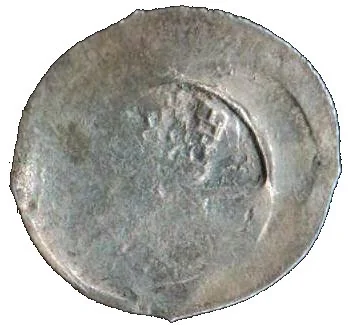
Obverse
Description:
Shahida inside the octagon.
Inscription:
"La Illaha Ila Allah va Muhammad Al Rasul Allah"
Translation:
There is no god but God, and Muhammad is the Messenger of God.
Language: Arabic
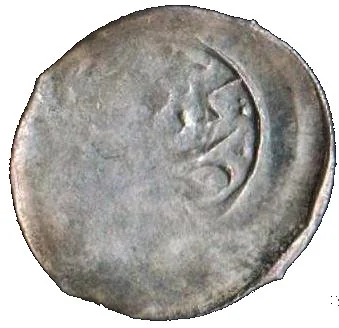
Reverse
Description:
Arabic script within an octagon.
Edge
Plain
Mintings
| Year | Mint Mark | Mintage | Quality | Collection |
|---|---|---|---|---|
| 1806 | — | — | ||
| 1807 | — | — | ||
| 1808 | — | — | ||
| 1811 | — | — | ||
| 1812 | — | — | ||
| 1813 | — | — | ||
| 1814 | — | — | ||
| 1815 | — | — | ||
| 1816 | — | — | ||
| 1817 | — | — |
Historical background
By 1806, the currency situation in the Sheki Khanate was one of severe instability and transition, directly tied to its collapsing political sovereignty. The khanate, like others in the Caucasus, traditionally operated on a monetary system influenced by its Persian suzerains, circulating silver abbasi and shahi coins from the Qajar mints alongside a variety of Russian, Ottoman, and even older Safavid coins. This created a complex and often unreliable monetary environment for local trade.
The core of the crisis in 1806 was political. Following the Russian Empire's formal annexation of the khanate in 1805, the authority of the last khan, Selim Khan, was effectively broken. The Russian military administration, under General Pavel Tsitsianov and his successors, began imposing its control. This political rupture severed Sheki from its traditional sources of currency in Persia and disrupted the existing economic order, without yet fully integrating it into the Russian monetary system. The result was a period of acute uncertainty, with the legitimacy and value of circulating coins in question.
Consequently, the year 1806 represents a brief but definitive interregnum in Sheki's monetary history. The old Persian-linked currency system was defunct, but the formal introduction of standardized Russian Imperial coinage (rubles and kopecks) into active circulation and administration was still in its earliest stages. In practice, this meant a scarcity of reliable specie, a reliance on barter for many local transactions, and a general economic paralysis that mirrored the khanate's final absorption into the Russian Empire, which was fully consolidated by the end of the decade.
The core of the crisis in 1806 was political. Following the Russian Empire's formal annexation of the khanate in 1805, the authority of the last khan, Selim Khan, was effectively broken. The Russian military administration, under General Pavel Tsitsianov and his successors, began imposing its control. This political rupture severed Sheki from its traditional sources of currency in Persia and disrupted the existing economic order, without yet fully integrating it into the Russian monetary system. The result was a period of acute uncertainty, with the legitimacy and value of circulating coins in question.
Consequently, the year 1806 represents a brief but definitive interregnum in Sheki's monetary history. The old Persian-linked currency system was defunct, but the formal introduction of standardized Russian Imperial coinage (rubles and kopecks) into active circulation and administration was still in its earliest stages. In practice, this meant a scarcity of reliable specie, a reliance on barter for many local transactions, and a general economic paralysis that mirrored the khanate's final absorption into the Russian Empire, which was fully consolidated by the end of the decade.

✨ Legendary