

¼ rial – Iran
Add to wishlist
Iran
Context
Material
References
KM: #
Numista: #57486
Value
Bullion value: $6.50
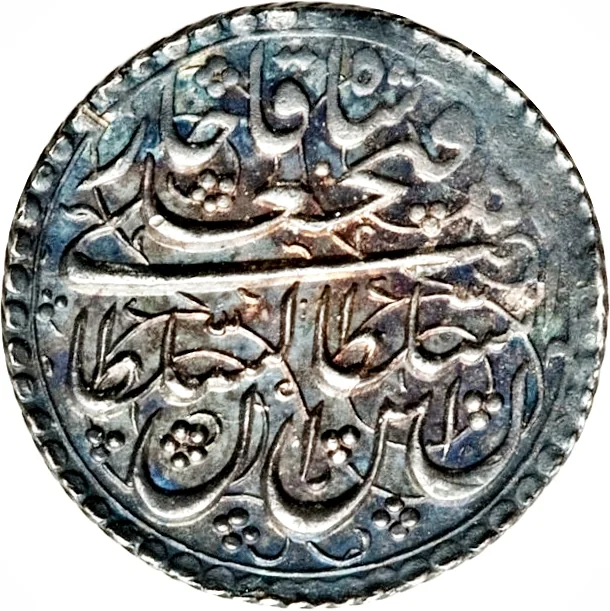
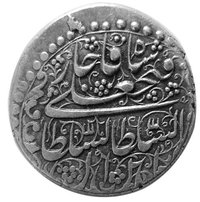
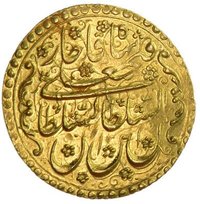
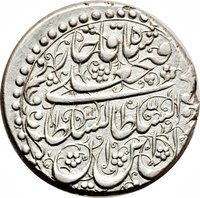
Obverse
Inscription:
السّلطان بن السّلطان
فتحعلی شاه قاجار
فتحعلی شاه قاجار
Translation:
The Sultan, son of the Sultan,
Fath-Ali Shah Qajar
Fath-Ali Shah Qajar
Language: Arabic
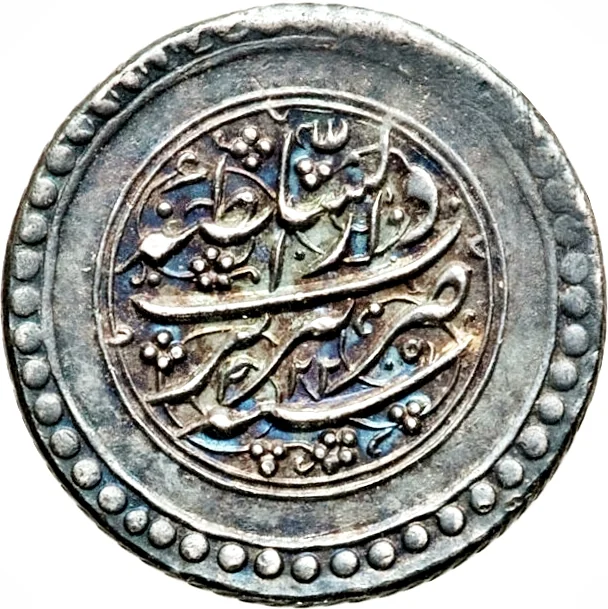
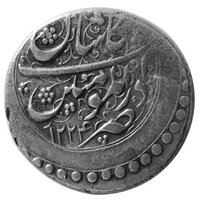
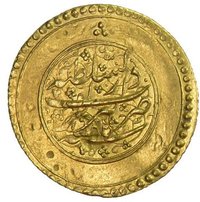
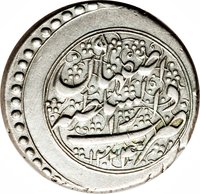
Reverse
Inscription:
ضرب دارالسّلطنۀ تبریز
سنه ۱۲۲۲
سنه ۱۲۲۲
Translation:
Struck in Dar al-Saltanah Tabriz
Year 1222
Year 1222
Language: Arabic
Edge
Plain
Mints
| Name | Mark |
|---|---|
| Tebriz | تبریز |
Mintings
| Year | Mint Mark | Mintage | Quality | Collection |
|---|---|---|---|---|
| 1809 | — | — | ||
| 1810 | — | — |
Historical background
In 1809, Iran's currency system was a complex and fragmented reflection of the country's political instability and economic decentralization. The Qajar dynasty, under Fath-Ali Shah, ruled a vast territory but exerted uneven control, with provincial khans and tribal leaders often operating with significant autonomy. This political reality was mirrored in the monetary system, which lacked a unified, national currency. Instead, the primary circulating medium was the silver qiran (also called kran), a small, irregularly minted coin whose weight and purity could vary considerably between different regional mints, leading to chronic confusion in trade.
The era was characterized by a severe shortage of specie (coined money), particularly high-quality silver. Decades of war, territorial losses, and isolation from major international trade routes had drained precious metals from the economy. To compensate, the state heavily debased the coinage, reducing the silver content in qirans to generate seigniorage revenue for the royal treasury and costly military campaigns, notably against Russia. This debasement, combined with the fluctuating value of copper pul coins used for small transactions, created rampant inflation and a profound lack of public confidence in the currency.
Furthermore, foreign currencies, especially the Spanish silver dollar (piece of eight) and the Russian ruble, circulated widely in port cities and border regions, often preferred for their reliable weight and fineness. This "currency substitution" highlighted the weakness of the domestic monetary system. The situation in 1809 was therefore one of monetary crisis: a weak central authority unable to impose standardization, a chronic shortage of sound metal, and an inflationary spiral fueled by debasement, all of which stifled commerce and underscored the broader economic challenges facing the Qajar state.
The era was characterized by a severe shortage of specie (coined money), particularly high-quality silver. Decades of war, territorial losses, and isolation from major international trade routes had drained precious metals from the economy. To compensate, the state heavily debased the coinage, reducing the silver content in qirans to generate seigniorage revenue for the royal treasury and costly military campaigns, notably against Russia. This debasement, combined with the fluctuating value of copper pul coins used for small transactions, created rampant inflation and a profound lack of public confidence in the currency.
Furthermore, foreign currencies, especially the Spanish silver dollar (piece of eight) and the Russian ruble, circulated widely in port cities and border regions, often preferred for their reliable weight and fineness. This "currency substitution" highlighted the weakness of the domestic monetary system. The situation in 1809 was therefore one of monetary crisis: a weak central authority unable to impose standardization, a chronic shortage of sound metal, and an inflationary spiral fueled by debasement, all of which stifled commerce and underscored the broader economic challenges facing the Qajar state.
✨ Legendary