

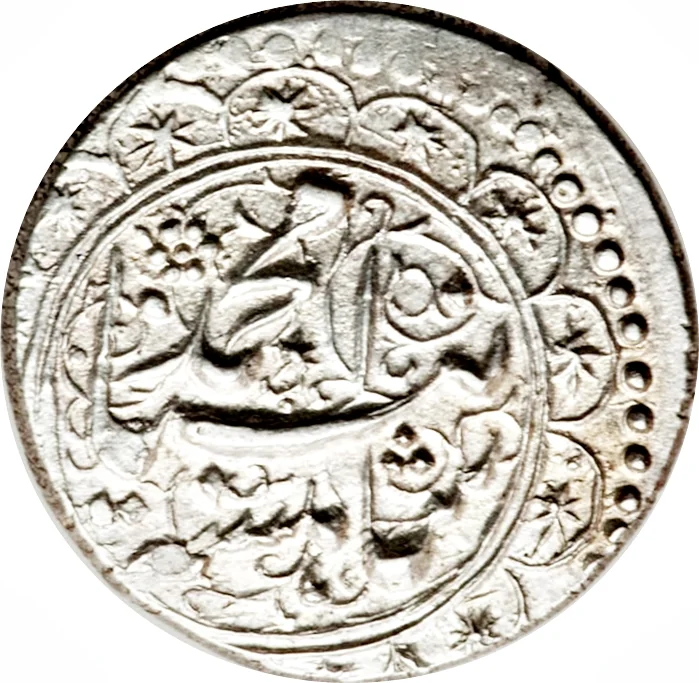
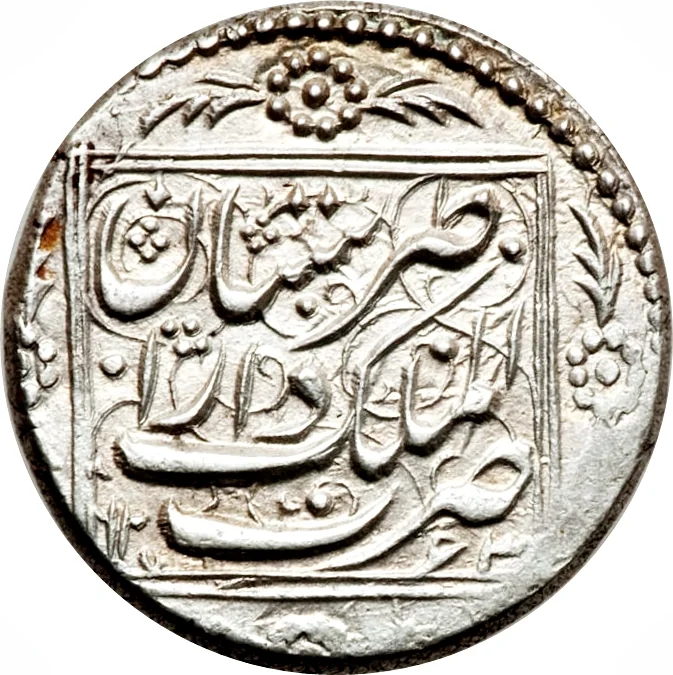
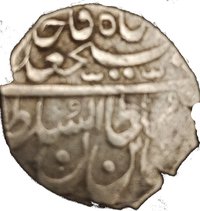
Obverse
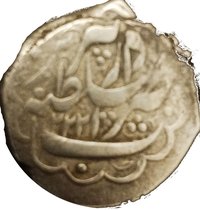
Reverse
Inscription:
ضرب دارالملک طبرستان
۱۲۶۳
۱۲۶۳
Translation:
Struck in the capital of Tabaristan
1263
1263
Language: Persian
Edge
Plain
Mintings
| Year | Mint Mark | Mintage | Quality | Collection |
|---|---|---|---|---|
| 1840 | — | — | ||
| 1841 | — | — | ||
| 1842 | — | — | ||
| 1843 | — | — | ||
| 1844 | — | — | ||
| 1845 | — | — | ||
| 1846 | — | — | ||
| 1847 | — | — | ||
| 1848 | — | — |
Historical background
In 1840, Iran’s monetary system was in a state of profound disorder and transition, characterized by a severe shortage of specie and a chaotic mix of debased coinage. The country operated on a bimetallic system of silver qirāns and gold tomans, but decades of weak central authority, war, and economic isolation had led to rampant counterfeiting and significant regional variations in coinage. Provincial governors and even private money-changers (ṣarrāfs) issued their own coins, leading to a bewildering multiplicity of currencies that crippled inter-regional trade and state finance. This fragmentation was a direct symptom of the Qajar dynasty’s struggle to exert financial control over the nation.
The crisis was exacerbated by external pressures and internal mismanagement. A series of costly wars with Russia, culminating in the treaties of Golestan (1813) and Turkmenchay (1828), had drained the treasury and imposed heavy indemnities, payable in silver. This led to a massive outflow of precious metals, particularly silver, creating a chronic shortage. Furthermore, the government’s response—repeatedly debasing the silver coinage by reducing its precious metal content—fueled inflation, eroded public trust, and further incentivized counterfeit operations. The result was a vicious cycle where the state’s attempts to raise short-term revenue only deepened the monetary anarchy.
Consequently, by 1840, the Iranian economy was hampered by a lack of a reliable standard of value. Trade, both domestic and foreign, relied heavily on cumbersome barter or unstable foreign currencies like the Russian ruble and British pound in major commercial centers. This monetary instability stifled economic development, complicated taxation, and weakened the central government. It was within this context that later reformers, most notably Prime Minister Amir Kabir in the 1850s, would recognize the urgent need for a centralized mint and uniform national currency as a cornerstone of modern state-building, setting the stage for future monetary reforms.
The crisis was exacerbated by external pressures and internal mismanagement. A series of costly wars with Russia, culminating in the treaties of Golestan (1813) and Turkmenchay (1828), had drained the treasury and imposed heavy indemnities, payable in silver. This led to a massive outflow of precious metals, particularly silver, creating a chronic shortage. Furthermore, the government’s response—repeatedly debasing the silver coinage by reducing its precious metal content—fueled inflation, eroded public trust, and further incentivized counterfeit operations. The result was a vicious cycle where the state’s attempts to raise short-term revenue only deepened the monetary anarchy.
Consequently, by 1840, the Iranian economy was hampered by a lack of a reliable standard of value. Trade, both domestic and foreign, relied heavily on cumbersome barter or unstable foreign currencies like the Russian ruble and British pound in major commercial centers. This monetary instability stifled economic development, complicated taxation, and weakened the central government. It was within this context that later reformers, most notably Prime Minister Amir Kabir in the 1850s, would recognize the urgent need for a centralized mint and uniform national currency as a cornerstone of modern state-building, setting the stage for future monetary reforms.
✨ Legendary