

Iran
Context
Year: 1847
Islamic (Hijri) Year: 1263
Issuer: Iran 
Ruler: Mohammad Shah
Currency:
(1825—1932)
Demonetized: Yes
References
KM: #Click to copy to clipboard800
Numista: #57441
Value
Bullion value: $23.95
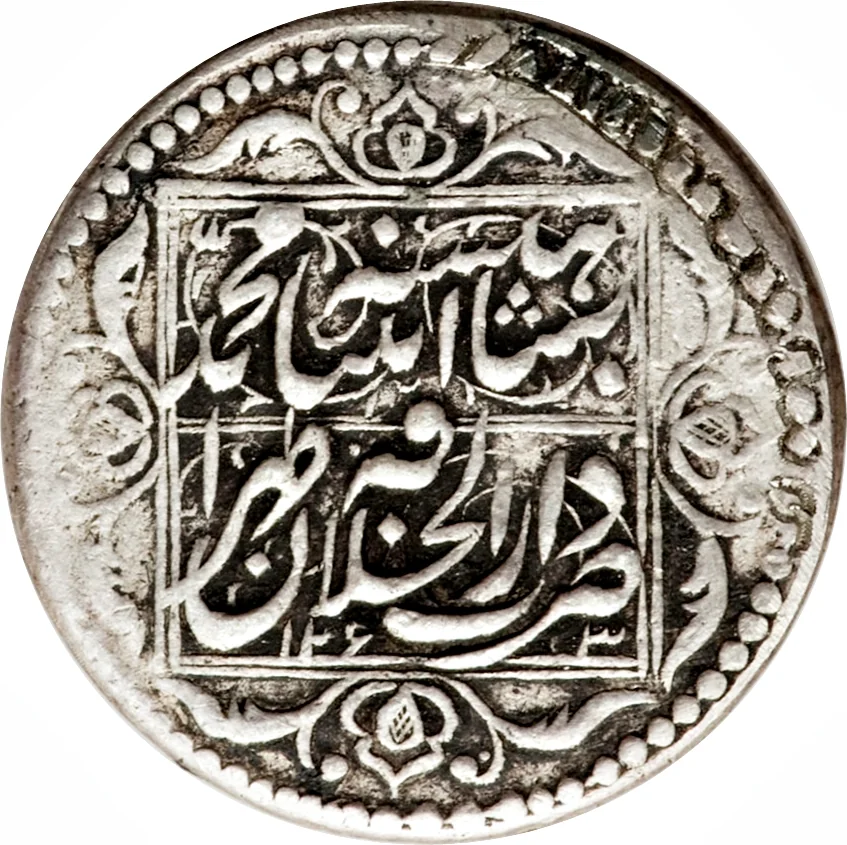
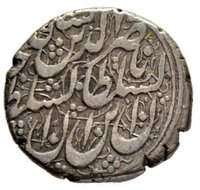
Obverse
Inscription:
شاهنشه انبیا محمّد
ضرب دارالخلافه طهران
۱۲۶۳
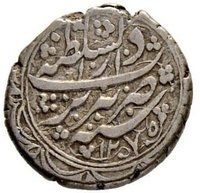
ضرب دارالخلافه طهران
۱۲۶۳
Translation:
King of Prophets Muhammad
Struck at the Abode of the Caliphate, Tehran
1263
Struck at the Abode of the Caliphate, Tehran
1263
Language: Persian
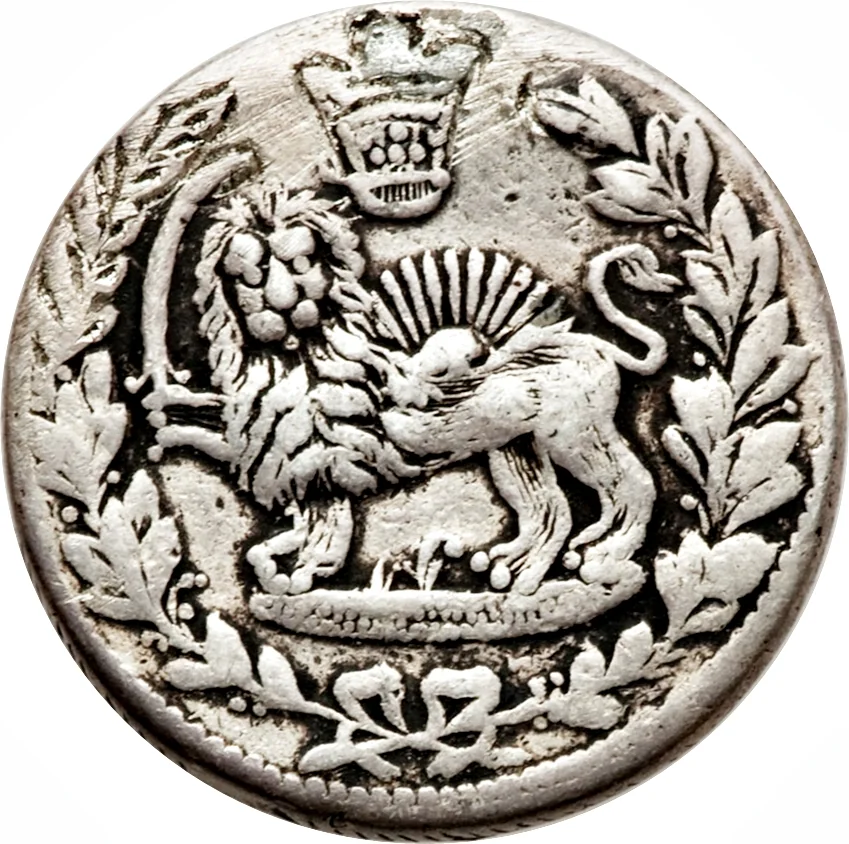
Reverse
Edge
Plain
Mintings
| Year | Mint Mark | Mintage | Quality | Collection |
|---|---|---|---|---|
| 1847 | — | — |
Historical background
In 1847, Iran's currency system was a complex and unstable reflection of the broader economic and political challenges facing the Qajar dynasty. The monetary landscape was characterized by a bewildering variety of coins in circulation, including silver qirans and copper shahis, minted not only by the central government in Tehran but also by provincial governors and even local khans. This lack of standardization, combined with the widespread practice of clipping and debasing coins, led to significant fluctuations in value and crippled domestic trade and taxation. The state treasury was chronically depleted due to military expenses, court extravagance, and a series of costly diplomatic missions, forcing the government to frequently reduce the silver content of new coinage to generate short-term revenue, further eroding public trust.
The situation was exacerbated by Iran's increasing integration into the global economy, particularly with the Russian Empire and Great Britain. A significant outflow of silver bullion to pay for imported manufactured goods created a persistent shortage of specie. This drain was not offset by substantial exports, as Iran's traditional silk and textile industries faced stiff competition. Consequently, the internal economy suffered from severe deflationary pressures at times, while the government's financial weakness made it impossible to implement a unified monetary reform. Foreign coins, especially the Russian ruble and British gold sovereigns, circulated in border regions and major trading cities, acting as a more trusted medium of exchange than the debased local currency.
Ultimately, the currency chaos of 1847 was a symptom of a weak central state unable to control its own economic space. It highlighted the technological and administrative gap between Iran and the European powers whose influence was growing. While major monetary reforms, such as the introduction of the toman as a gold-based unit of account and attempts at establishing a state bank, were still decades away, the pressures of this period laid bare the urgent need for modernization. The unstable currency directly hampered economic development, weakened the government's authority, and made Iran financially vulnerable to external pressures, setting the stage for the concessionary deals and foreign financial control that would mark the later 19th century.
The situation was exacerbated by Iran's increasing integration into the global economy, particularly with the Russian Empire and Great Britain. A significant outflow of silver bullion to pay for imported manufactured goods created a persistent shortage of specie. This drain was not offset by substantial exports, as Iran's traditional silk and textile industries faced stiff competition. Consequently, the internal economy suffered from severe deflationary pressures at times, while the government's financial weakness made it impossible to implement a unified monetary reform. Foreign coins, especially the Russian ruble and British gold sovereigns, circulated in border regions and major trading cities, acting as a more trusted medium of exchange than the debased local currency.
Ultimately, the currency chaos of 1847 was a symptom of a weak central state unable to control its own economic space. It highlighted the technological and administrative gap between Iran and the European powers whose influence was growing. While major monetary reforms, such as the introduction of the toman as a gold-based unit of account and attempts at establishing a state bank, were still decades away, the pressures of this period laid bare the urgent need for modernization. The unstable currency directly hampered economic development, weakened the government's authority, and made Iran financially vulnerable to external pressures, setting the stage for the concessionary deals and foreign financial control that would mark the later 19th century.
✨ Legendary