


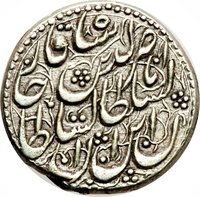
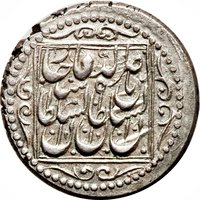
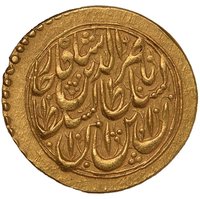
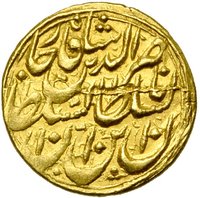
Obverse
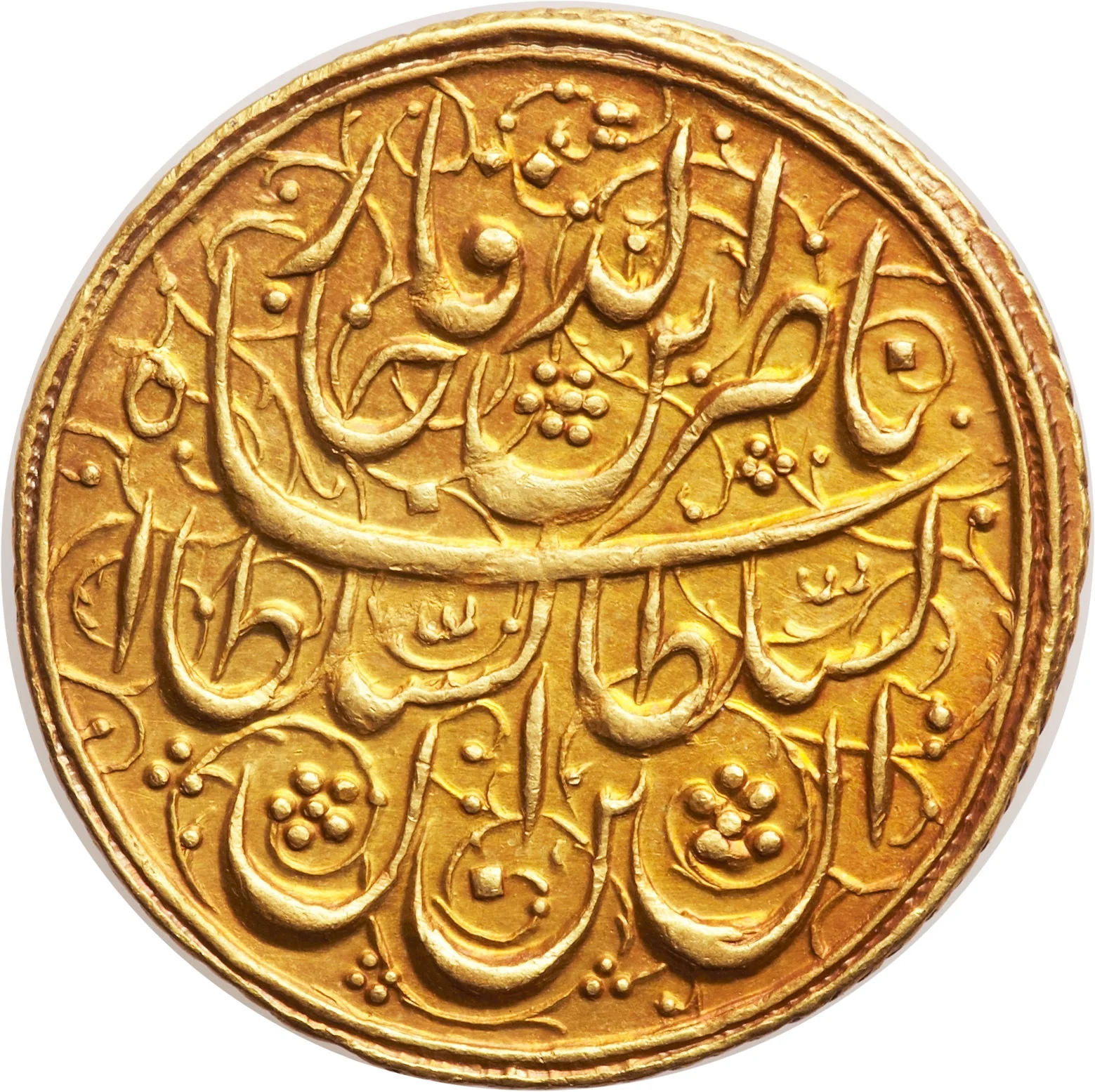
Inscription:
السّلطان ابن السّلطان ناصرالدين شاه قاجار
Translation:
The Sultan, son of the Sultan, Nasir al-Din Shah Qajar
Language: Arabic
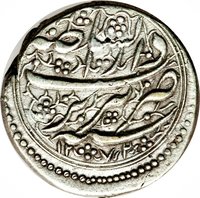
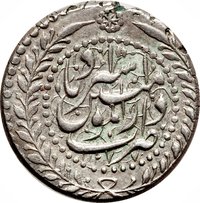
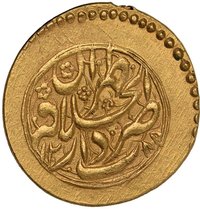
Reverse
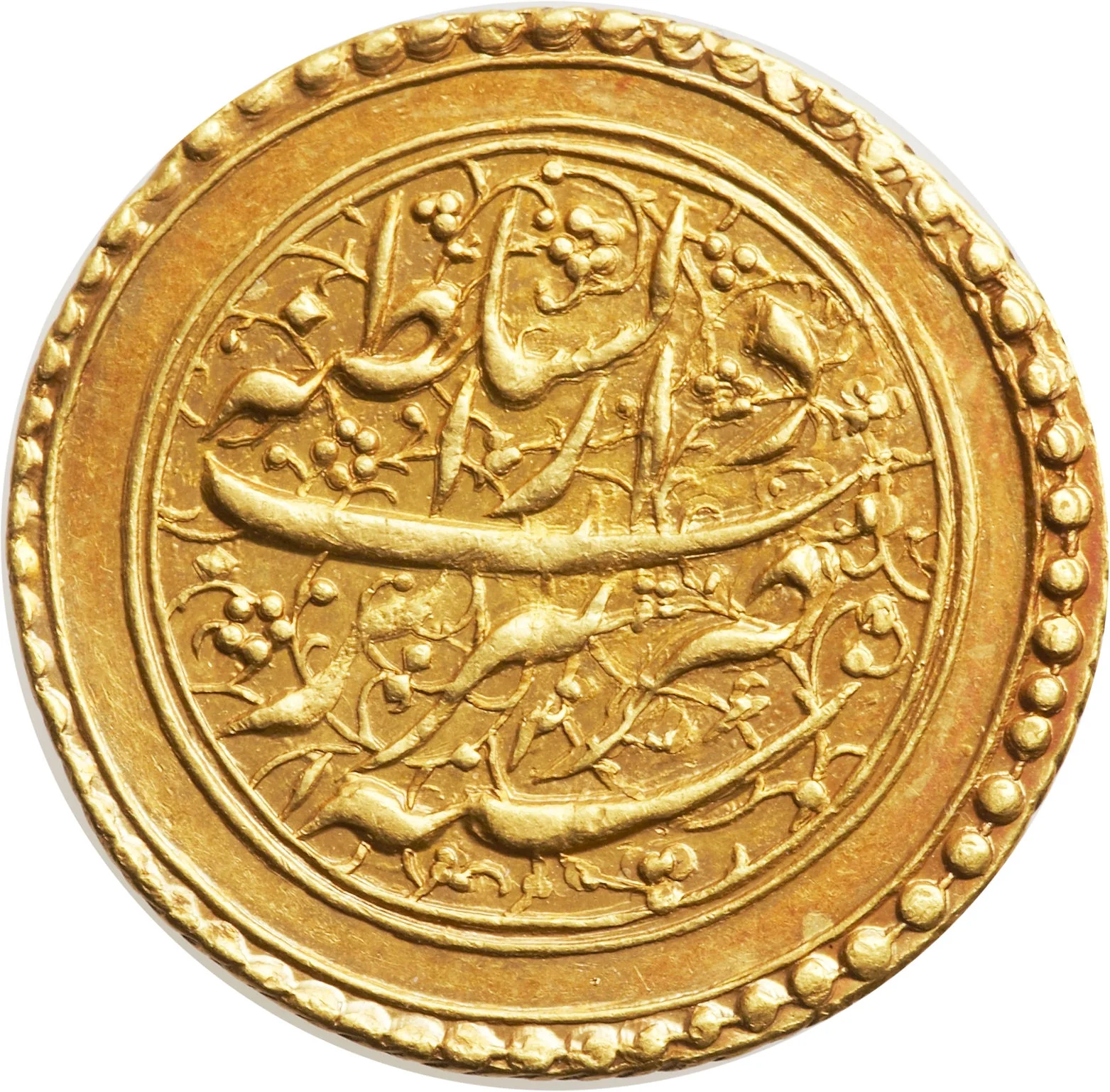
Description:
Minting year
Inscription:
ضرب دارالسلطنه تبريز
۱۲۶سنه ۵
۱۲۶سنه ۵
Translation:
Struck in the capital Tabriz, year 1265.
Language: Persian
Edge
Mints
| Name | Mark |
|---|---|
| Tebriz | تبریز |
Mintings
| Year | Mint Mark | Mintage | Quality | Collection |
|---|---|---|---|---|
| 1849 | — | — | ||
| 1852 | — | — | ||
| 1855 | — | — | ||
| 1856 | — | — | ||
| 1858 | — | — | ||
| 1861 | — | — | ||
| 1862 | — | — | ||
| 1864 | — | — | ||
| 1868 | — | — |
Historical background
In 1849, Iran's currency system was in a state of profound disarray, a legacy of earlier Qajar mismanagement and external pressures. The monetary landscape was a chaotic patchwork of domestic and foreign coins. Domestically, the principal silver coin was the qiran (later the rial), but its value and silver content were unstable due to repeated debasement by the government to finance court extravagance and military campaigns. These debased coins circulated alongside a multitude of older, full-weight silver coins from previous reigns, as well as various copper puls for small transactions, creating widespread confusion and loss of public trust.
This internal fragility was exacerbated by the influx of foreign currencies, particularly the Russian silver ruble and the British gold toman (a term also used for a unit of account), which began circulating widely due to growing European trade and political influence. These foreign coins, often of more reliable weight and purity, were preferred in commercial centers, further undermining the authority and utility of the state's own currency. The result was a dual system where large-scale trade and international dealings were conducted in stable foreign specie, while the debased local coinage plagued the domestic economy, leading to price inflation and market inefficiencies.
The situation was symptomatic of the broader weakness of the Qajar state, which lacked the centralized fiscal and minting authority to impose a uniform monetary standard. Efforts at reform were sporadic and ineffective in 1849, with the government of Naser al-Din Shah (who had ascended the throne in 1848) not yet implementing the more concerted, though ultimately still flawed, monetary reforms that would come later in his reign. Consequently, the year represents a point of continued monetary crisis, characterized by fragmentation, devaluation, and the creeping financial dominance of foreign powers, which corroded both economic sovereignty and everyday commerce.
This internal fragility was exacerbated by the influx of foreign currencies, particularly the Russian silver ruble and the British gold toman (a term also used for a unit of account), which began circulating widely due to growing European trade and political influence. These foreign coins, often of more reliable weight and purity, were preferred in commercial centers, further undermining the authority and utility of the state's own currency. The result was a dual system where large-scale trade and international dealings were conducted in stable foreign specie, while the debased local coinage plagued the domestic economy, leading to price inflation and market inefficiencies.
The situation was symptomatic of the broader weakness of the Qajar state, which lacked the centralized fiscal and minting authority to impose a uniform monetary standard. Efforts at reform were sporadic and ineffective in 1849, with the government of Naser al-Din Shah (who had ascended the throne in 1848) not yet implementing the more concerted, though ultimately still flawed, monetary reforms that would come later in his reign. Consequently, the year represents a point of continued monetary crisis, characterized by fragmentation, devaluation, and the creeping financial dominance of foreign powers, which corroded both economic sovereignty and everyday commerce.
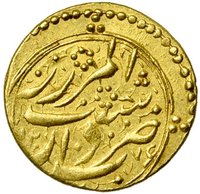
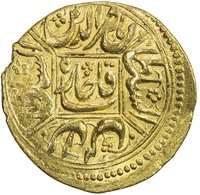
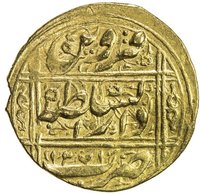
Series: 1849 Iran circulation coins
✨ Legendary