

Iran
Context
Material
References
KM: #Click to copy to clipboard824.3
Numista: #57429
Value
Bullion value: $14.46
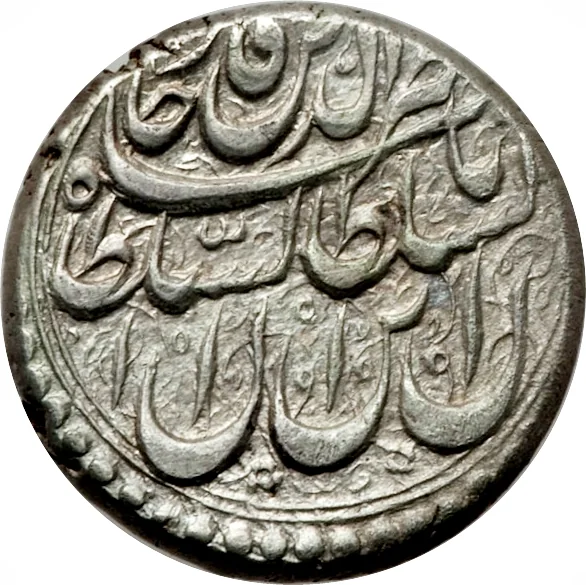
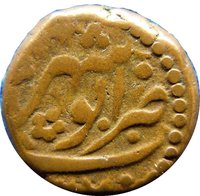
Obverse
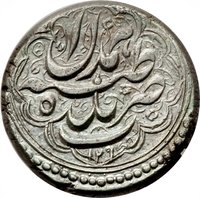
Inscription:
السلطان ابن السّلطان
ناصرالدین شاه قاجار
ناصرالدین شاه قاجار
Translation:
The Sultan, son of the Sultan
Nasir al-Din Shah Qajar
Nasir al-Din Shah Qajar
Language: Arabic
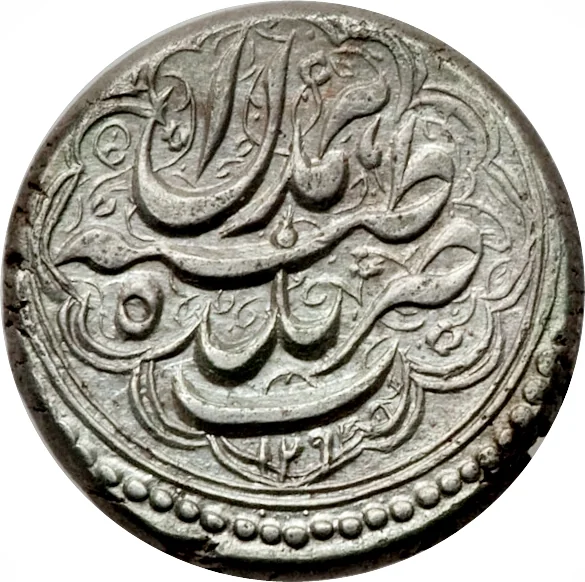
Reverse
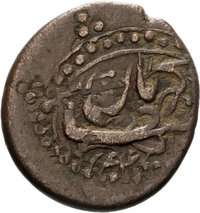
Inscription:
ضرب بلده طیــــبه همدان
Translation:
Struck in the wholesome city of Hamadan
Language: Arabic
Edge
Plain
Mintings
| Year | Mint Mark | Mintage | Quality | Collection |
|---|---|---|---|---|
| 1852 | — | — | ||
| 1855 | — | — | ||
| 1856 | — | — | ||
| 1857 | — | — | ||
| 1858 | — | — | ||
| 1859 | — | — | ||
| 1860 | — | — | ||
| 1861 | — | — | ||
| 1862 | — | — | ||
| 1863 | — | — | ||
| 1864 | — | — | ||
| 1865 | — | — | ||
| 1866 | — | — | ||
| 1868 | — | — | ||
| 1869 | — | — | ||
| 1870 | — | — | ||
| 1870 | — | — | ||
| 1871 | — | — | ||
| 1872 | — | — | ||
| 1873 | — | — | ||
| 1875 | — | — | ||
| 1876 | — | — | ||
| 1877 | — | — |
Historical background
In 1852, Iran's currency system was a complex and fragmented reflection of its pre-modern economy and political instability. The primary unit was the silver qiran (also spelled kran), but its value and physical composition were highly inconsistent due to decentralized minting across various provincial capitals. These coins were often debased, with their actual silver content varying significantly, leading to widespread distrust in the currency. Alongside the silver qiran, copper shahis and dinars were used for small, everyday transactions, while gold tomans (worth 10 qirans) served as a unit of account for larger trade and state finances, though they were rarely minted as circulating coins.
This monetary disorder was exacerbated by severe economic pressures. The state treasury was depleted following military defeats in the Russo-Persian Wars earlier in the century, which had resulted in heavy indemnities payable in silver. Furthermore, the reign of Naser al-Din Shah (who ascended the throne in 1848) was still consolidating power after suppressing the Babi revolt, and the government struggled to control its finances. The scarcity of precious metals, coupled with a chronic trade deficit, led to frequent shortages of specie (coin), causing inflation and hardship for the common population, whose copper currency often depreciated rapidly against the theoretical silver standard.
Consequently, foreign currencies, particularly the Russian silver ruble and the British gold sovereign, circulated widely in major commercial centers like Tabriz and Bushehr, often preferred for their reliability in regional and international trade. This de facto currency competition highlighted the weakness of the central government's monetary authority. The situation in 1852 thus represented a system in crisis—decentralized, unstable, and increasingly penetrated by foreign economic influence, setting the stage for later, albeit initially unsuccessful, attempts at monetary reform later in Naser al-Din Shah's reign.
This monetary disorder was exacerbated by severe economic pressures. The state treasury was depleted following military defeats in the Russo-Persian Wars earlier in the century, which had resulted in heavy indemnities payable in silver. Furthermore, the reign of Naser al-Din Shah (who ascended the throne in 1848) was still consolidating power after suppressing the Babi revolt, and the government struggled to control its finances. The scarcity of precious metals, coupled with a chronic trade deficit, led to frequent shortages of specie (coin), causing inflation and hardship for the common population, whose copper currency often depreciated rapidly against the theoretical silver standard.
Consequently, foreign currencies, particularly the Russian silver ruble and the British gold sovereign, circulated widely in major commercial centers like Tabriz and Bushehr, often preferred for their reliability in regional and international trade. This de facto currency competition highlighted the weakness of the central government's monetary authority. The situation in 1852 thus represented a system in crisis—decentralized, unstable, and increasingly penetrated by foreign economic influence, setting the stage for later, albeit initially unsuccessful, attempts at monetary reform later in Naser al-Din Shah's reign.
✨ Legendary