

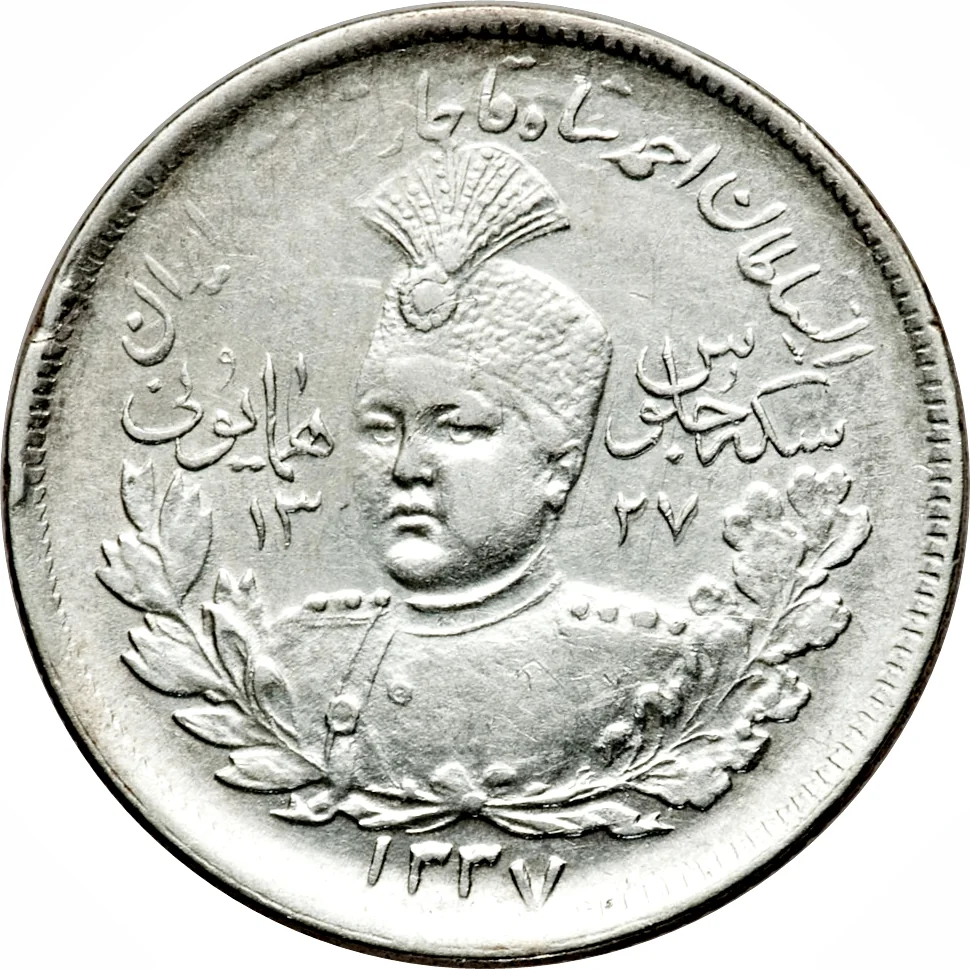
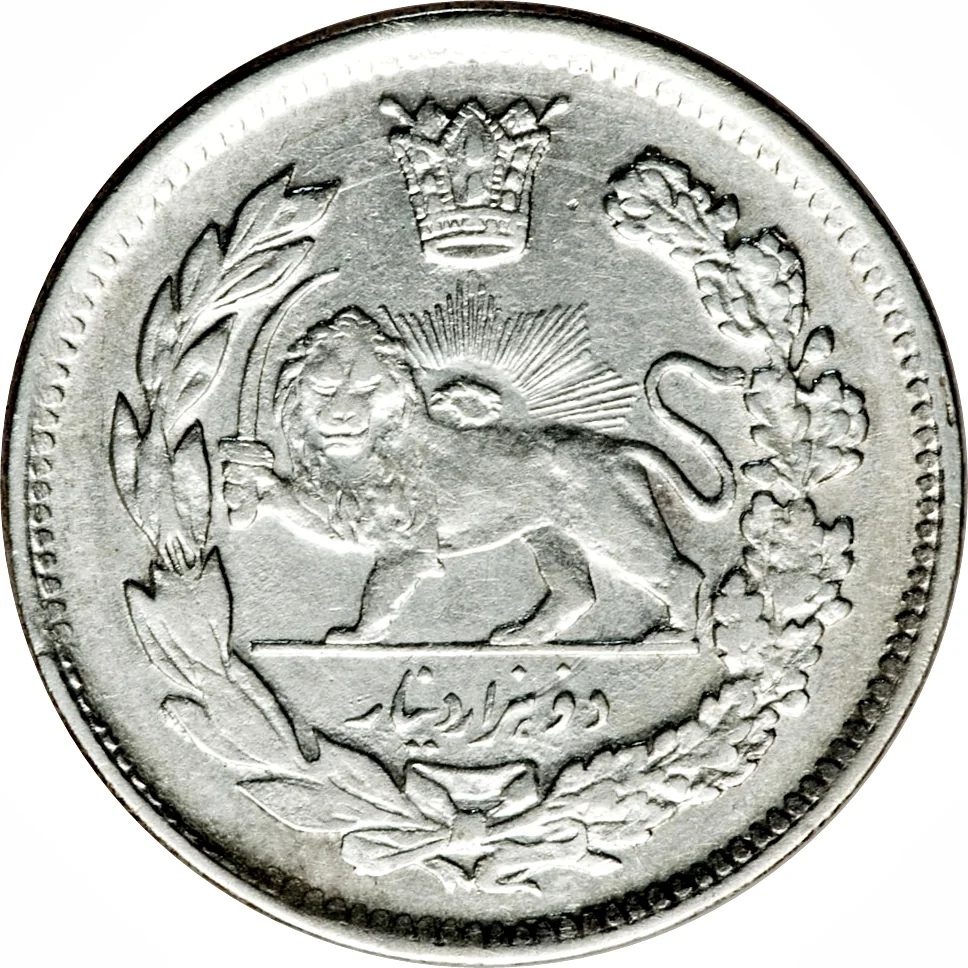
2000 dinars (Accession of Ahmad Shāh) – Iran
Add to wishlist
Circulating commemorative coins
Commemoration: 10th Anniversary of the Accession of Ahmad Shāh
Iran
Context
Year: 1919
Islamic (Hijri) Year:: 1337
Issuer: Iran
Ruler: Ahmad Shah
Currency:
(1825—1932)
Demonetized: Yes
Material
References
KM: #
Numista: #57389
Value
Bullion value: $20.14
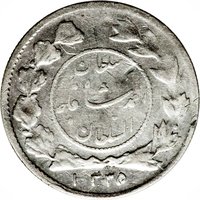
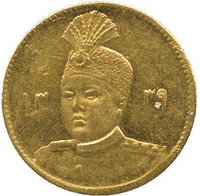
Obverse
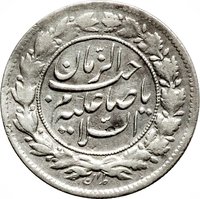
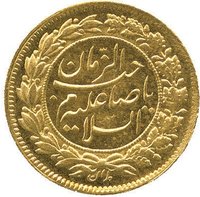
Reverse
Edge
Reeded
Mintings
| Year | Mint Mark | Mintage | Quality | Collection |
|---|---|---|---|---|
| 1919 | — | — |
Historical background
In 1919, Iran’s currency system was in a state of profound disarray and vulnerability, a direct legacy of the late Qajar era and the immense pressures of World War I. The country operated on a bimetallic system based on the kran (silver) and toman (a gold unit of account), but the actual coinage in circulation was chaotic. Decades of fiscal mismanagement by the Qajar monarchy had led to severe debasement of coinage, with vast quantities of depreciated copper coins (pul) flooding the market alongside a shrinking supply of full-weight silver coins. This created a complex and unstable multi-tiered currency system where the value of coins depended heavily on their metal content and date of minting, causing confusion and hindering trade.
The situation was critically exacerbated by the war. Iran, though officially neutral, became a battleground for Ottoman, Russian, and British forces, leading to military occupation, economic exploitation, and the collapse of central authority. To finance their operations, these foreign troops, particularly the British in the south and the Russians in the north, introduced their own currencies (Indian rupees and Russian rubles) which circulated unchecked, further fragmenting the monetary landscape. Most devastatingly, the war prompted the government to print unbacked paper money (banknotes) for the first time since 1890 to cover its deficits. This emergency issue, lacking public trust and solid reserves, rapidly depreciated, fueling hyperinflation and a complete loss of confidence in paper currency by 1919.
Consequently, by the year's end, Iran's monetary system was characterized by a crippling lack of standardization, rampant inflation, and competing foreign currencies undermining national sovereignty. This financial crisis was a central concern during the negotiations of the controversial 1919 Anglo-Persian Agreement, which promised British assistance in reforming Iran's finances—a clause critics saw as a tool for imperial control. The currency chaos thus symbolized both the weakness of the Iranian state and a key battleground for its political and economic independence in the postwar era, setting the stage for the monetary reforms that would later be implemented under Reza Shah Pahlavi in the 1920s.
The situation was critically exacerbated by the war. Iran, though officially neutral, became a battleground for Ottoman, Russian, and British forces, leading to military occupation, economic exploitation, and the collapse of central authority. To finance their operations, these foreign troops, particularly the British in the south and the Russians in the north, introduced their own currencies (Indian rupees and Russian rubles) which circulated unchecked, further fragmenting the monetary landscape. Most devastatingly, the war prompted the government to print unbacked paper money (banknotes) for the first time since 1890 to cover its deficits. This emergency issue, lacking public trust and solid reserves, rapidly depreciated, fueling hyperinflation and a complete loss of confidence in paper currency by 1919.
Consequently, by the year's end, Iran's monetary system was characterized by a crippling lack of standardization, rampant inflation, and competing foreign currencies undermining national sovereignty. This financial crisis was a central concern during the negotiations of the controversial 1919 Anglo-Persian Agreement, which promised British assistance in reforming Iran's finances—a clause critics saw as a tool for imperial control. The currency chaos thus symbolized both the weakness of the Iranian state and a key battleground for its political and economic independence in the postwar era, setting the stage for the monetary reforms that would later be implemented under Reza Shah Pahlavi in the 1920s.
💎 Extremely Rare