

500 dinars – Iran
Add to wishlist
Iran
Context
Year: 1914
Islamic (Hijri) Year:: 1332
Issuer: Iran
Ruler: Ahmad Shah
Currency:
(1825—1932)
Demonetized: Yes
Material
References
KM: #
Numista: #57388
Value
Bullion value: $5.06
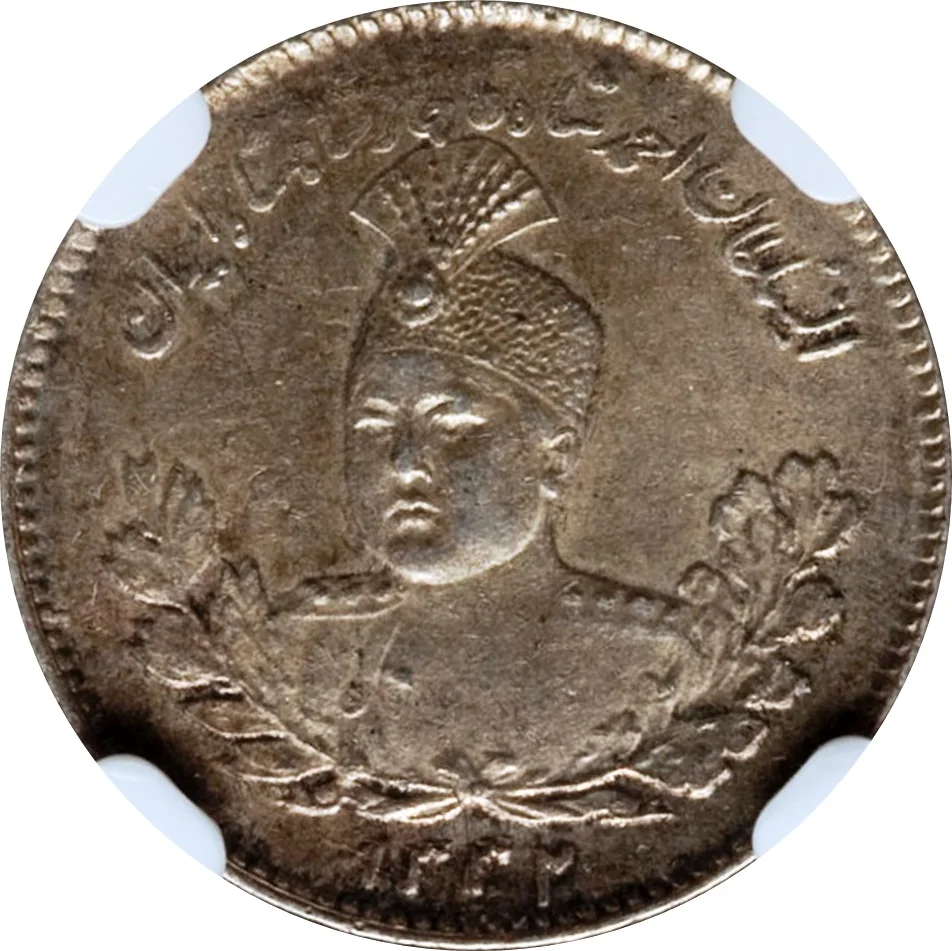
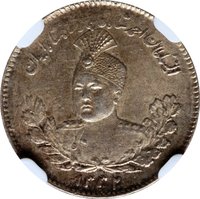
Obverse
Description:
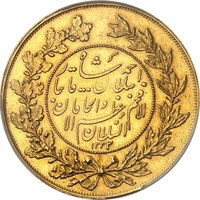
Uniform bust left in wreath, date beneath.
Inscription:
١٣٣٢
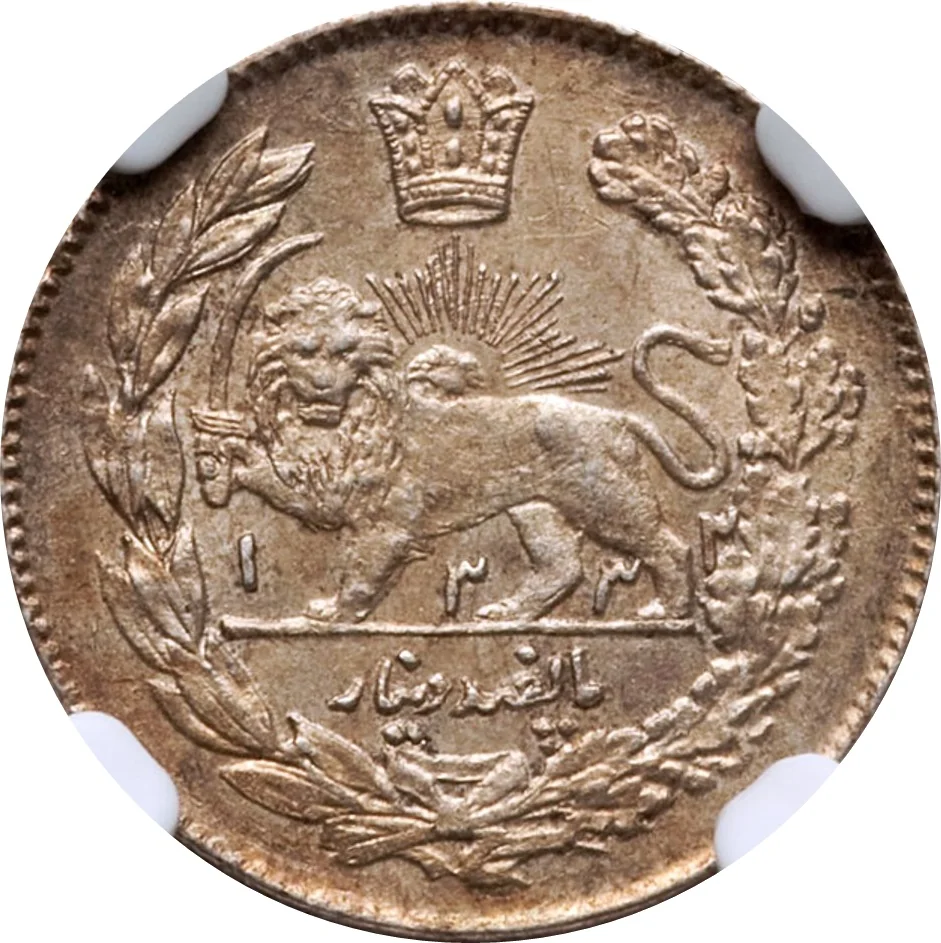
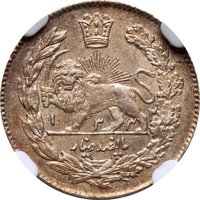
Reverse
Description:
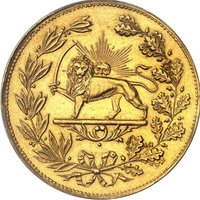
Crowned lion with sword in radiant wreath.
Inscription:
۱۳۳۲
پانصد دینار
پانصد دینار
Translation:
Five Hundred Dinars
1332
1332
Language: Persian
Edge
Mintings
| Year | Mint Mark | Mintage | Quality | Collection |
|---|---|---|---|---|
| 1914 | — | — |
Historical background
In 1914, Iran’s currency system was in a state of profound disarray and transition, a legacy of centuries of debasement and foreign intervention. The primary circulating coins were the silver kran and the gold toman (equal to 10 krans), but their value was unstable due to the government’s chronic budget deficits. To finance its spending, the Qajar state routinely reduced the silver content of newly minted coins, leading to a chaotic circulation of coins of varying intrinsic values from different mints and eras. This practice eroded public trust and created a complex system where coins were often valued by weight and assay rather than face value.
Complicating this picture was the significant influence of foreign powers, particularly Russia and Great Britain, whose economic spheres of interest dominated the country. The Imperial Bank of Persia (British) and the Banque d'Escompte de Perse (Russian) held exclusive rights to issue banknotes, but these notes saw limited public acceptance and circulated alongside a plethora of private and regional promissory notes. Crucially, both foreign banks maintained substantial reserves in their own home currencies (sterling and rubles), further drawing Iran into the international monetary systems of the rival empires and diminishing Tehran’s control over its own money supply.
On the eve of World War I, this fragile system faced imminent crisis. The global shift away from the silver standard had severely depressed the value of silver, the basis of Iran’s currency, causing massive inflation and a damaging outflow of the already scarce gold coin. The government’s attempt to establish a unified national currency via the proposed Persian Monetary Bank had stalled due to political instability and a lack of capital. Consequently, as war erupted in 1914, Iran entered the conflict with a fractured, multi-currency economy, lacking a central bank or unified monetary authority, leaving it acutely vulnerable to the severe economic dislocations and foreign occupations that would follow.
Complicating this picture was the significant influence of foreign powers, particularly Russia and Great Britain, whose economic spheres of interest dominated the country. The Imperial Bank of Persia (British) and the Banque d'Escompte de Perse (Russian) held exclusive rights to issue banknotes, but these notes saw limited public acceptance and circulated alongside a plethora of private and regional promissory notes. Crucially, both foreign banks maintained substantial reserves in their own home currencies (sterling and rubles), further drawing Iran into the international monetary systems of the rival empires and diminishing Tehran’s control over its own money supply.
On the eve of World War I, this fragile system faced imminent crisis. The global shift away from the silver standard had severely depressed the value of silver, the basis of Iran’s currency, causing massive inflation and a damaging outflow of the already scarce gold coin. The government’s attempt to establish a unified national currency via the proposed Persian Monetary Bank had stalled due to political instability and a lack of capital. Consequently, as war erupted in 1914, Iran entered the conflict with a fractured, multi-currency economy, lacking a central bank or unified monetary authority, leaving it acutely vulnerable to the severe economic dislocations and foreign occupations that would follow.
Series: 1914 Iran circulation coins
✨ Legendary