

1 cent – Tuvalu
Add to wishlist
Tuvalu
Context
Material
References
KM: #
Numista: #5726
Value
Exchange value: 0.01 AUD
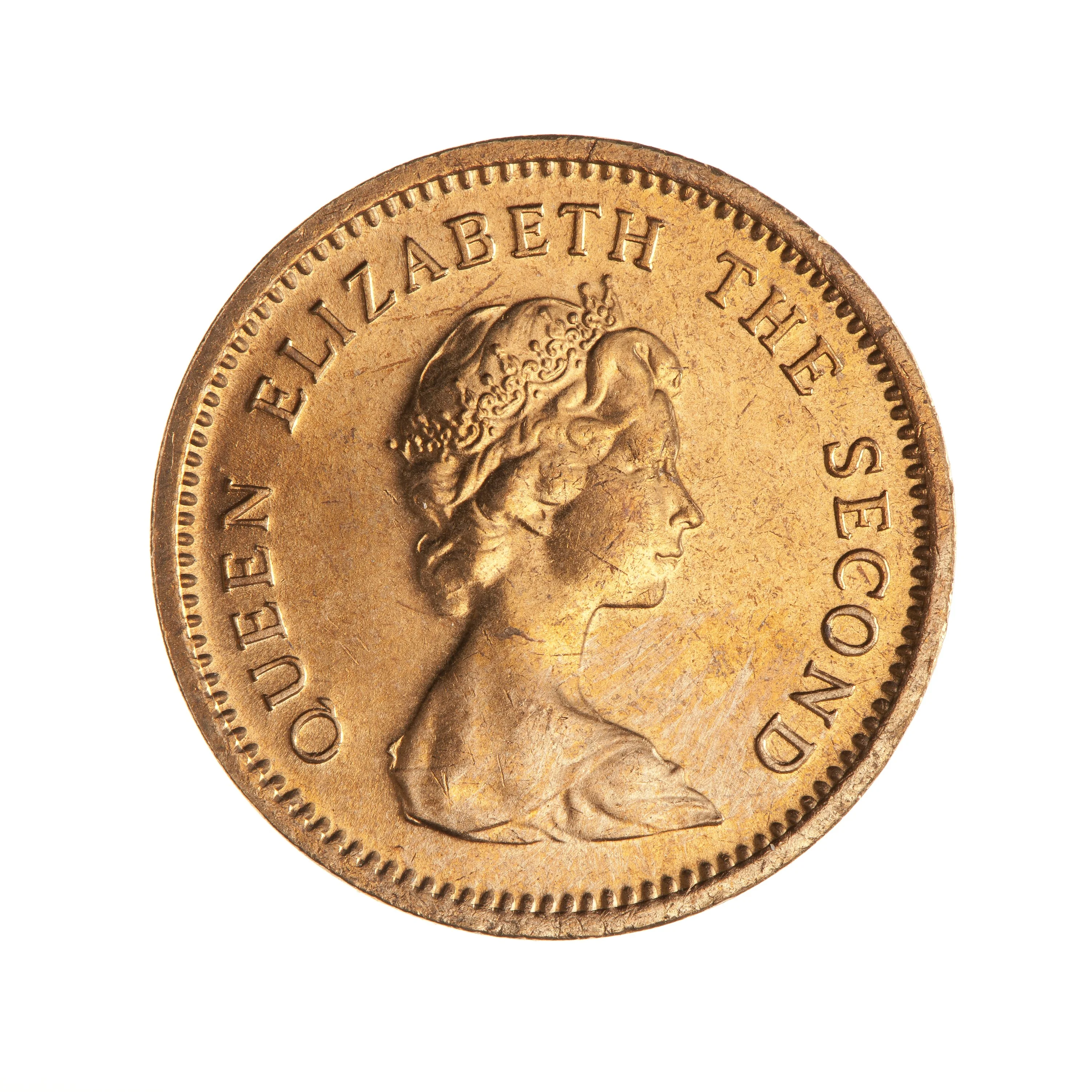
Obverse
Description:
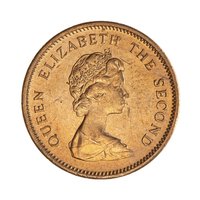
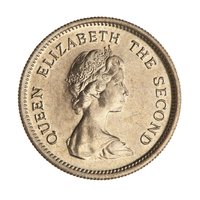
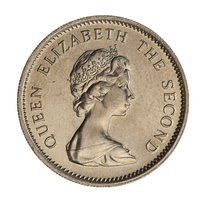
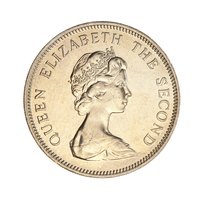
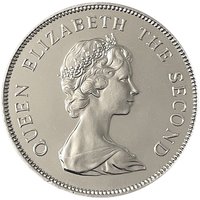
Young Queen Elizabeth II in profile.
Inscription:
QUEEN ELIZABETH THE SECOND
Script: Latin
Engraver: Arnold Machin
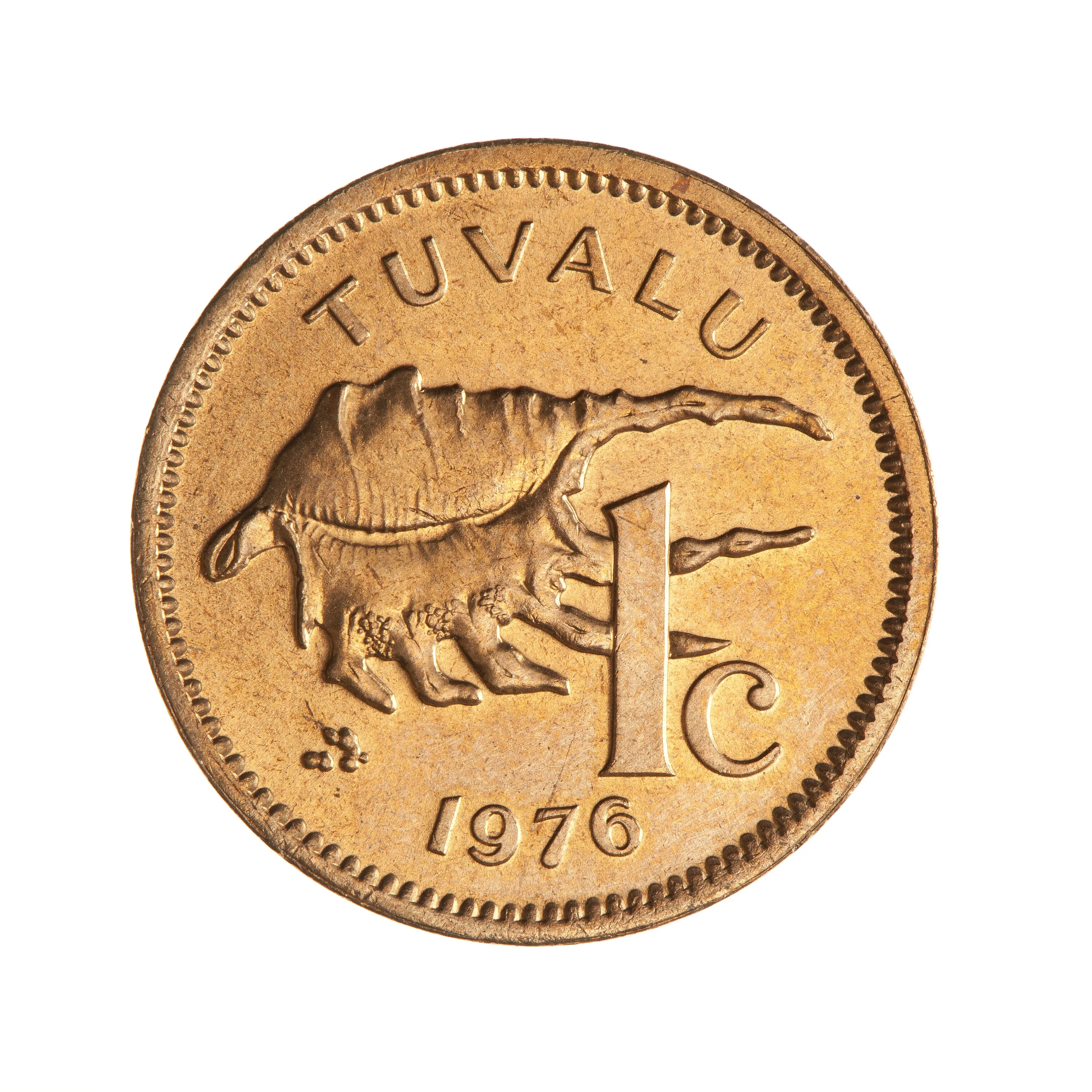
Reverse
Description:
Lambis shell, valuable.
Inscription:
TUVALU
1c
1985
1c
1985
Script: Latin
Engraver: Avril Vaughan
Designer: John Donald
Edge
Plain
Mints
| Name | Mark |
|---|---|
| Royal Mint | — |
Mintings
| Year | Mint Mark | Mintage | Quality | Collection |
|---|---|---|---|---|
| 1976 | — | 93,000 | ||
| 1976 | — | 20,000 | Proof | |
| 1981 | — | — | Proof | |
| 1981 | — | — | ||
| 1985 | — | — |
Historical background
In 1976, Tuvalu was on the cusp of a major political and monetary transition. As part of the British Gilbert and Ellice Islands Colony, it used the Australian dollar as its official currency, a system established in 1966. This arrangement reflected Australia's dominant economic influence in the region and provided Tuvalu with a stable and internationally convertible currency, which was crucial for its limited trade and administrative functions. However, the political landscape was shifting dramatically following a 1974 referendum, which set the Ellice Islands (Tuvalu) on a path to separate from the Gilbert Islands (Kiribati).
The currency situation in 1976 was inherently linked to this separation process. While the Australian dollar remained in daily use, authorities were planning for the future independent state. A key decision was whether to continue using the Australian dollar, adopt another currency, or issue a national one. Given Tuvalu's tiny, aid-dependent economy and lack of a central bank, maintaining a stable and manageable monetary system was paramount. The practicality and cost-effectiveness of continuing with the Australian dollar made it the clear frontrunner for the post-independence period.
Consequently, 1976 was a year of monetary continuity within a framework of impending political change. The Australian dollar served as the reliable medium of exchange, even as the administration prepared for self-governance (granted in 1978) and full independence (achieved in 1979). The groundwork was laid for the formal agreement that would eventually be cemented: upon independence, Tuvalu would adopt the Tuvaluan dollar, which is not an independent currency but a local issue of coinage that remains at par and interchangeable with the Australian dollar, a system that persists to this day.
The currency situation in 1976 was inherently linked to this separation process. While the Australian dollar remained in daily use, authorities were planning for the future independent state. A key decision was whether to continue using the Australian dollar, adopt another currency, or issue a national one. Given Tuvalu's tiny, aid-dependent economy and lack of a central bank, maintaining a stable and manageable monetary system was paramount. The practicality and cost-effectiveness of continuing with the Australian dollar made it the clear frontrunner for the post-independence period.
Consequently, 1976 was a year of monetary continuity within a framework of impending political change. The Australian dollar served as the reliable medium of exchange, even as the administration prepared for self-governance (granted in 1978) and full independence (achieved in 1979). The groundwork was laid for the formal agreement that would eventually be cemented: upon independence, Tuvalu would adopt the Tuvaluan dollar, which is not an independent currency but a local issue of coinage that remains at par and interchangeable with the Australian dollar, a system that persists to this day.
Series: 1976 Tuvalu circulation coins
🌱 Common