

1 penny – British West Africa
Add to wishlist
Context
Years: 1956–1958
Country: Western African States
Issuer: British West Africa
Ruler: Elizabeth II
Currency:
(1907—1968)
Demonetized: Yes
Total mintage: 59,143,000
Material
References
KM: #
Numista: #11059
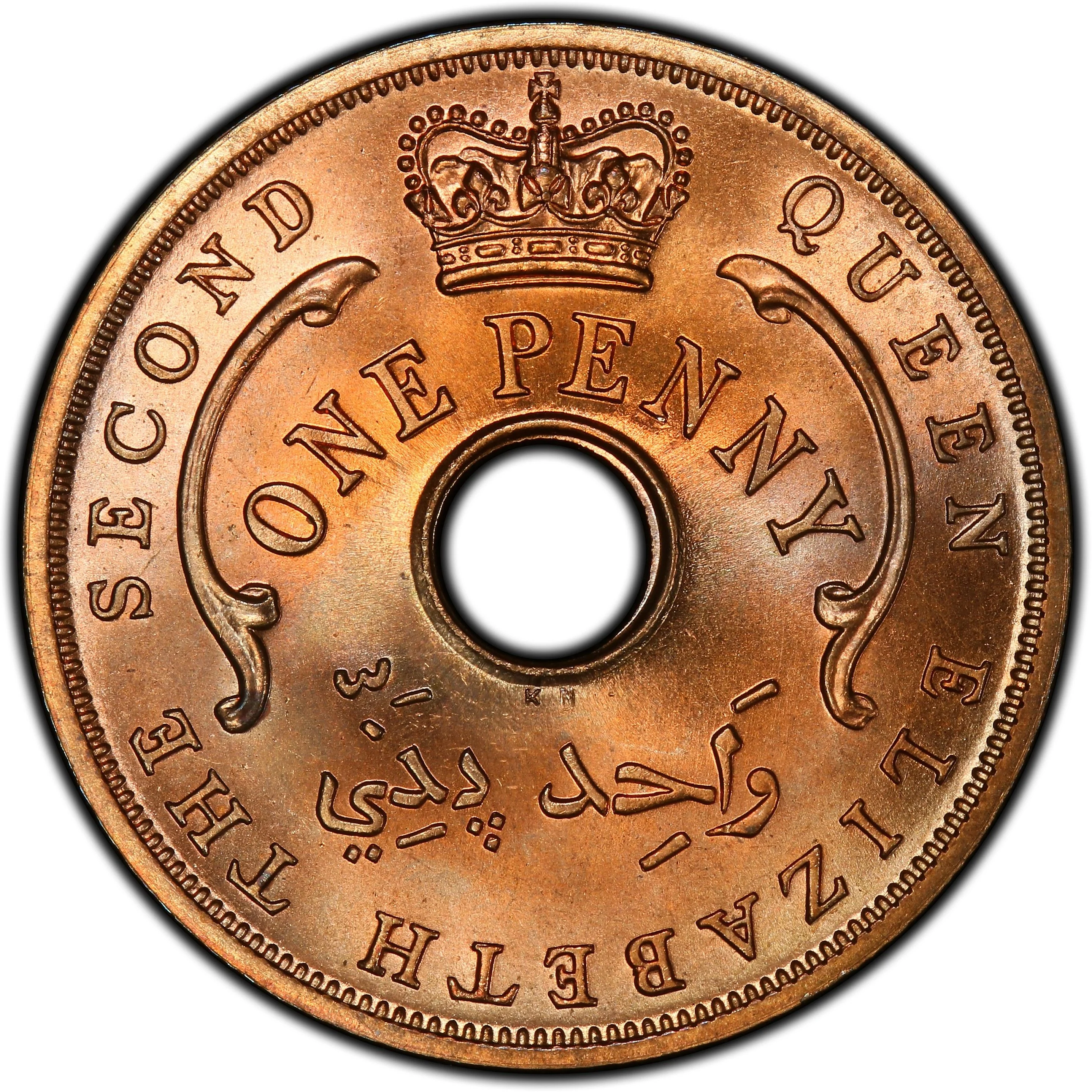
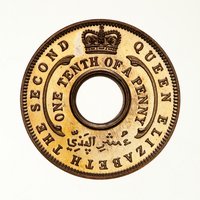
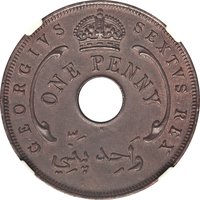
Obverse
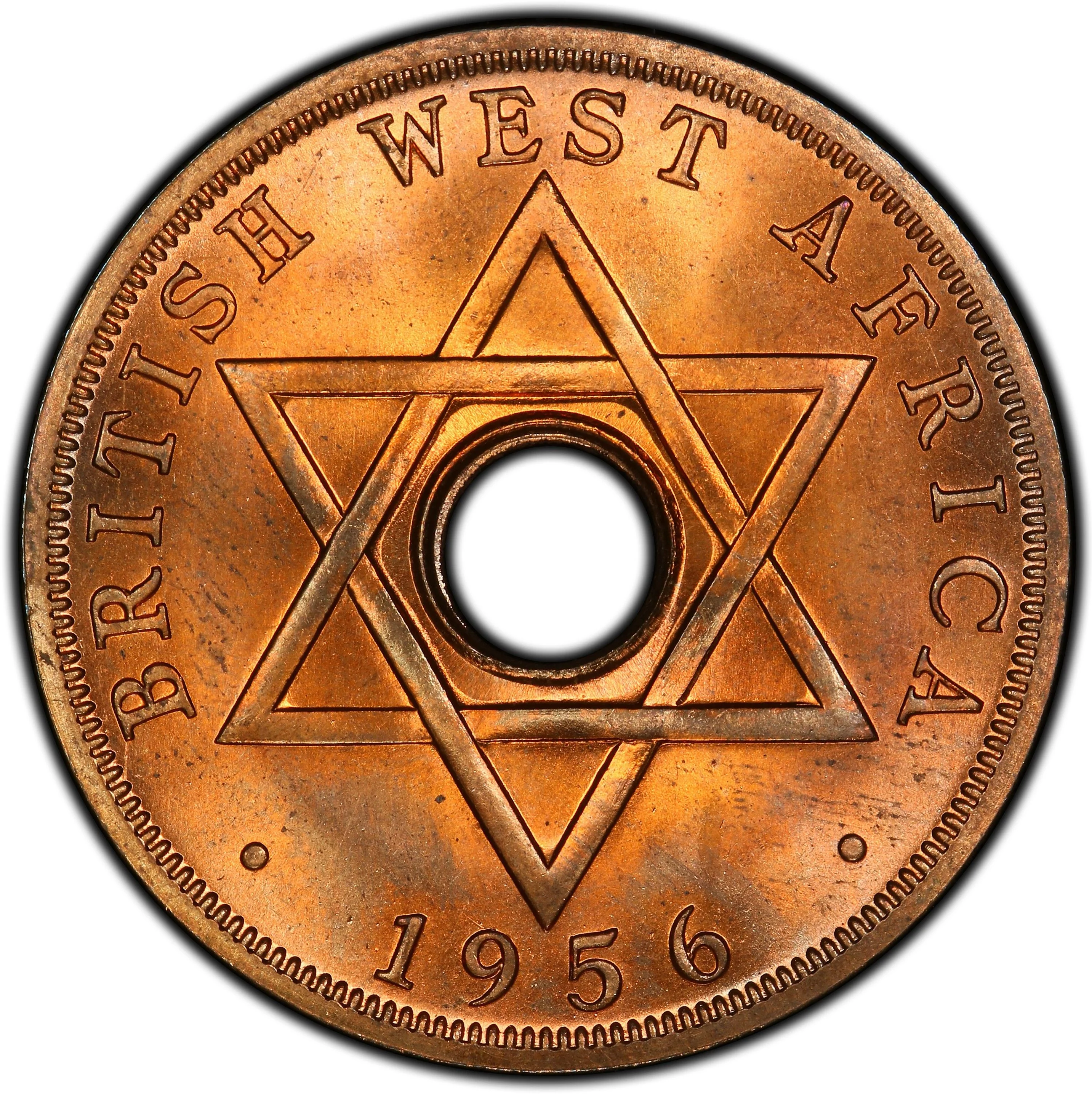
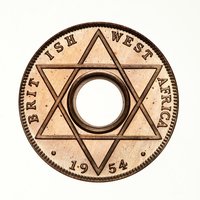
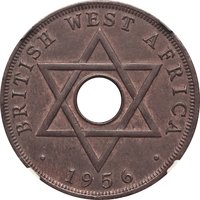
Reverse
Edge
Mints
| Name | Mark |
|---|---|
| Royal Mint (Tower Hill) | — |
| Heaton and Sons / The Mint Birmingham | H |
| Kings Norton Metal Company | KN |
Mintings
Historical background
By 1956, the currency situation in British West Africa was defined by the operations of the West African Currency Board (WACB), established in 1912. This system ensured full convertibility with British sterling, providing monetary stability but offering little local control. The region—Nigeria, the Gold Coast (Ghana), Sierra Leone, and The Gambia—used a common currency, the West African pound, which was physically distinct from sterling (featuring local imagery) but remained rigidly pegged to it. The WACB acted as a passive currency issuer, backing every note and coin with sterling reserves held in London, effectively making West African monetary policy an extension of the British Treasury.
This arrangement had significant economic implications. It facilitated predictable trade and investment with the sterling area but critically limited the ability of individual territories to use monetary policy for domestic development. Interest rates and money supply were dictated by Britain's economic needs, not West Africa's. Furthermore, the system drained local capital to London, as surplus sterling earnings were held as reserves rather than being available for local investment. While stable, the system was increasingly viewed as an anachronism in an era of rising nationalist movements and aspirations for economic self-determination.
The year 1956 fell within a period of transition. With the Gold Coast on the cusp of independence (achieved in 1957), the limitations of the WACB were starkly apparent. Discussions were already underway to replace the colonial currency board with central banks capable of managing a sovereign monetary policy. Consequently, 1956 represents the final phase of the classic colonial currency system, operating smoothly on the surface but under mounting political and economic pressure for change, which would lead to the dissolution of the WACB and the establishment of national central banks across the region in the late 1950s and early 1960s.
This arrangement had significant economic implications. It facilitated predictable trade and investment with the sterling area but critically limited the ability of individual territories to use monetary policy for domestic development. Interest rates and money supply were dictated by Britain's economic needs, not West Africa's. Furthermore, the system drained local capital to London, as surplus sterling earnings were held as reserves rather than being available for local investment. While stable, the system was increasingly viewed as an anachronism in an era of rising nationalist movements and aspirations for economic self-determination.
The year 1956 fell within a period of transition. With the Gold Coast on the cusp of independence (achieved in 1957), the limitations of the WACB were starkly apparent. Discussions were already underway to replace the colonial currency board with central banks capable of managing a sovereign monetary policy. Consequently, 1956 represents the final phase of the classic colonial currency system, operating smoothly on the surface but under mounting political and economic pressure for change, which would lead to the dissolution of the WACB and the establishment of national central banks across the region in the late 1950s and early 1960s.
🌱 Common