

½ Rupee – Bombay Presidency
India
Context

Material
References
KM: #Click to copy to clipboard211
Numista: #56279
Value
Bullion value: $16.66
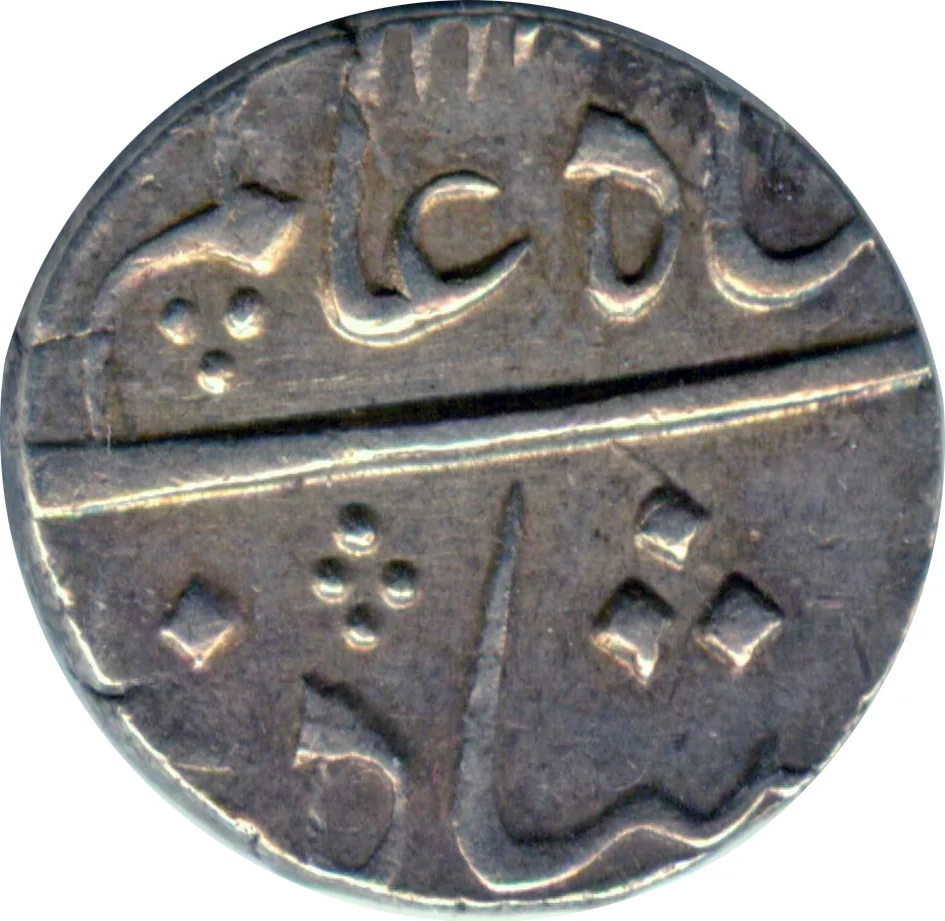
Obverse
Description:
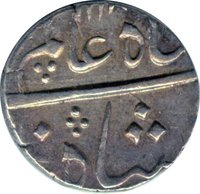
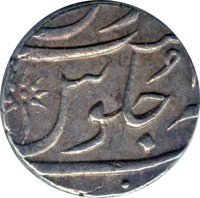
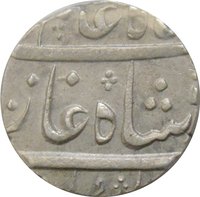
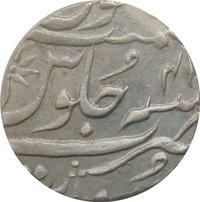
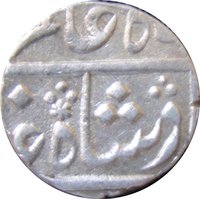
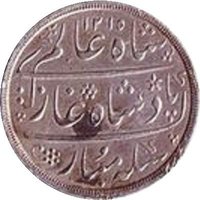
Shah Alam, victorious emperor. Dated coin.
Inscription:
شاه عالم
بادشاه غازي
سكه مبارك
بادشاه غازي
سكه مبارك
Translation:
King Alam
Victorious Emperor
Auspicious Coin
Victorious Emperor
Auspicious Coin
Language: Persian
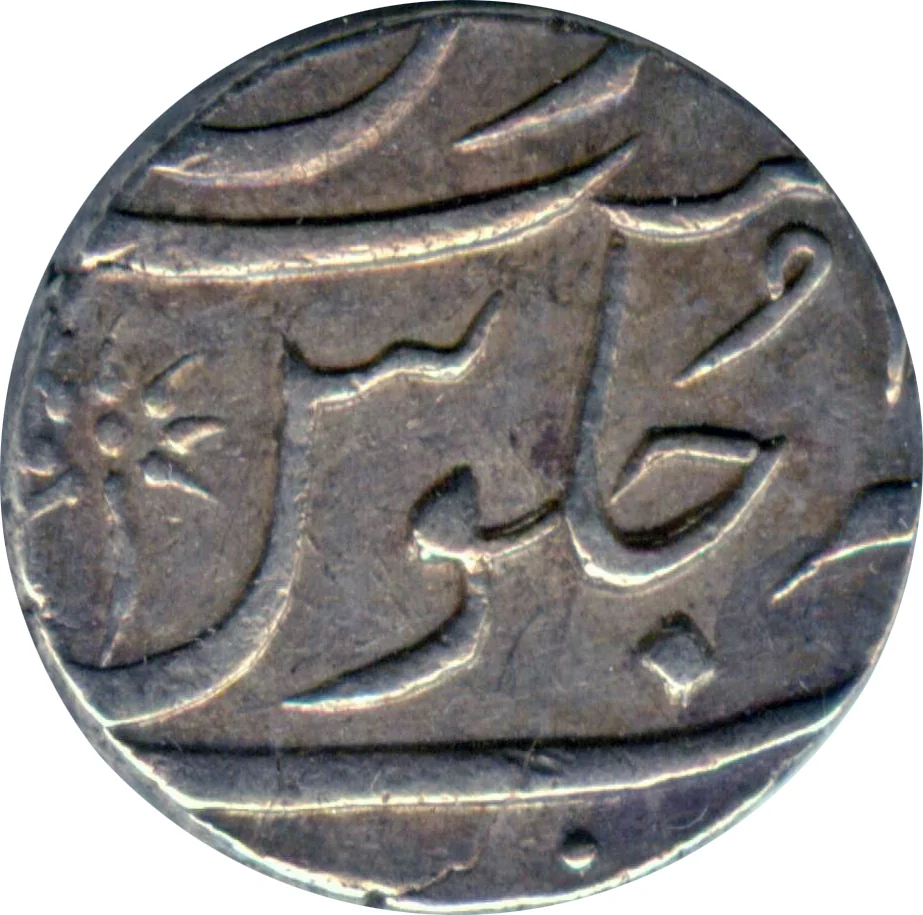
Reverse
Edge
Plain
Mintings
| Year | Mint Mark | Mintage | Quality | Collection |
|---|---|---|---|---|
| — | — | — |
Historical background
In 1800, the Bombay Presidency's currency system was a complex and chaotic tapestry of indigenous and foreign coins, reflecting its history as a major trading hub. The dominant silver currency was the rupee, but multiple varieties circulated simultaneously, primarily the Mughal Sicca Rupee and the newer, more uniform Anup Rai Rupee minted by the Marathas. Alongside these, a plethora of gold mohurs, copper pice, and even cowrie shells for small transactions created a fragmented monetary environment. This confusion was compounded by the circulation of European coins, particularly Spanish silver dollars (pieces of eight) and Portuguese xeraphims, which were integral to the Presidency's extensive maritime trade with China, the Arabian Gulf, and East Africa.
The East India Company, while governing Bombay, struggled to impose order. Its own Bombay Rupee, minted from the late 17th century, competed for legitimacy but failed to achieve universal acceptance. The core problem was the lack of a standard, uniform currency that could facilitate both internal revenue collection and external commerce. Merchants and money-changers (shroffs) were essential intermediaries, assessing the weight and purity of each coin and determining its discount or premium, a process that hindered efficient trade and government finance. This uncertainty posed a direct risk to the Company's economic and administrative control.
Therefore, the dawn of the 19th century marked a critical turning point. The British victory in the Second Anglo-Maratha War (1803-05) would soon give the Company control over key mints in western India. This military success set the stage for a major reform: the introduction of the British standard silver rupee in 1806. This move aimed to finally supersede the myriad existing coins, centralize minting authority, and create a stable, unified currency system to underpin the Company's expanding political power and streamline the Presidency's economy. The situation in 1800 was thus the chaotic prelude to a deliberate colonial monetary consolidation.
The East India Company, while governing Bombay, struggled to impose order. Its own Bombay Rupee, minted from the late 17th century, competed for legitimacy but failed to achieve universal acceptance. The core problem was the lack of a standard, uniform currency that could facilitate both internal revenue collection and external commerce. Merchants and money-changers (shroffs) were essential intermediaries, assessing the weight and purity of each coin and determining its discount or premium, a process that hindered efficient trade and government finance. This uncertainty posed a direct risk to the Company's economic and administrative control.
Therefore, the dawn of the 19th century marked a critical turning point. The British victory in the Second Anglo-Maratha War (1803-05) would soon give the Company control over key mints in western India. This military success set the stage for a major reform: the introduction of the British standard silver rupee in 1806. This move aimed to finally supersede the myriad existing coins, centralize minting authority, and create a stable, unified currency system to underpin the Company's expanding political power and streamline the Presidency's economy. The situation in 1800 was thus the chaotic prelude to a deliberate colonial monetary consolidation.
💎 Very Rare