

5 centavos – Colombia
Add to wishlist
Colombia
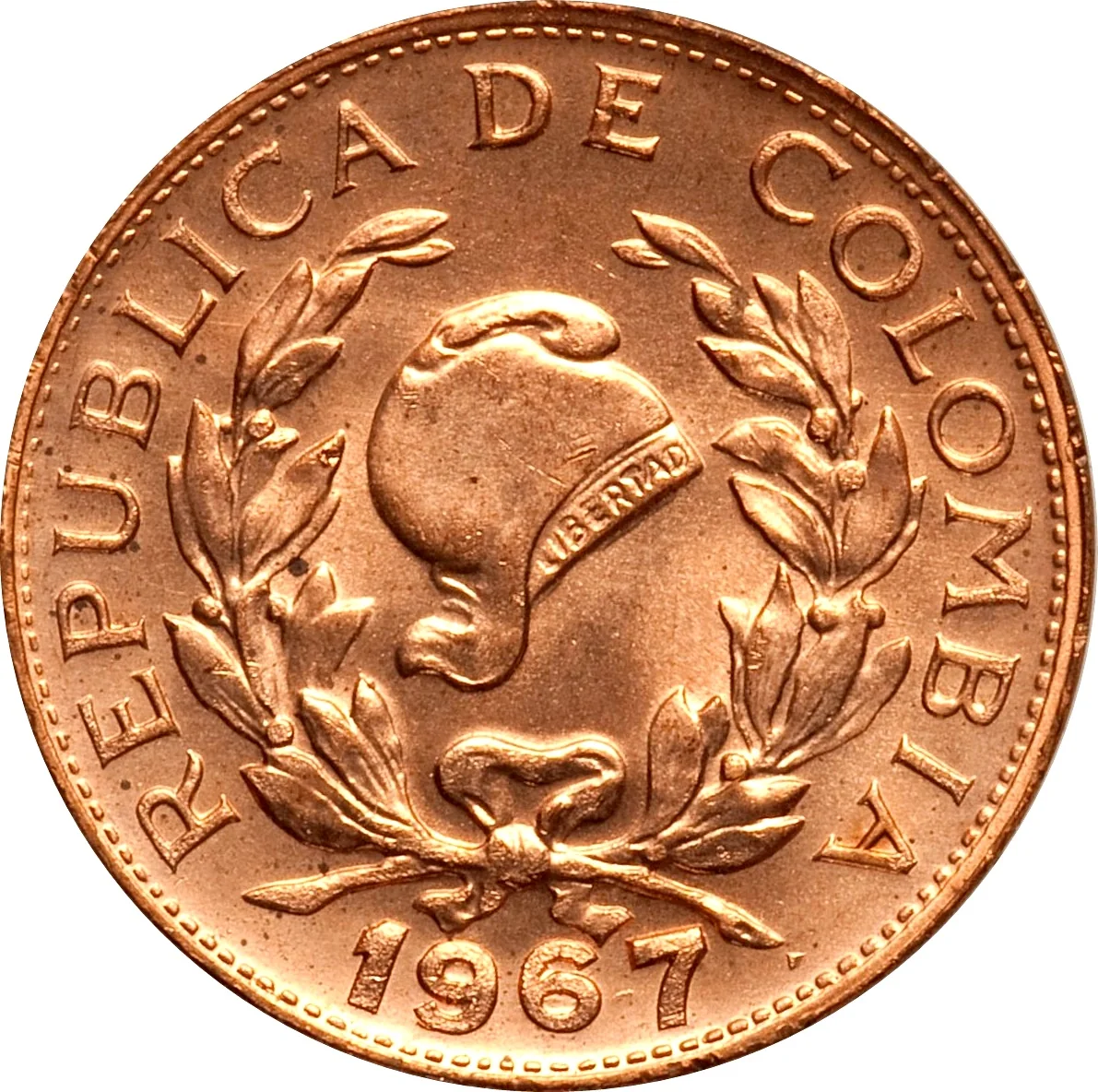
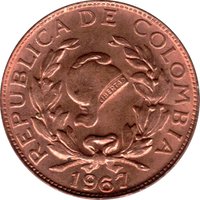
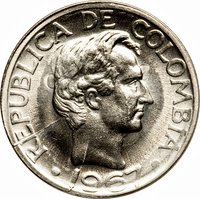
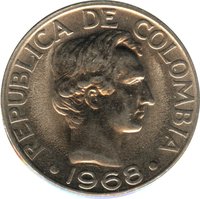
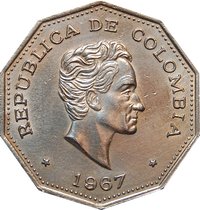
Obverse
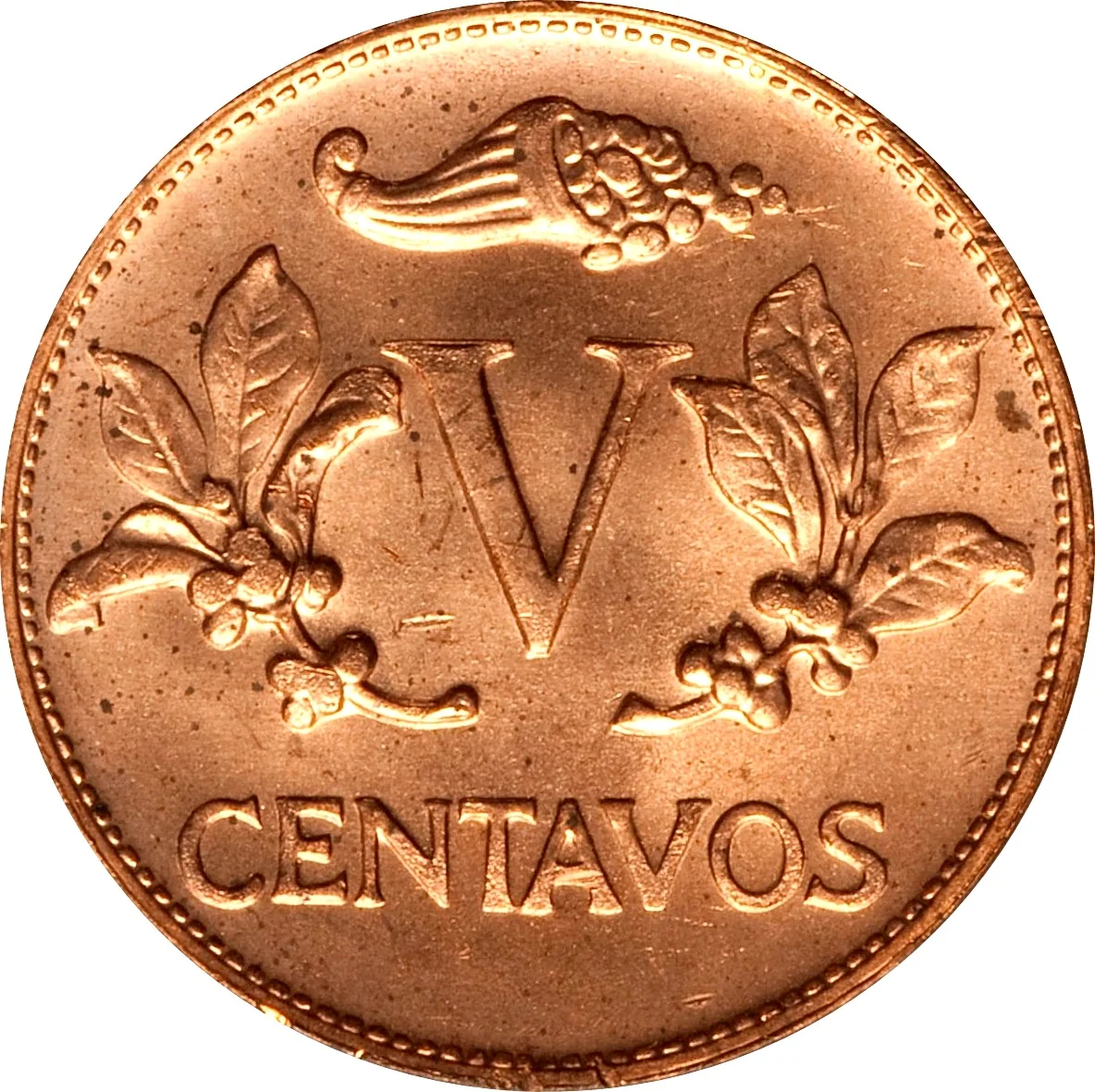
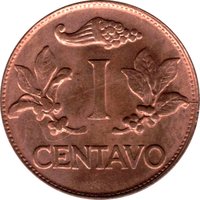
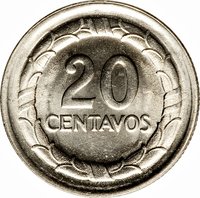
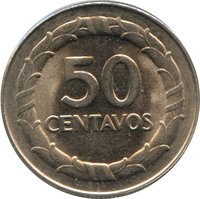
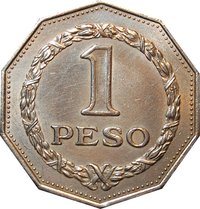
Reverse
Edge
Plain
Categories
| Symbol> Cornucopia |
| Symbol> Phrygian cap |
| Symbol> Wreath |
Mints
| Name | Mark |
|---|---|
| Bogota Mint | — |
Mintings
| Year | Mint Mark | Mintage | Quality | Collection |
|---|---|---|---|---|
| 1967 | — | 10,280,000 | ||
| 1968 | — | 8,900,000 | ||
| 1969 | — | 17,800,000 | ||
| 1970 | — | 14,842,000 | ||
| 1971 | — | 10,730,000 | ||
| 1972 | — | 10,170,000 | ||
| 1973 | — | 10,525,000 | ||
| 1974 | — | 5,310,000 | ||
| 1975 | — | 5,631,000 | ||
| 1976 | — | 3,009,000 | ||
| 1977 | — | 2,000,000 | ||
| 1978 | — | 8,555,000 |
Historical background
In 1967, Colombia faced a critical juncture in its monetary history, grappling with the persistent pressures of a fixed exchange rate system that had become increasingly unsustainable. The Colombian peso was pegged to the U.S. dollar at a rate of 16.5 pesos per dollar, a parity maintained since 1962. However, this official rate was severely overvalued, creating a wide and destabilizing gap with the black-market rate, which traded at a significant premium. This disparity fueled capital flight, discouraged legitimate exports (primarily coffee), and led to a chronic depletion of the country's international reserves, threatening its economic stability.
The root causes were multifaceted. Internally, Colombia struggled with high inflation, partly driven by expansive fiscal policies and rapid monetary growth, which eroded the peso's domestic purchasing power. Externally, a decline in the world price of coffee—Colombia's principal export and source of foreign exchange—exacerbated the balance of payments crisis. The fixed peg could not adjust to these realities, creating a classic scenario where the currency was artificially strong for the state of the underlying economy, making imports cheap and exports uncompetitive.
This mounting pressure culminated in the decisive monetary reform of 1967. Under the guidance of Minister of Finance Abdón Espinosa Valderrama, Colombia abandoned its rigid peg and adopted a "crawling peg" system, a pioneering move in Latin America. The government devalued the peso to 20 pesos per dollar and established a mechanism for frequent, small devaluations to gradually adjust the exchange rate in line with inflation differentials. This reform successfully eliminated the black-market premium, restored competitiveness to exports, and provided a framework for greater monetary autonomy, marking a foundational shift in Colombia's economic policy for the subsequent decades.
The root causes were multifaceted. Internally, Colombia struggled with high inflation, partly driven by expansive fiscal policies and rapid monetary growth, which eroded the peso's domestic purchasing power. Externally, a decline in the world price of coffee—Colombia's principal export and source of foreign exchange—exacerbated the balance of payments crisis. The fixed peg could not adjust to these realities, creating a classic scenario where the currency was artificially strong for the state of the underlying economy, making imports cheap and exports uncompetitive.
This mounting pressure culminated in the decisive monetary reform of 1967. Under the guidance of Minister of Finance Abdón Espinosa Valderrama, Colombia abandoned its rigid peg and adopted a "crawling peg" system, a pioneering move in Latin America. The government devalued the peso to 20 pesos per dollar and established a mechanism for frequent, small devaluations to gradually adjust the exchange rate in line with inflation differentials. This reform successfully eliminated the black-market premium, restored competitiveness to exports, and provided a framework for greater monetary autonomy, marking a foundational shift in Colombia's economic policy for the subsequent decades.
Series: 1967 Colombia circulation coins
🌱 Very Common