

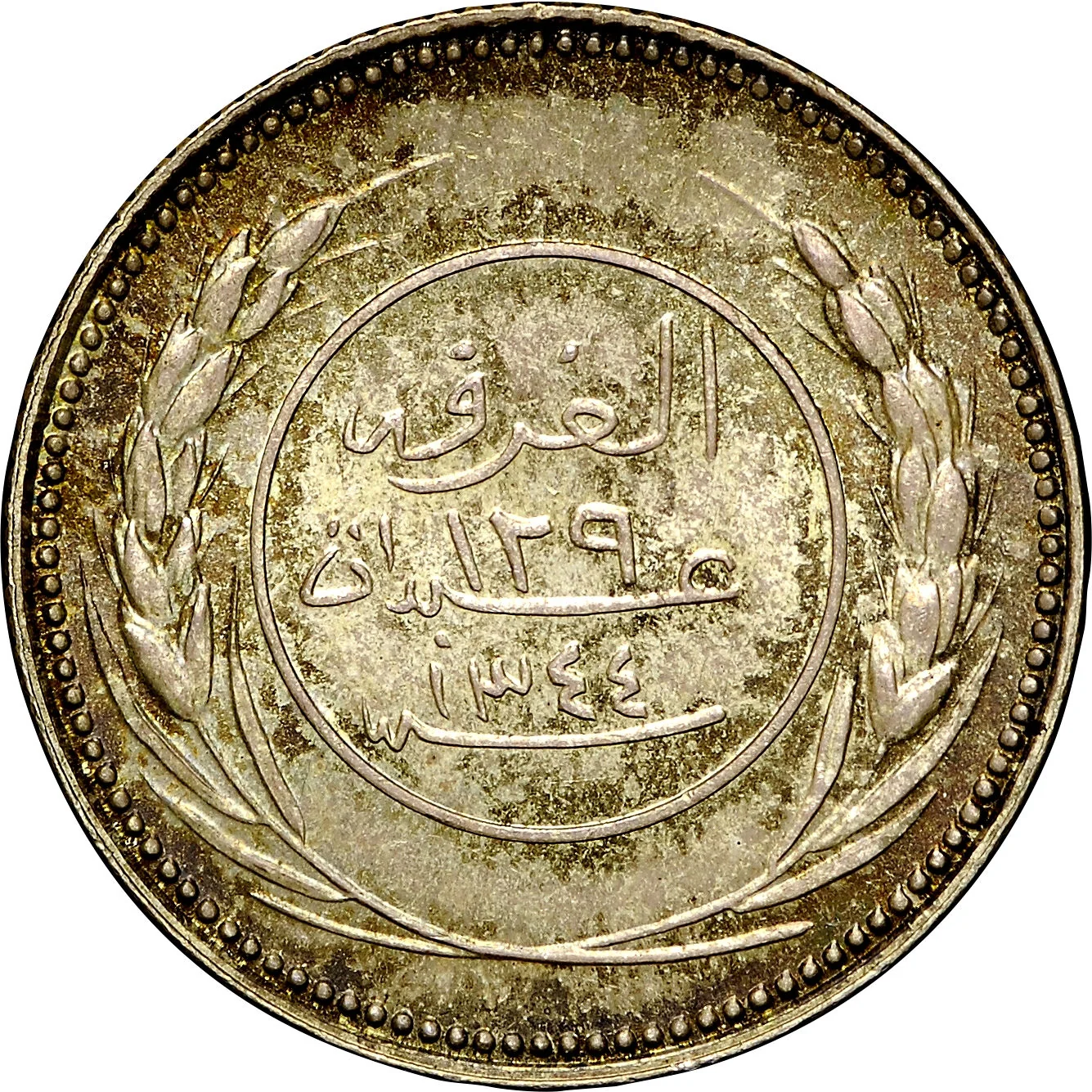
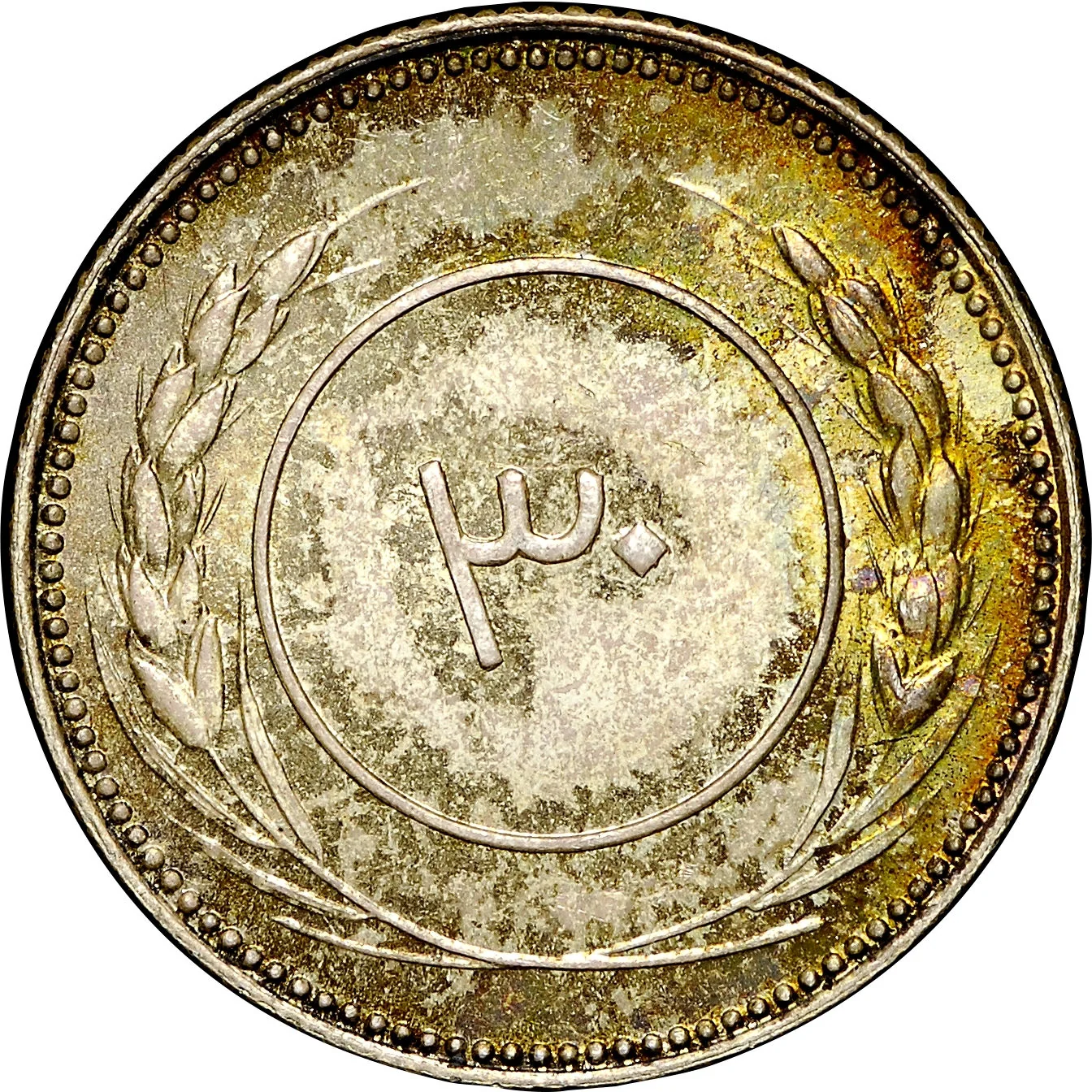
30 khumsiyyah – Al-Ghurfah
Add to wishlist
Yemen
Context
Year: 1926
Islamic (Hijri) Year:: 1344
Country: Yemen
Issuer: Al-Ghurfah
Currency:
Demonetized: Yes
Total mintage: 10,000
Material
References
KM: #
Numista: #55667
Value
Bullion value: $9.08
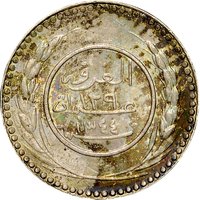
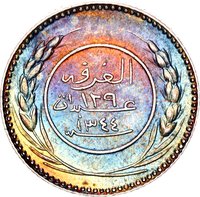
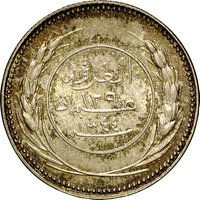
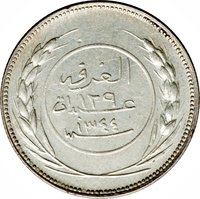
Obverse
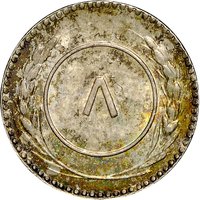
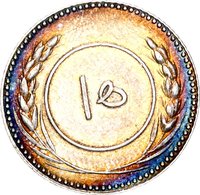
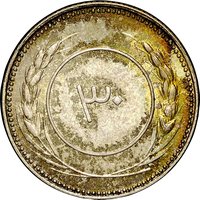
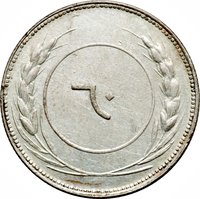
Reverse
Edge
Mints
| Name | Mark |
|---|---|
| Heaton and Sons / The Mint Birmingham | — |
Mintings
| Year | Mint Mark | Mintage | Quality | Collection |
|---|---|---|---|---|
| 1926 | — | 10,000 |
Historical background
In 1926, the currency situation in the fictional sultanate of Al-Ghurfah was one of complex transition and colonial influence. Officially, the nation operated on a bimetallic standard, with the silver Ghurfi Riyal and the gold Al-Ghurfah Dinar circulating alongside one another. However, the fixed exchange rate between them had become unsustainable due to global silver depreciation, leading to the effective disappearance of gold coins from daily use as they were hoarded or exported. This instability was exacerbated by the widespread circulation of foreign currencies, particularly the British Indian Rupee and the Maria Theresa Thaler, which dominated regional trade due to their reliability and the economic pull of the British Empire in the surrounding Gulf and Indian Ocean.
This monetary fragmentation was a direct reflection of Al-Ghurfah’s political reality. While nominally independent, the sultanate existed under a British protectorate established by treaty in the late 19th century. British financial advisors exerted significant pressure on the Sultan to modernize and unify the currency system, primarily to facilitate trade with British India and to stabilize government revenues. Their proposed solution was the creation of a new, single currency pegged to the British Pound Sterling, a move fiercely debated within the royal court and the merchant classes who benefited from the old, flexible system.
Consequently, 1926 was a year of tense deliberation. Pro-modernization factions, led by the young Crown Prince and the coastal merchant elites, argued that a sterling-pegged currency would attract foreign investment and end fiscal confusion. Traditionalists, including powerful tribal leaders and bazaar money-changers, saw the proposal as a loss of sovereignty and a threat to their economic influence. The situation remained in deadlock, with the Sultan hesitating to approve the reform, leaving Al-Ghurfah with a dysfunctional multi-currency system that symbolized its struggle between tradition and imposed modernization.
This monetary fragmentation was a direct reflection of Al-Ghurfah’s political reality. While nominally independent, the sultanate existed under a British protectorate established by treaty in the late 19th century. British financial advisors exerted significant pressure on the Sultan to modernize and unify the currency system, primarily to facilitate trade with British India and to stabilize government revenues. Their proposed solution was the creation of a new, single currency pegged to the British Pound Sterling, a move fiercely debated within the royal court and the merchant classes who benefited from the old, flexible system.
Consequently, 1926 was a year of tense deliberation. Pro-modernization factions, led by the young Crown Prince and the coastal merchant elites, argued that a sterling-pegged currency would attract foreign investment and end fiscal confusion. Traditionalists, including powerful tribal leaders and bazaar money-changers, saw the proposal as a loss of sovereignty and a threat to their economic influence. The situation remained in deadlock, with the Sultan hesitating to approve the reform, leaving Al-Ghurfah with a dysfunctional multi-currency system that symbolized its struggle between tradition and imposed modernization.
💎 Extremely Rare