

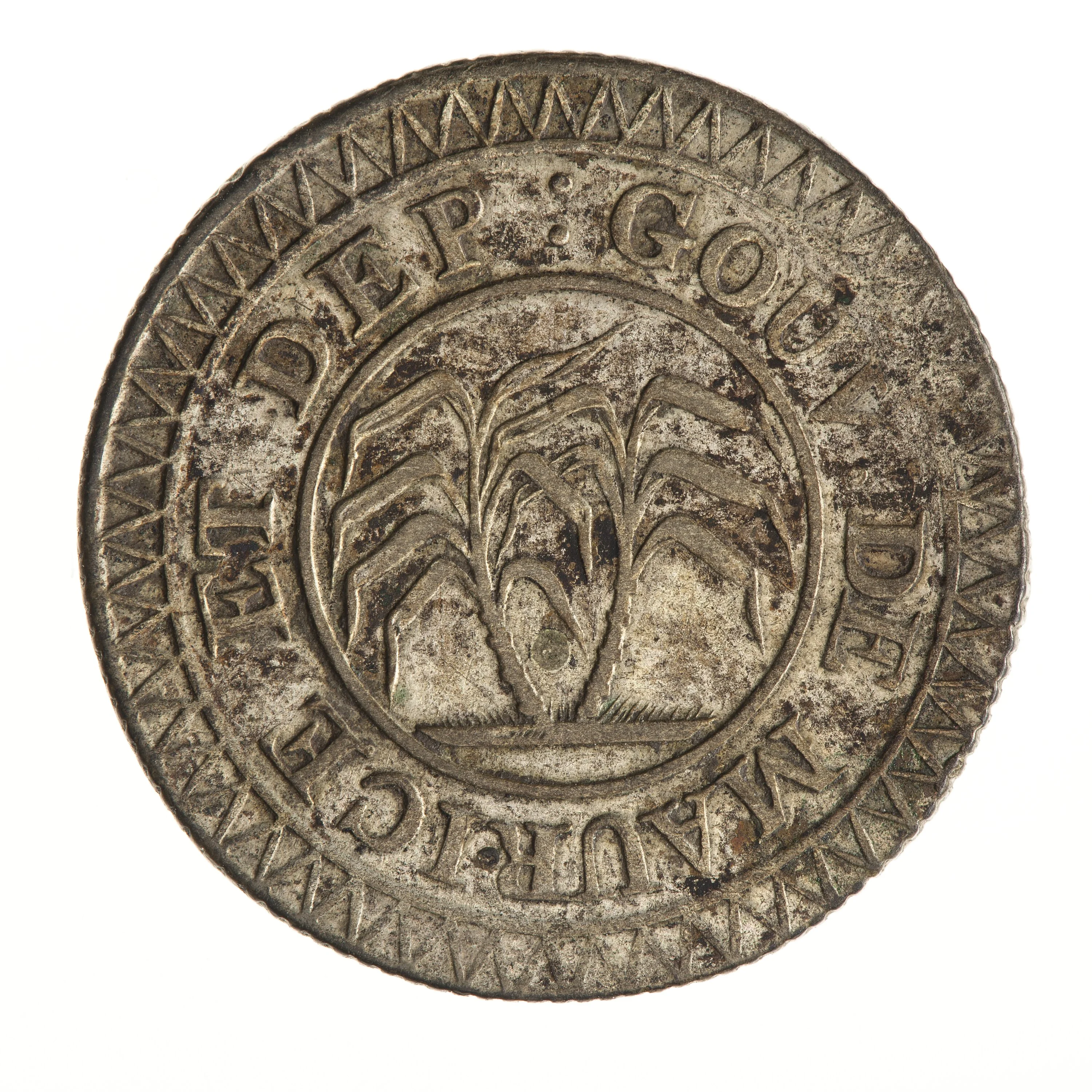
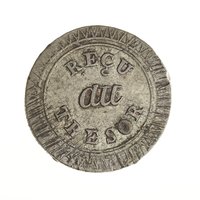
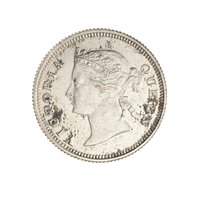
Obverse
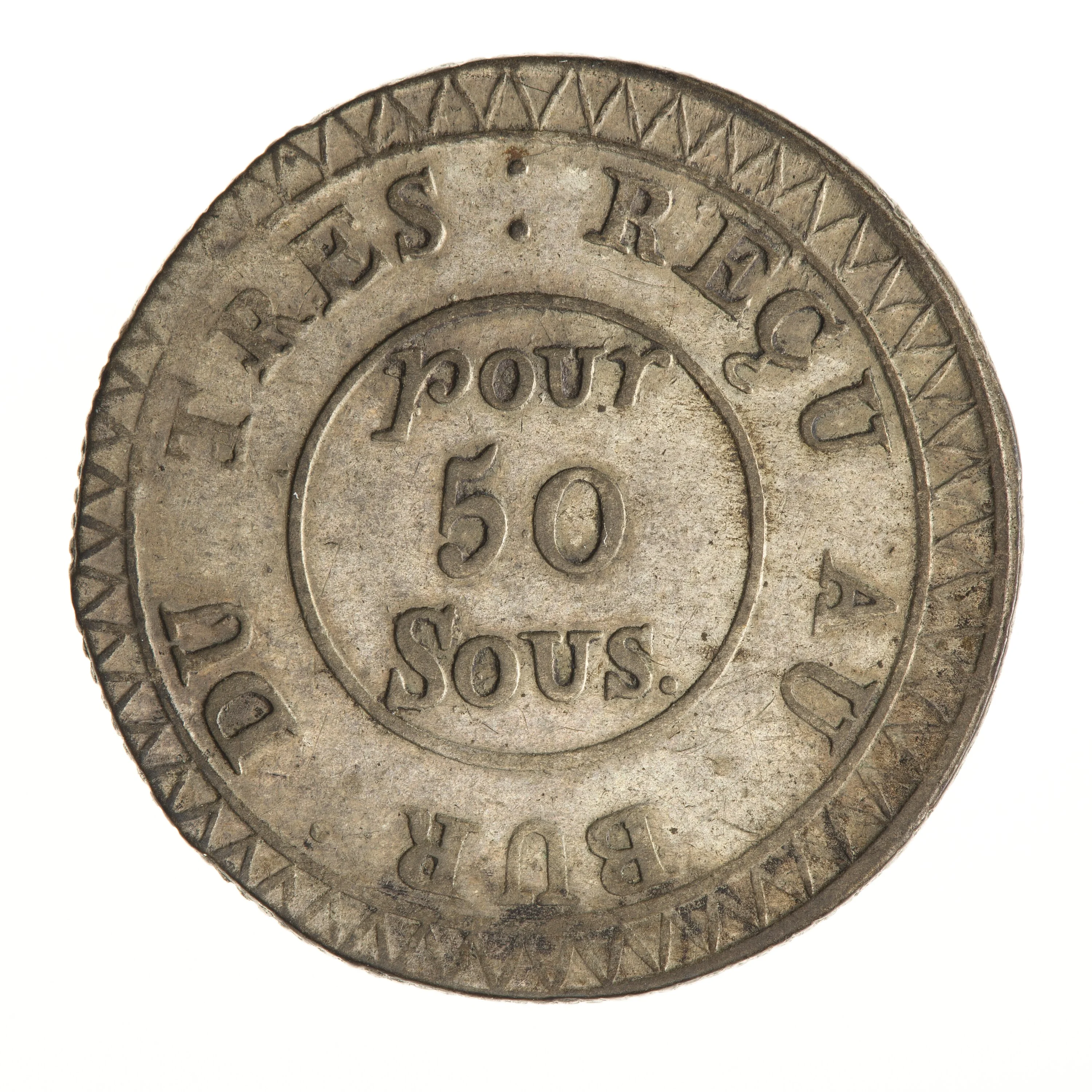
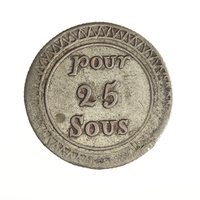
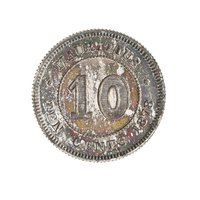
Reverse
Edge
Reeded
Mints
| Name | Mark |
|---|---|
| Kolkata / Calcutta / Murshidabad | — |
Mintings
| Year | Mint Mark | Mintage | Quality | Collection |
|---|---|---|---|---|
| 1822 | — | 286,000 | ||
| 1822 | — | — | Proof |
Historical background
In 1822, the currency situation in Mauritius was complex and transitional, reflecting its history as a contested colonial possession. The island, then a British colony (since 1810), was grappling with the legacy of multiple previous administrations. The official currency in circulation was a confusing mix of Spanish silver dollars (pieces of eight), French colonial livres, British sterling, and a variety of Indian rupees and other foreign coins, all circulating simultaneously at fluctuating rates. This monetary pluralism created significant challenges for trade, taxation, and daily commerce, leading to frequent disputes and inefficiencies.
The British administration, under Governor Sir Robert Townsend Farquhar and his successor, was actively attempting to impose order and integrate the island into the British imperial economic system. A key step was the official demonetisation of the French livre in 1820, aiming to establish British sterling as the sole legal standard. However, this policy faced strong resistance from the Franco-Mauritian planter class, who were accustomed to the old French system and formed the economic backbone of the sugar industry. The practical reality in 1822 was that the transition was incomplete and contentious.
Consequently, 1822 fell within a period of protracted monetary reform. The government issued proclamations to fix exchange rates between the various coins in an attempt to create stability, but these often failed to reflect market realities. The shortage of official British coinage remained a chronic problem, ensuring that the older Spanish and French coins continued to be the most common media of exchange in everyday transactions. Thus, the currency situation in 1822 was characterised by an unstable hybrid system, caught between the colonial government's desire for sterling standardisation and the entrenched economic practices of the island's inhabitants.
The British administration, under Governor Sir Robert Townsend Farquhar and his successor, was actively attempting to impose order and integrate the island into the British imperial economic system. A key step was the official demonetisation of the French livre in 1820, aiming to establish British sterling as the sole legal standard. However, this policy faced strong resistance from the Franco-Mauritian planter class, who were accustomed to the old French system and formed the economic backbone of the sugar industry. The practical reality in 1822 was that the transition was incomplete and contentious.
Consequently, 1822 fell within a period of protracted monetary reform. The government issued proclamations to fix exchange rates between the various coins in an attempt to create stability, but these often failed to reflect market realities. The shortage of official British coinage remained a chronic problem, ensuring that the older Spanish and French coins continued to be the most common media of exchange in everyday transactions. Thus, the currency situation in 1822 was characterised by an unstable hybrid system, caught between the colonial government's desire for sterling standardisation and the entrenched economic practices of the island's inhabitants.
💎 Very Rare