

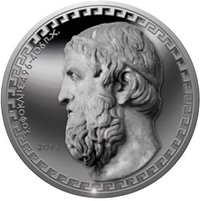
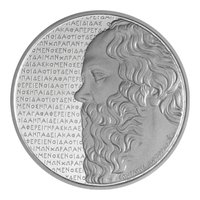
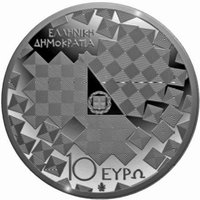
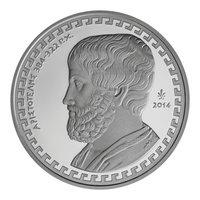
Obverse
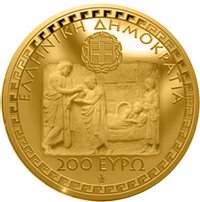
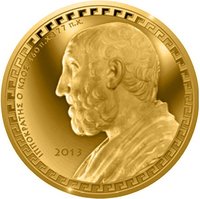
Description:
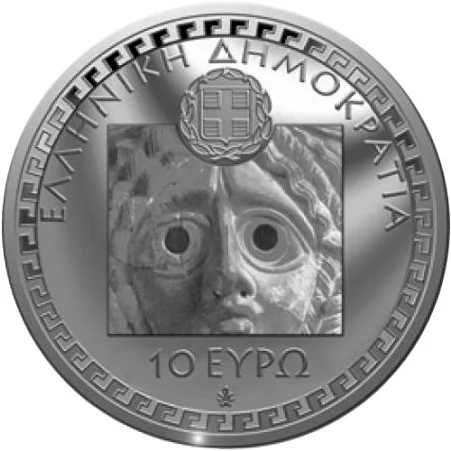
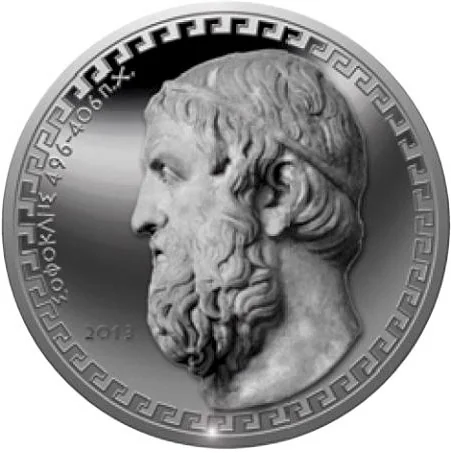
Sophocles framed by a meander.
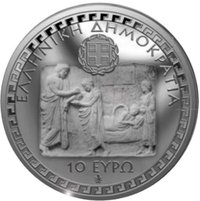
Inscription:
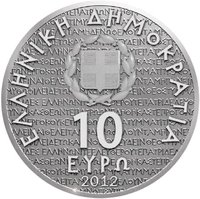
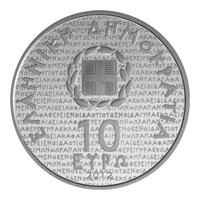
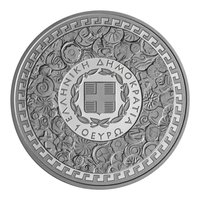
ΕΛΛΗΝΙΚΗ ΔΗΜΟΚΡΑΤΙΑ
10 ΕΥΡΩ
10 ΕΥΡΩ
Translation:
HELLENIC REPUBLIC
10 EURO
10 EURO
Script: Greek
Language: Greek
Engraver: Geórgios Stamatópoulos
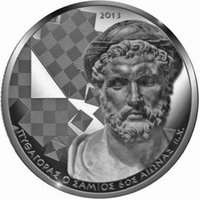
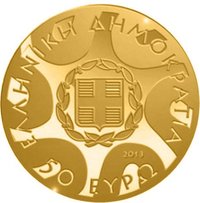
Reverse
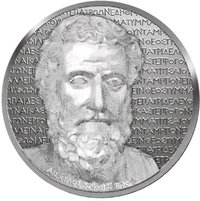
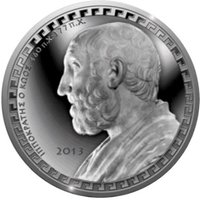
Description:
An ancient theater mask
Inscription:
ΣΟΦΟΚΛΗΣ 496 - 406 π.Χ.
2013
2013
Translation:
Sophocles 496 - 406 BC
2013
2013
Script: Greek
Language: Greek
Engraver: Geórgios Stamatópoulos
Edge
Categories
| Symbols> Coat of Arms |
| Art> Literature |
| Art> Theatre |
Mints
| Name | Mark |
|---|---|
| National Mint of the Bank of Greece | — |
Mintings
| Year | Mint Mark | Mintage | Quality | Collection |
|---|---|---|---|---|
| 2013 | — | 1,000 | Proof |
Historical background
By 2013, Greece was in the depths of a profound economic and social crisis, having endured five consecutive years of recession. The currency situation was defined by its membership in the Eurozone; Greece used the euro, which remained its official and only legal tender. However, the severe austerity measures imposed as conditions for international bailouts from the European Commission, European Central Bank, and International Monetary Fund (the "Troika") had crippled the economy. This led to widespread bank withdrawals, capital flight, and intense speculation about a possible "Grexit"—a forced exit from the euro and a return to a devalued national currency, the drachma.
The fear of Grexit created a paradoxical environment where the physical euro was both ubiquitous and potentially under threat. While euros circulated normally for daily transactions, there was a pervasive sense of fragility. Many citizens and businesses, fearing bank collapses or a sudden currency conversion, withdrew large sums, leading to significant deposit outflows from the banking system. This forced the government to impose capital controls in the coming years, but in 2013, the tension was building. The government's solvency depended entirely on continued Troika funding, which was frequently paused due to missed reform targets, keeping the country on a financial cliff-edge.
Ultimately, Greece remained in the Eurozone in 2013, avoiding the catastrophic scenario of a forced currency switch. The commitment to the euro was seen as essential for maintaining financial stability within the broader European project, despite the immense domestic cost. The year concluded with the economy still contracting and unemployment near 28%, but with the immediate threat of currency collapse deferred. The situation underscored the extreme strain of maintaining a shared currency without full fiscal or political union, leaving Greece in a state of suspended crisis, using a currency whose future for the country felt perpetually in question.
The fear of Grexit created a paradoxical environment where the physical euro was both ubiquitous and potentially under threat. While euros circulated normally for daily transactions, there was a pervasive sense of fragility. Many citizens and businesses, fearing bank collapses or a sudden currency conversion, withdrew large sums, leading to significant deposit outflows from the banking system. This forced the government to impose capital controls in the coming years, but in 2013, the tension was building. The government's solvency depended entirely on continued Troika funding, which was frequently paused due to missed reform targets, keeping the country on a financial cliff-edge.
Ultimately, Greece remained in the Eurozone in 2013, avoiding the catastrophic scenario of a forced currency switch. The commitment to the euro was seen as essential for maintaining financial stability within the broader European project, despite the immense domestic cost. The year concluded with the economy still contracting and unemployment near 28%, but with the immediate threat of currency collapse deferred. The situation underscored the extreme strain of maintaining a shared currency without full fiscal or political union, leaving Greece in a state of suspended crisis, using a currency whose future for the country felt perpetually in question.
💎 Extremely Rare