

1000 Australes – Argentina
Argentina

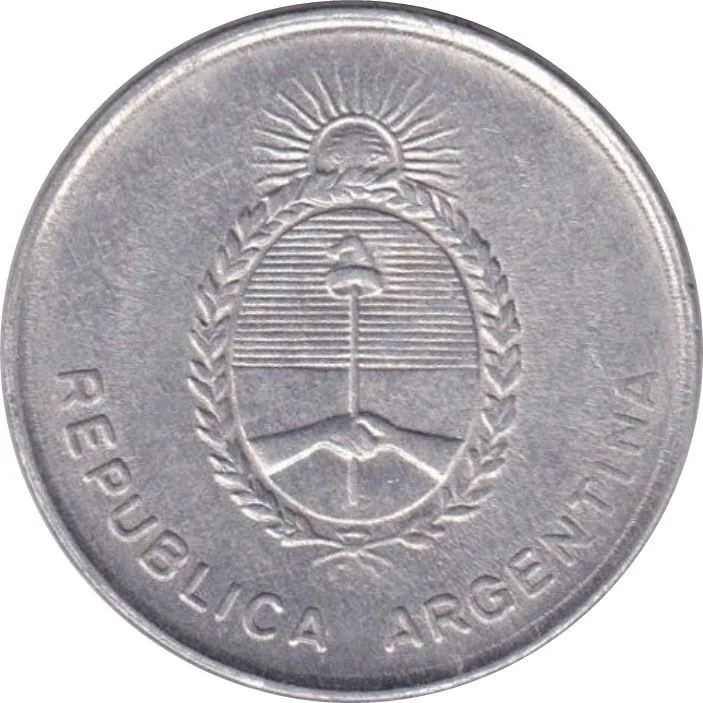
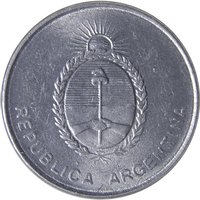
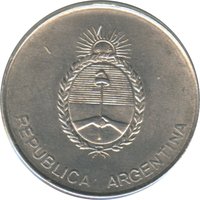
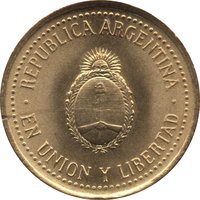
Obverse
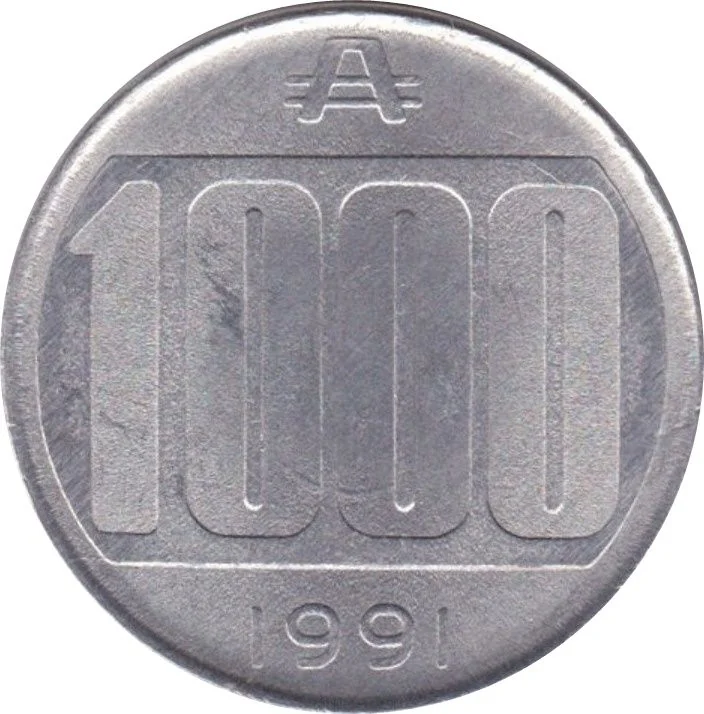
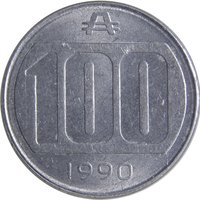
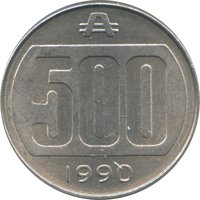
Reverse
Description:
Large box value, small double-lined "A" above, date below.
Inscription:
₳
1000
1991
1000
1991
Script: Latin
Edge
Plain
Categories
| Symbols> Coat of Arms |
| Symbol> Phrygian cap |
| Symbol> Sun |
Mintings
| Year | Mint Mark | Mintage | Quality | Collection |
|---|---|---|---|---|
| 1990 | — | 8,282,000 | ||
| 1991 | — | 41,618,000 |
Historical background
By 1990, Argentina was in the throes of a profound economic crisis, characterized by hyperinflation that had reached an annual rate of over 2,000%. This was the culmination of decades of fiscal mismanagement, where successive governments financed massive public deficits by printing money. The national currency, the austral (which had replaced the peso in 1985), had become virtually worthless, destroying savings and crippling economic planning. Multiple failed stabilization plans, such as the Austral Plan and the Primavera Plan, had provided only temporary relief before collapsing, eroding public confidence in both the currency and the state's ability to manage the economy.
The monetary chaos was exacerbated by a lack of central bank independence and a deep-rooted "dollarization" of the economy. As faith in the austral evaporated, Argentines and businesses increasingly conducted transactions and stored wealth in US dollars, which functioned as a parallel, stable currency. This practice further undermined the national currency, creating a vicious cycle where the demand for pesos (and australs) plummeted, fueling even higher inflation. The economy was trapped in a state of severe recession and hyperinflation, known as "stagflation," with soaring poverty and social unrest.
This dire context set the stage for the radical reforms of 1991. The failure of the 1990 "Bonex Plan," which compulsorily converted short-term deposits into long-term dollar-denominated bonds, marked the final collapse of the existing system. It was clear that tinkering with the existing framework was futile, necessitating a structural break. Consequently, the stage was set for the Convertibility Plan, which would be launched in April 1991 to permanently end hyperinflation by pegging the new peso rigidly to the US dollar and imposing strict currency board rules on the central bank.
The monetary chaos was exacerbated by a lack of central bank independence and a deep-rooted "dollarization" of the economy. As faith in the austral evaporated, Argentines and businesses increasingly conducted transactions and stored wealth in US dollars, which functioned as a parallel, stable currency. This practice further undermined the national currency, creating a vicious cycle where the demand for pesos (and australs) plummeted, fueling even higher inflation. The economy was trapped in a state of severe recession and hyperinflation, known as "stagflation," with soaring poverty and social unrest.
This dire context set the stage for the radical reforms of 1991. The failure of the 1990 "Bonex Plan," which compulsorily converted short-term deposits into long-term dollar-denominated bonds, marked the final collapse of the existing system. It was clear that tinkering with the existing framework was futile, necessitating a structural break. Consequently, the stage was set for the Convertibility Plan, which would be launched in April 1991 to permanently end hyperinflation by pegging the new peso rigidly to the US dollar and imposing strict currency board rules on the central bank.
Series: 1990 Argentina circulation coins

🌱 Very Common