

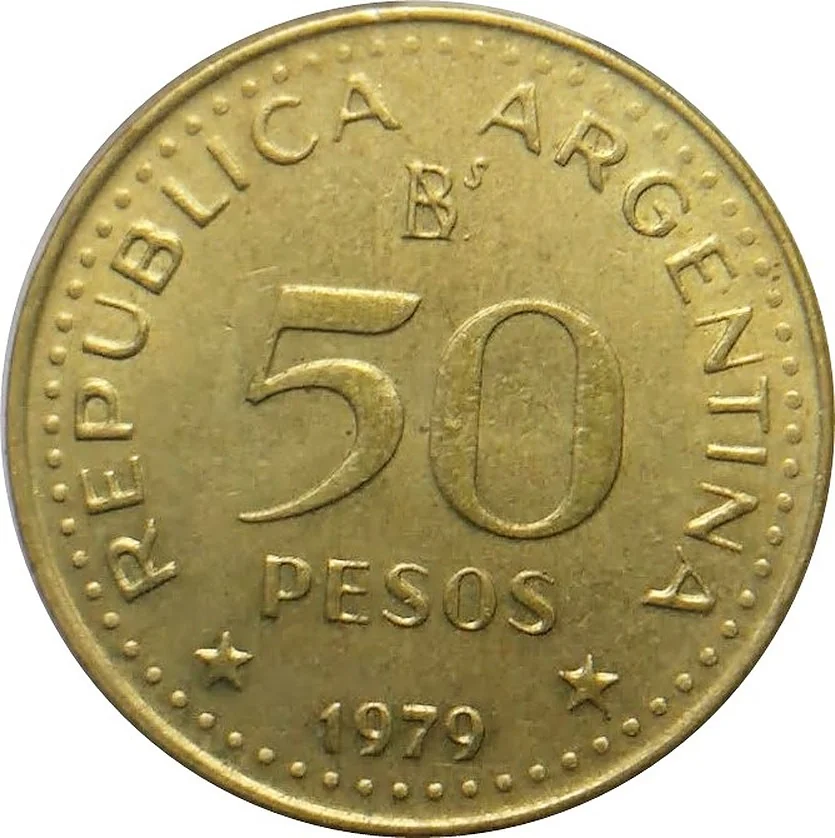
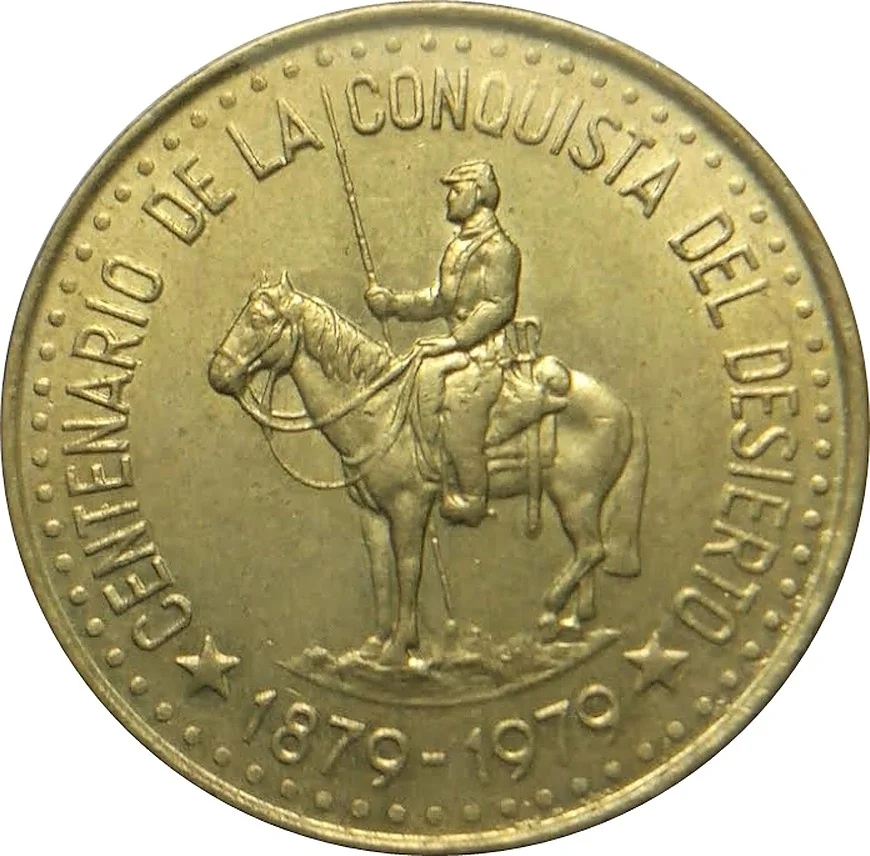
50 pesos (Conquest of Patagonia) – Argentina
Add to wishlist
Circulating commemorative coins
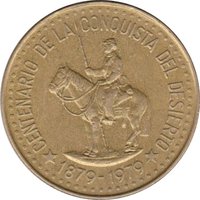
Commemoration: 100th Anniversary of the Conquest of Patagonia
Argentina
Context
Year: 1979
Issuer: Argentina
Period:
(since 1861)
Currency:
(1970—1983)
Demonetization: 30 March 1984
Total mintage: 34,761,829
Material
References
KM: #
Numista: #5236
Value
Exchange value: 50 ARL
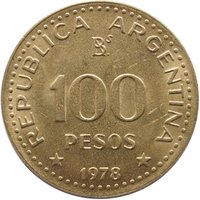
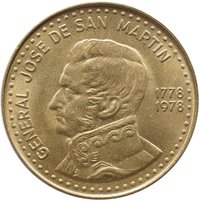
Obverse
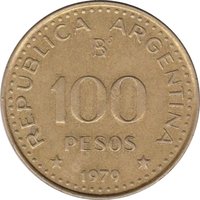
Reverse
Edge
Milled
Mints
| Name | Mark |
|---|---|
| Buenos Aires | BAˢ |
Mintings
| Year | Mint Mark | Mintage | Quality | Collection |
|---|---|---|---|---|
| 1979 | BAˢ | 34,761,829 |
Historical background
In 1979, Argentina was under the military dictatorship known as the National Reorganization Process, which had seized power in 1976. The economic team, led by Minister José Alfredo Martínez de Hoz, was implementing a neoliberal stabilization plan aimed at ending decades of high inflation, stimulating growth, and liberalizing the financial system. A central pillar of this policy was the "Tablita Cambiaria" (a pre-announced, crawling peg exchange rate regime), instituted in late 1978. This system decreed a scheduled, gradual devaluation of the Argentine peso against the US dollar at a rate slower than the existing inflation differential, intending to anchor expectations and force domestic prices down through imported competition.
The immediate effect was an artificial appreciation of the peso, which created a temporary sense of stability and a consumption boom, as imports became cheaper. However, the policy was fundamentally misaligned with reality. Domestic inflation remained stubbornly high, leading to a severe overvaluation of the currency. This overvaluation devastated the tradable goods sector, as local industry and exports became uncompetitive, widening the trade deficit. Simultaneously, the financial liberalization allowed massive inflows of speculative "hot money" attracted by high domestic interest rates, further masking the growing imbalances.
By the end of 1979, the contradictions of the "Tablita" were becoming dangerously apparent. The overvaluation was unsustainable, and the central bank was bleeding reserves to maintain the pre-announced exchange rate. While the regime provided short-term calm, it set the stage for a profound crisis. The accumulating distortions would culminate in the catastrophic financial collapse of 1981, featuring a massive devaluation, a foreign debt crisis, and the effective end of Martínez de Hoz's economic plan, leaving a legacy of deepened deindustrialization and a ballooning external debt burden.
The immediate effect was an artificial appreciation of the peso, which created a temporary sense of stability and a consumption boom, as imports became cheaper. However, the policy was fundamentally misaligned with reality. Domestic inflation remained stubbornly high, leading to a severe overvaluation of the currency. This overvaluation devastated the tradable goods sector, as local industry and exports became uncompetitive, widening the trade deficit. Simultaneously, the financial liberalization allowed massive inflows of speculative "hot money" attracted by high domestic interest rates, further masking the growing imbalances.
By the end of 1979, the contradictions of the "Tablita" were becoming dangerously apparent. The overvaluation was unsustainable, and the central bank was bleeding reserves to maintain the pre-announced exchange rate. While the regime provided short-term calm, it set the stage for a profound crisis. The accumulating distortions would culminate in the catastrophic financial collapse of 1981, featuring a massive devaluation, a foreign debt crisis, and the effective end of Martínez de Hoz's economic plan, leaving a legacy of deepened deindustrialization and a ballooning external debt burden.
🌱 Very Common