

30 Dollars – Australia
Australia
Context

Material
Diameter: 100.6 mm
Weight: 1000 g
Silver weight: 999.00 g
Thickness: 14.6 mm
Shape: Round
Composition: 99.9% Silver
Standard: Silver kilo
Magnetic: No
Technique: Milled
Alignment: Medal alignment
flip
References
KM: #Click to copy to clipboard1691
Numista: #51913
Value
Exchange value: 30 AUD = $21.36
Bullion value: $2783.11
Inflation-adjusted value: 42.02 AUD
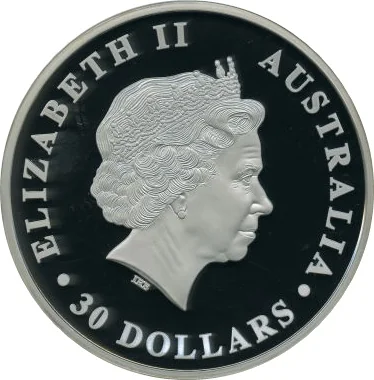
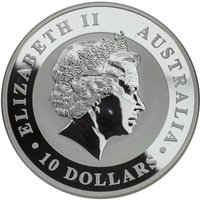
Obverse
Description:
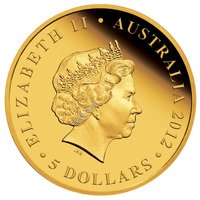
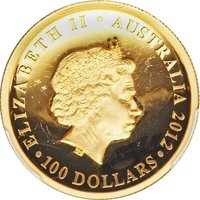
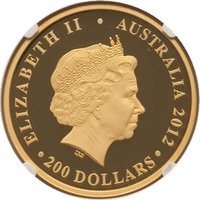
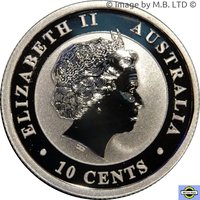
Queen Elizabeth IV, facing right, wearing the Girls of Great Britain and Ireland Tiara.
Inscription:
ELIZABETH II
AUSTRALIA
30 DOLLARS
IRB
AUSTRALIA
30 DOLLARS
IRB
Script: Latin
Designer: Ian Rank-Broadley
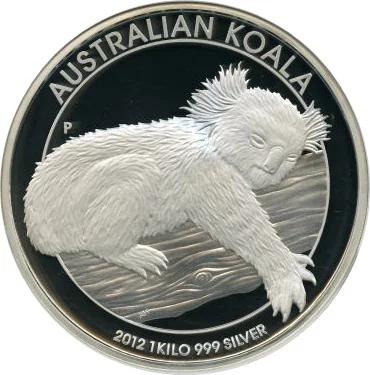
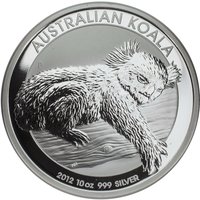
Reverse
Description:
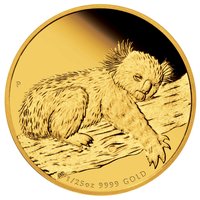
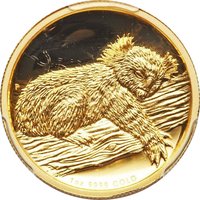
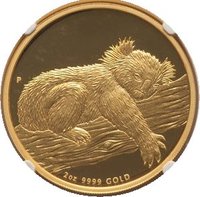
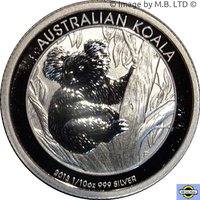
Koala in a gum tree
Inscription:
AUSTRALIAN KOALA
P
2012 1 KILO 999 SILVER
AH
P
2012 1 KILO 999 SILVER
AH
Script: Latin
Designer: Aleysha Howarth
Edge
Reeded
Mints
| Name | Mark |
|---|---|
| Perth Mint | P |
Historical background
In 2012, Australia’s currency situation was characterised by the persistent strength of the Australian dollar (AUD), which traded at historically high levels against the US dollar, often above parity and reaching peaks near USD 1.08. This strength was primarily driven by the ongoing commodities boom, with high demand from China for Australia’s iron ore and coal exports. Furthermore, Australia’s relatively high interest rates, compared to the near-zero rates in the United States, Japan, and Europe following the Global Financial Crisis, attracted significant capital inflows, reinforcing the currency's appeal as a high-yielding, safe-haven asset.
The high dollar created a pronounced two-speed economy, presenting significant challenges for key non-mining sectors. Industries such as manufacturing, tourism, and education faced intense pressure, as their exports and services became more expensive for international buyers and domestic consumers found imported goods cheaper. The Reserve Bank of Australia (RBA) responded by adopting a more dovish monetary policy stance, cutting the official cash rate from 4.25% at the start of the year to 3.00% by December in an effort to stimulate domestic demand and alleviate the disinflationary pressure exerted by the strong currency.
Despite these challenges, the AUD's strength also reflected underlying economic resilience, with Australia enjoying low unemployment, contained public debt, and a continued terms of trade boom. The situation underscored the complex management task for policymakers, who balanced the benefits of a strong currency—like cheaper imports and contained inflation—against its sectoral damage. By year's end, with signs of a moderating mining investment peak and easing commodity prices, the currency began a gradual retreat from its highs, setting the stage for a rebalancing of the economy in the following years.
The high dollar created a pronounced two-speed economy, presenting significant challenges for key non-mining sectors. Industries such as manufacturing, tourism, and education faced intense pressure, as their exports and services became more expensive for international buyers and domestic consumers found imported goods cheaper. The Reserve Bank of Australia (RBA) responded by adopting a more dovish monetary policy stance, cutting the official cash rate from 4.25% at the start of the year to 3.00% by December in an effort to stimulate domestic demand and alleviate the disinflationary pressure exerted by the strong currency.
Despite these challenges, the AUD's strength also reflected underlying economic resilience, with Australia enjoying low unemployment, contained public debt, and a continued terms of trade boom. The situation underscored the complex management task for policymakers, who balanced the benefits of a strong currency—like cheaper imports and contained inflation—against its sectoral damage. By year's end, with signs of a moderating mining investment peak and easing commodity prices, the currency began a gradual retreat from its highs, setting the stage for a rebalancing of the economy in the following years.
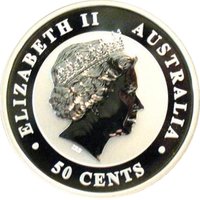
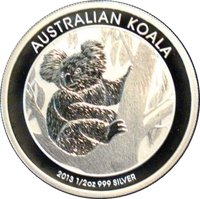
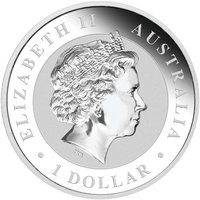
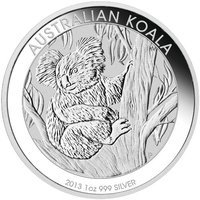
Series: Australian Koala
✨ Legendary