

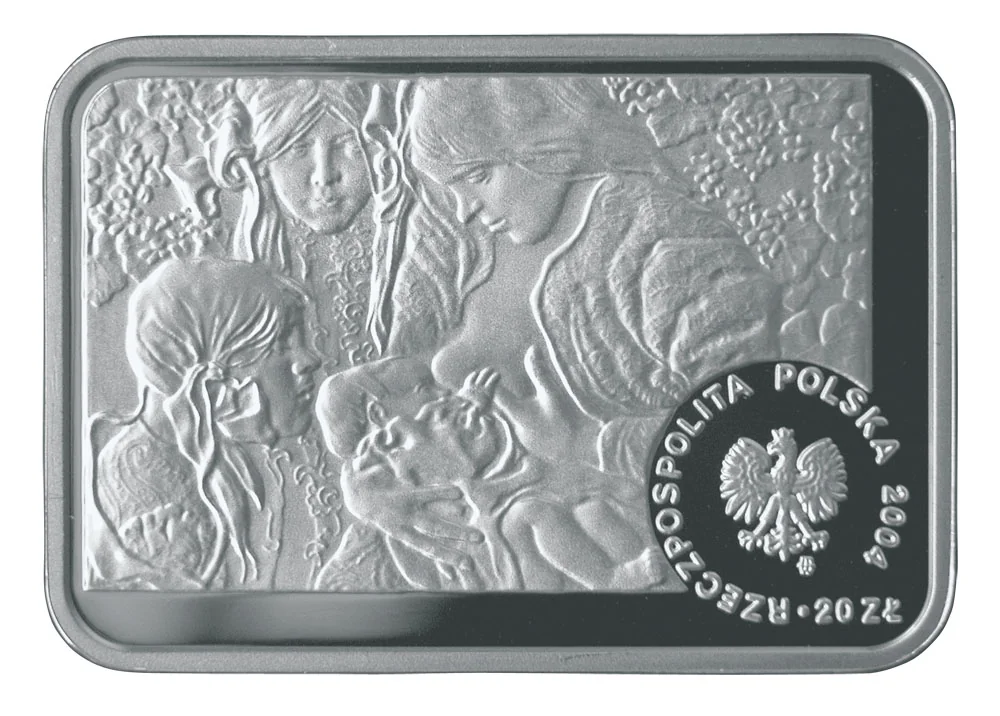
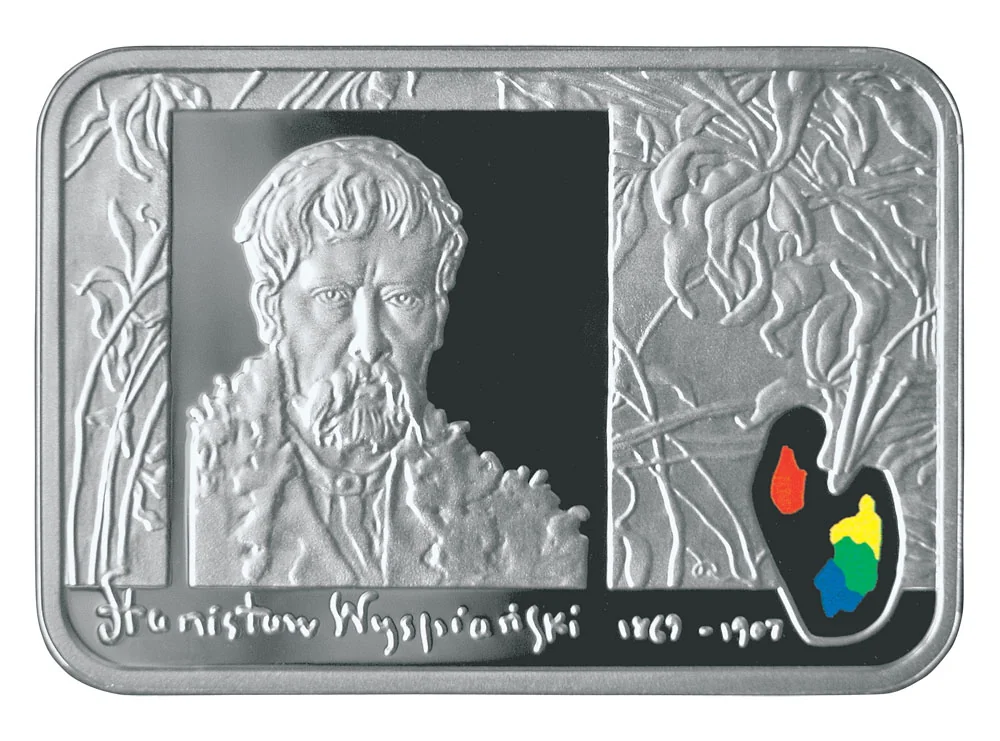
20 zlotys – Poland
Add to wishlist
Poland
Context
Material
Weight: 28.28 g
Silver Weight:: 26.16 g
Shape: Rectangular
Composition: 92.5% Silver
Magnetic: No
Alignment: Medal alignment
flip
References
Y: #
Numista: #51897
Value
Exchange value: 20 PLN
Bullion value: $66.32
Inflation-adjusted value: 40.91 PLN
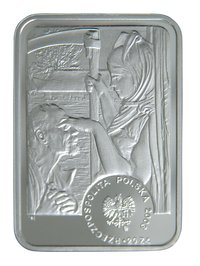
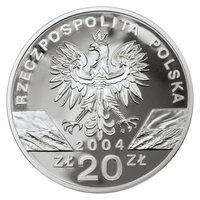
Obverse
Description:
Fragment of "Motherhood"
Inscription:
20ZŁ. RZECZPOSPOLITA POLSKA 2004
mw
mw
Translation:
20 ZŁOTYCH. REPUBLIC OF POLAND 2004
Script: Latin
Language: Polish
Designer: Robert Kotowicz
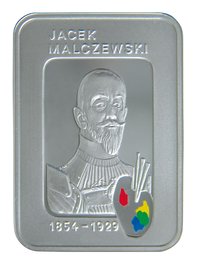
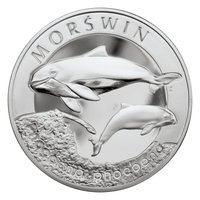
Reverse
Inscription:
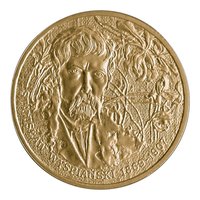
Stanisłow Wyspiański 1869-1907
Translation:
Stanisław Wyspiański 1869-1907
Script: Latin
Language: Polish
Designer: Robert Kotowicz
Edge
Plain
Mints
| Name | Mark |
|---|---|
| Mint of Poland | (MW) |
Mintings
| Year | Mint Mark | Mintage | Quality | Collection |
|---|---|---|---|---|
| 2004 | MW | 80,000 | Proof |
Historical background
In 2004, Poland's currency situation was defined by its imminent accession to the European Union on May 1st. The national currency, the złoty (PLN), operated under a managed floating exchange rate regime, guided by the National Bank of Poland (NBP). While the EU membership did not automatically require adopting the euro, it committed Poland to eventually join the Eurozone once it met the strict Maastricht convergence criteria, including exchange rate stability, low inflation, and sound public finances. The immediate focus was therefore on maintaining macroeconomic stability to ensure a smooth integration into the EU's single market, rather than an immediate currency switch.
The period was marked by significant strength and appreciation of the złoty against major currencies, particularly the euro and the US dollar. This was driven by strong investor confidence in Poland's economic prospects, substantial inflows of foreign direct investment in anticipation of EU membership, and positive assessments from international institutions. The NBP generally allowed this appreciation to occur, intervening only to curb excessive volatility, as a stronger złoty helped to curb inflation—a key concern and a criterion for future euro adoption. Inflation had been successfully tamed from hyperinflation levels in the early 1990s to around 3-4% in 2004.
Looking ahead, the official roadmap for adopting the euro remained uncertain and politically debated. Although Poland had committed to joining the Eurozone in its EU Treaty of Accession, no target date was set. The government, led by Prime Minister Marek Belka, was cautious, emphasizing that meeting the economic criteria was a prerequisite before any political decision could be made. Public opinion was also divided, with many Poles proud of the stable złoty as a symbol of post-communist economic success but wary of relinquishing monetary sovereignty. Thus, 2004 was a year of achievement and preparation, with the złoty standing strong as Poland entered the EU, while the question of euro adoption was deliberately postponed to the future.
The period was marked by significant strength and appreciation of the złoty against major currencies, particularly the euro and the US dollar. This was driven by strong investor confidence in Poland's economic prospects, substantial inflows of foreign direct investment in anticipation of EU membership, and positive assessments from international institutions. The NBP generally allowed this appreciation to occur, intervening only to curb excessive volatility, as a stronger złoty helped to curb inflation—a key concern and a criterion for future euro adoption. Inflation had been successfully tamed from hyperinflation levels in the early 1990s to around 3-4% in 2004.
Looking ahead, the official roadmap for adopting the euro remained uncertain and politically debated. Although Poland had committed to joining the Eurozone in its EU Treaty of Accession, no target date was set. The government, led by Prime Minister Marek Belka, was cautious, emphasizing that meeting the economic criteria was a prerequisite before any political decision could be made. Public opinion was also divided, with many Poles proud of the stable złoty as a symbol of post-communist economic success but wary of relinquishing monetary sovereignty. Thus, 2004 was a year of achievement and preparation, with the złoty standing strong as Poland entered the EU, while the question of euro adoption was deliberately postponed to the future.
Series: Polish Painters

💎 Very Rare