

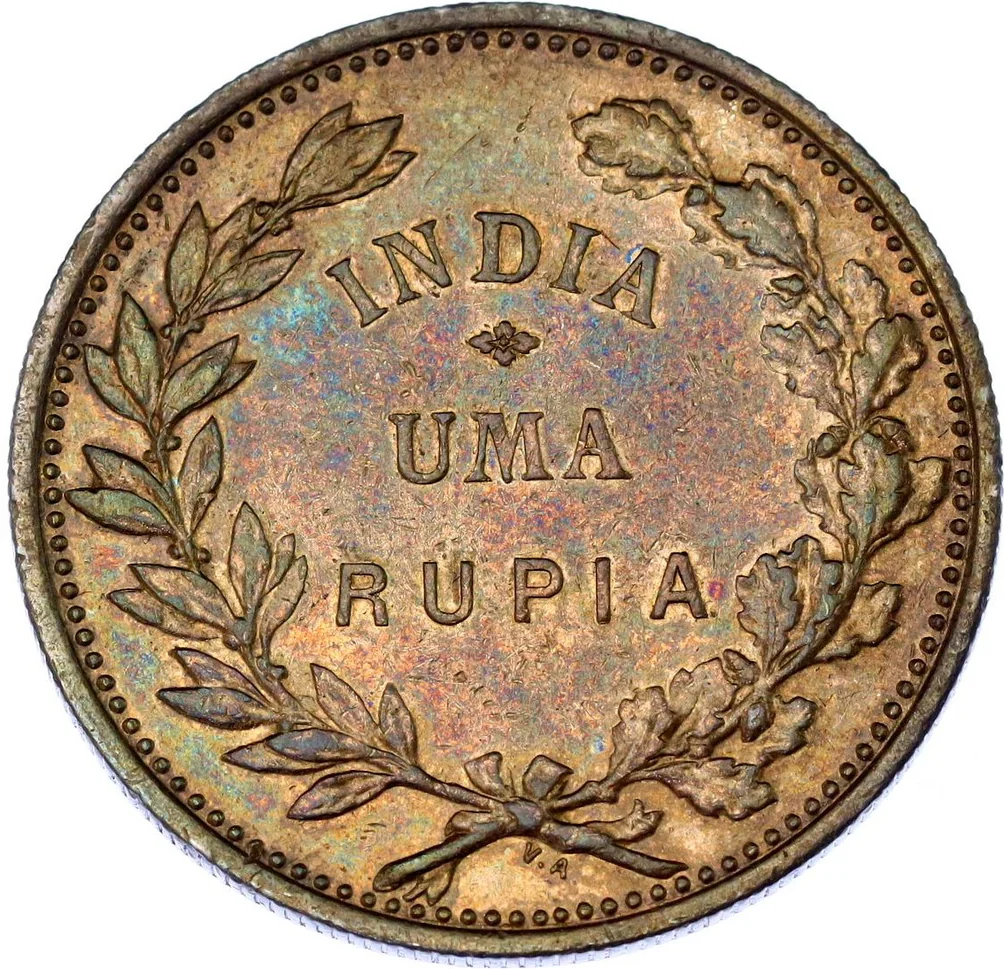
1 Rupia – Portuguese India
India
Context
Year: 1912
Country: India 
Issuer: Portuguese India
Period:
(1910—1961)
Currency:
(1880—1958)
Subdivision: 1 Rupia = 16 Tangas
Demonetization: 1935
Total mintage: 300,000
Material
References
KM: #Click to copy to clipboard18
Numista: #15168
Value
Bullion value: $30.25
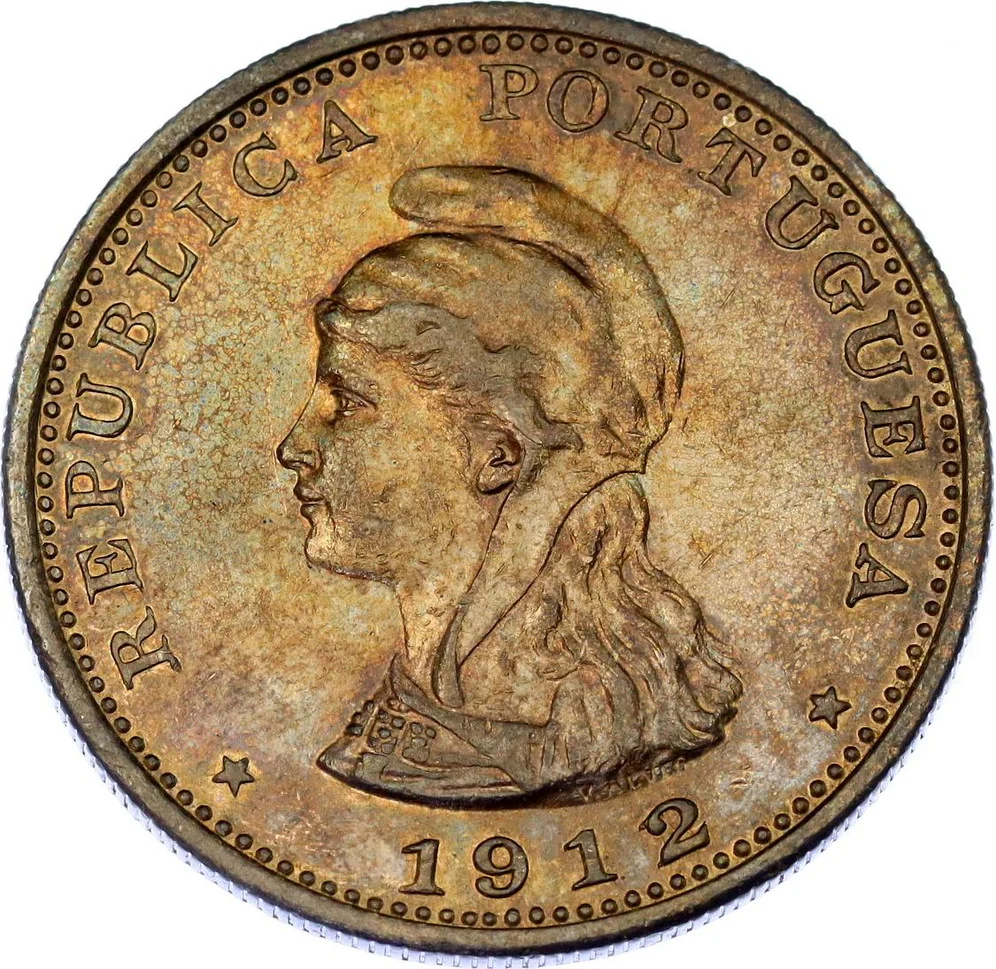
Obverse
Description:
Liberty facing left.
Inscription:
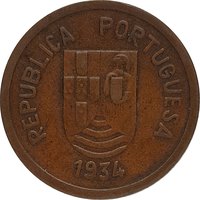
REPUBLICA PORTUGUESA
1912
1912
Translation:
Portuguese Republic
1912
1912
Script: Latin
Language: Portuguese
Reverse
Edge
Reeded
Mints
| Name | Mark |
|---|---|
| Imprensa Nacional - Casa da Moeda | — |
Mintings
| Year | Mint Mark | Mintage | Quality | Collection |
|---|---|---|---|---|
| 1912 | — | 300,000 |
Historical background
In 1912, the currency situation in Portuguese India (Goa, Daman, and Diu) was characterized by a complex and often chaotic monetary dualism. The official currency was the Portuguese Indian Rupia (divided into 16 tangas or 960 reis), which was minted specifically for the territory. However, the overwhelming economic influence of neighbouring British India meant that the British Indian Rupee and its subsidiary coins circulated widely and were often preferred in daily commerce. This created a persistent problem where the Portuguese Indian Rupia, despite being legal tender, frequently traded at a discount to its British counterpart, causing confusion and instability in local transactions.
The Portuguese administration struggled to assert the supremacy of its own currency. A key attempt to resolve this came with the monetary reform of 1906, which introduced new silver and bronze coinage for Portuguese India and aimed to firmly fix the exchange rate between the Portuguese Indian Rupia and the Portuguese escudo from the metropole. By 1912, this system was in place but remained fragile. The fixed rate did not fully address the market's preference for the stronger and more ubiquitous British Indian Rupee, which was essential for the territory's extensive trade links with Bombay and other parts of the subcontinent.
Consequently, the monetary landscape in 1912 was one of de facto bimetallism, with two major silver-based currencies competing for dominance. This situation reflected the broader geopolitical and economic reality of Portuguese India: a small European colony deeply embedded in the commercial and financial networks of the British Indian Empire. The instability and discounting of the local currency were persistent sources of complaint from merchants and a symbol of the administrative challenges Lisbon faced in governing its financially integrated, yet politically separate, Indian possessions.
The Portuguese administration struggled to assert the supremacy of its own currency. A key attempt to resolve this came with the monetary reform of 1906, which introduced new silver and bronze coinage for Portuguese India and aimed to firmly fix the exchange rate between the Portuguese Indian Rupia and the Portuguese escudo from the metropole. By 1912, this system was in place but remained fragile. The fixed rate did not fully address the market's preference for the stronger and more ubiquitous British Indian Rupee, which was essential for the territory's extensive trade links with Bombay and other parts of the subcontinent.
Consequently, the monetary landscape in 1912 was one of de facto bimetallism, with two major silver-based currencies competing for dominance. This situation reflected the broader geopolitical and economic reality of Portuguese India: a small European colony deeply embedded in the commercial and financial networks of the British Indian Empire. The instability and discounting of the local currency were persistent sources of complaint from merchants and a symbol of the administrative challenges Lisbon faced in governing its financially integrated, yet politically separate, Indian possessions.
🌱 Fairly Common