

1 rupia – Portuguese India
Add to wishlist
India
Context
Years: 1903–1904
Country: India
Issuer: Portuguese India
Ruler: Charles I
Currency:
(1880—1958)
Subdivision: 1 rupia = 16 Tangas = 192 Réis
Demonetized: Yes
Total mintage: 300,000
Material
References
KM: #
Numista: #37783
Value
Bullion value: $27.41
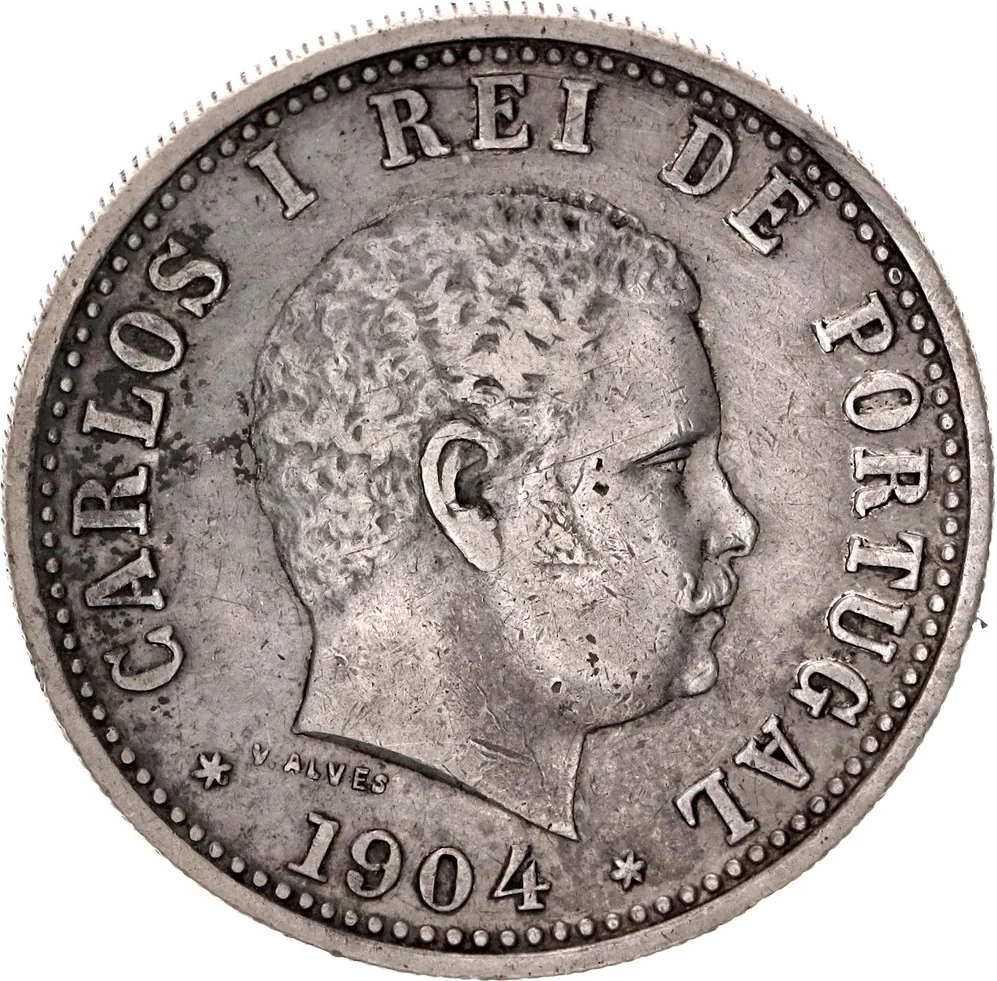
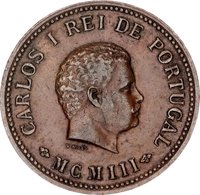
Obverse
Description:
Carlos, right profile
Inscription:
CARLOS I REI DE PORTUGAL
V.ALVES
1903
V.ALVES
1903
Translation:
CARLOS I KING OF PORTUGAL
V.ALVES
1903
V.ALVES
1903
Script: Latin
Languages: Portuguese, English
Engraver: Valancio Alves
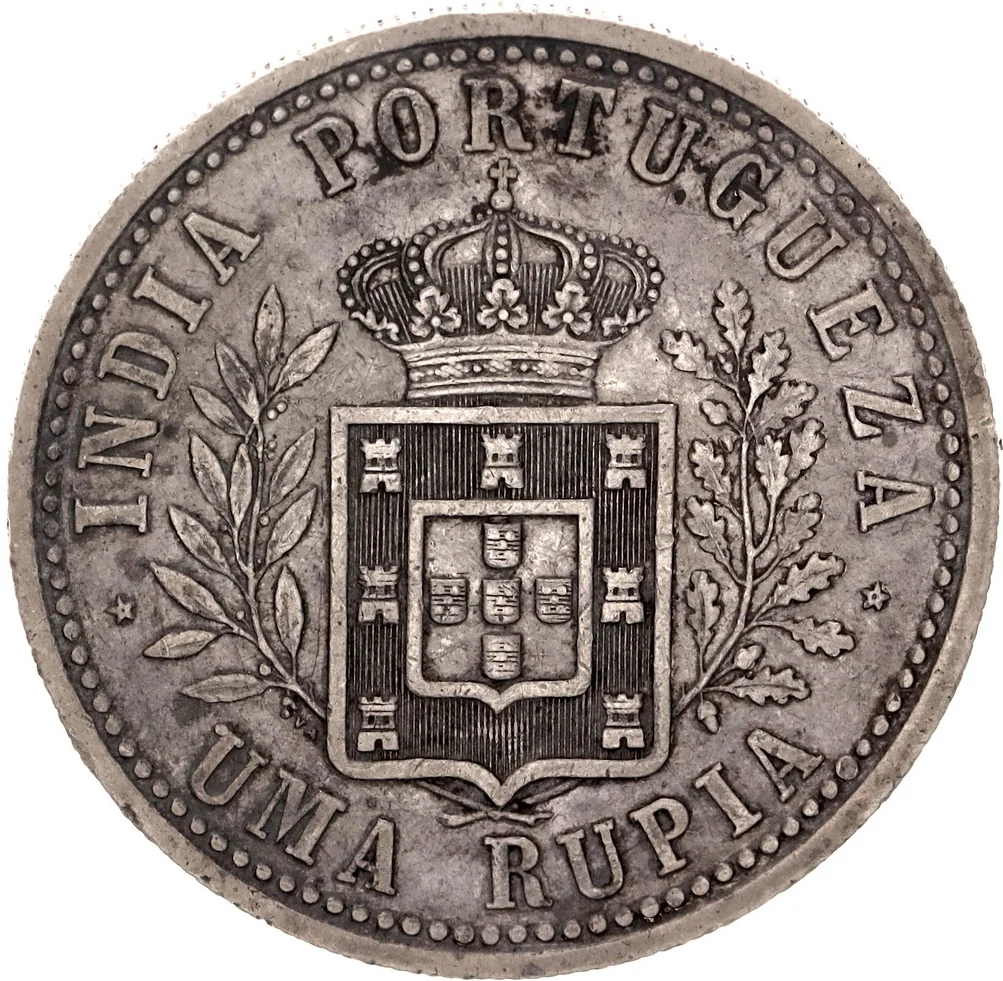
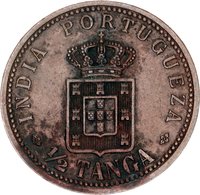
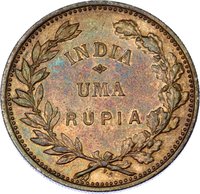
Reverse
Description:
Shield crowned, encircled by wreath.
Inscription:
INDIA PORTUGUEZA
UMA RUPIA
UMA RUPIA
Script: Latin
Engraver: Valancio Alves
Edge
Reeded
Mints
| Name | Mark |
|---|---|
| Imprensa Nacional - Casa da Moeda | — |
Mintings
| Year | Mint Mark | Mintage | Quality | Collection |
|---|---|---|---|---|
| 1903 | — | 200,000 | ||
| 1904 | — | 100,000 | ||
| 1904 | — | — | Prooflike |
Historical background
In 1903, the currency situation in Portuguese India (Goa, Daman, and Diu) was a complex and hybrid system, reflecting its position at the intersection of Portuguese colonial administration and the dominant economic sphere of British India. The official currency was the Portuguese Indian Rupia (divided into 16 tangas or 960 reis), which was minted specifically for the territory. However, in daily commerce, the British Indian Rupee circulated widely and was often preferred due to the region's deep economic integration with the Bombay Presidency. This created a de facto dual-currency environment where exchange rates between the two rupees, though officially fixed, could cause minor fluctuations and practical inconveniences.
The system was under strain, primarily due to a chronic shortage of low-denomination coins, which severely hampered everyday transactions. While silver rupees were available, the scarcity of copper and bronze fractional currency (like bazarucos) led to the use of makeshift solutions, including the continued circulation of worn-out older coins and even the cutting of coins into halves and quarters to make change. This scarcity was a persistent source of complaint from the local populace and merchants, disrupting market trade and highlighting the colonial administration's logistical and economic limitations.
Furthermore, the monetary policy was dictated from Lisbon with little regard for local economic realities. The value of the Portuguese Indian Rupia was pegged to the Portuguese milréis rather than the British Indian Rupee, a linkage that often proved disadvantageous. This, combined with the coin shortage, fueled a growing sentiment for monetary reform. By 1903, pressures were building towards the eventual and significant reform of 1906, which would decimalize the currency (creating a rupia of 100 centavos) and attempt to better align the system with practical regional needs, though British currency would continue to circulate informally for decades.
The system was under strain, primarily due to a chronic shortage of low-denomination coins, which severely hampered everyday transactions. While silver rupees were available, the scarcity of copper and bronze fractional currency (like bazarucos) led to the use of makeshift solutions, including the continued circulation of worn-out older coins and even the cutting of coins into halves and quarters to make change. This scarcity was a persistent source of complaint from the local populace and merchants, disrupting market trade and highlighting the colonial administration's logistical and economic limitations.
Furthermore, the monetary policy was dictated from Lisbon with little regard for local economic realities. The value of the Portuguese Indian Rupia was pegged to the Portuguese milréis rather than the British Indian Rupee, a linkage that often proved disadvantageous. This, combined with the coin shortage, fueled a growing sentiment for monetary reform. By 1903, pressures were building towards the eventual and significant reform of 1906, which would decimalize the currency (creating a rupia of 100 centavos) and attempt to better align the system with practical regional needs, though British currency would continue to circulate informally for decades.
🌱 Fairly Common