Logo Title
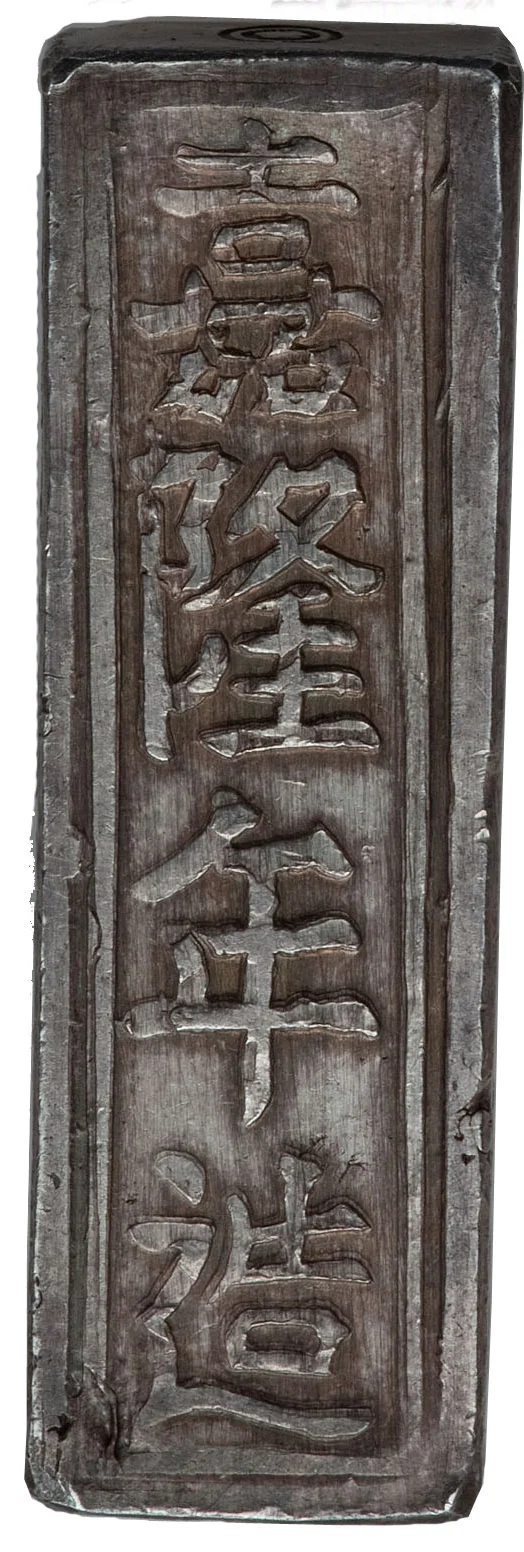
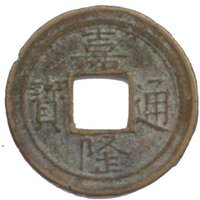
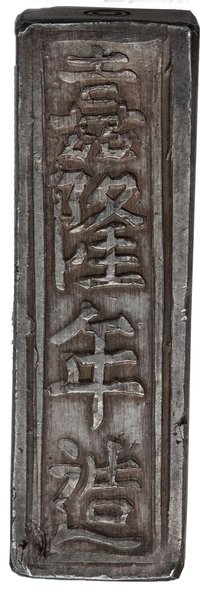
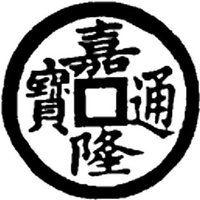
obverse
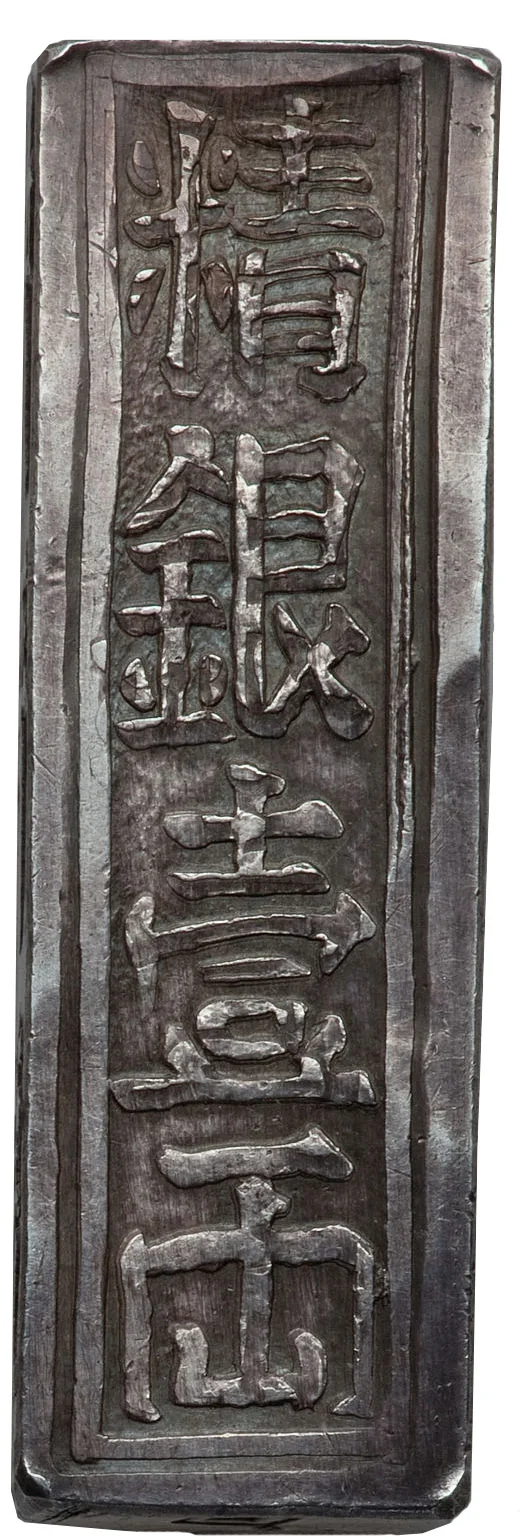
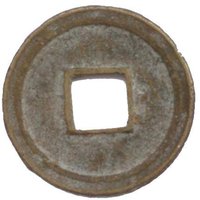
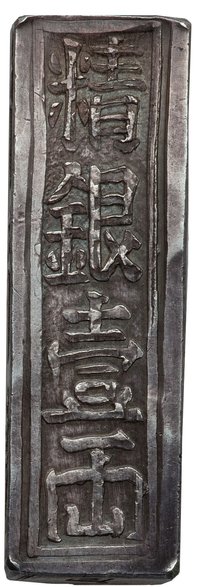
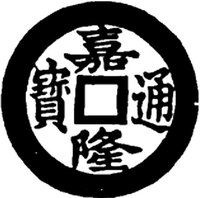
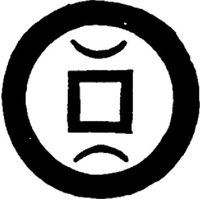
reverse
Heritage Auctions
Context
Years: 1802–1820
Country: Vietnam Country flag
Ruler: Gia Long
Currency:
(1400—1945)
Demonetized: Yes
Material
Weight: 37.94 g
Silver weight: 37.94 g
Composition: Silver
Magnetic: No
References
KM: #Click to copy to clipboard179
Numista: #51825
Value
Bullion value: $107.32

Obverse

Inscription:
嘉隆年造
Translation:
Made in the Jia Long period.
Language: Chinese

Reverse

Inscription:
精銀壹両
Translation:
One tael of fine silver.
Language: Chinese

Edge

Mintings

YearMint MarkMintageQualityCollection

Historical background

In 1802, Emperor Gia Long unified Vietnam and founded the Nguyễn Dynasty, inheriting a complex monetary landscape. The preceding centuries had seen the circulation of both domestically cast coins and a substantial influx of Chinese cash coins through trade. Furthermore, the prolonged period of civil war between the Nguyễn and Tây Sơn factions had disrupted economic stability and coinage systems, leading to a mixture of older Vietnamese issues, Tây Sơn coins, and foreign currencies in use.

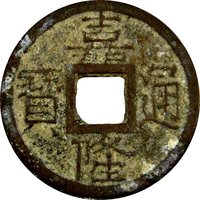
Upon consolidation of power, Gia Long immediately sought to standardize the currency as a key act of imperial authority and economic control. His government began casting its own distinctive round copper-alloy cash coins, marked with the reign name "Gia Thông" (later changed to "Gia Long"). These coins, with a square central hole, followed the traditional East Asian model and were intended to be the primary legal tender. Their production served not only economic needs but also as a potent symbol of a new, unified political order, displacing the coinage of the defeated Tây Sơn.

However, the Empire's currency situation remained practically multifaceted. While the new imperial coinage was established, the widespread use of Chinese cash coins and older Vietnamese issues persisted in daily commerce due to familiarity and established value. The state also recognized silver, particularly in the form of bars and Mexican silver dollars brought by European traders, as a higher-value medium for larger transactions and state treasury reserves. Thus, the monetary system in 1802 was in a transitional phase, characterized by a deliberate imperial drive for standardization coexisting with a de facto multi-currency reality rooted in regional trade and recent history.

Series: 1802 Empire of Vietnam circulation coins

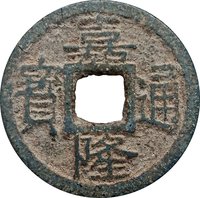
1 Cash obverse
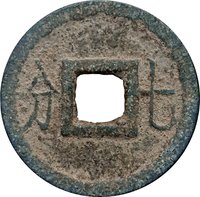
1 Cash reverse
1 Cash
1802-1820
1 Cash obverse
1 Cash reverse
1 Cash
1802-1820
1 Cash obverse
1 Cash reverse
1 Cash
1802-1820
1 Cash obverse
1 Cash reverse
1 Cash
1802-1820
1 Lang obverse
1 Lang reverse
1 Lang
1802-1820
1 Cash obverse
1 Cash reverse
1 Cash
1802-1820
1 Cash obverse
1 Cash reverse
1 Cash
1802-1820
💎 Extremely Rare