

10 centimes – Belgium
Add to wishlist
Belgium
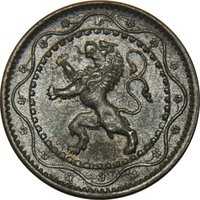
Obverse
Description:
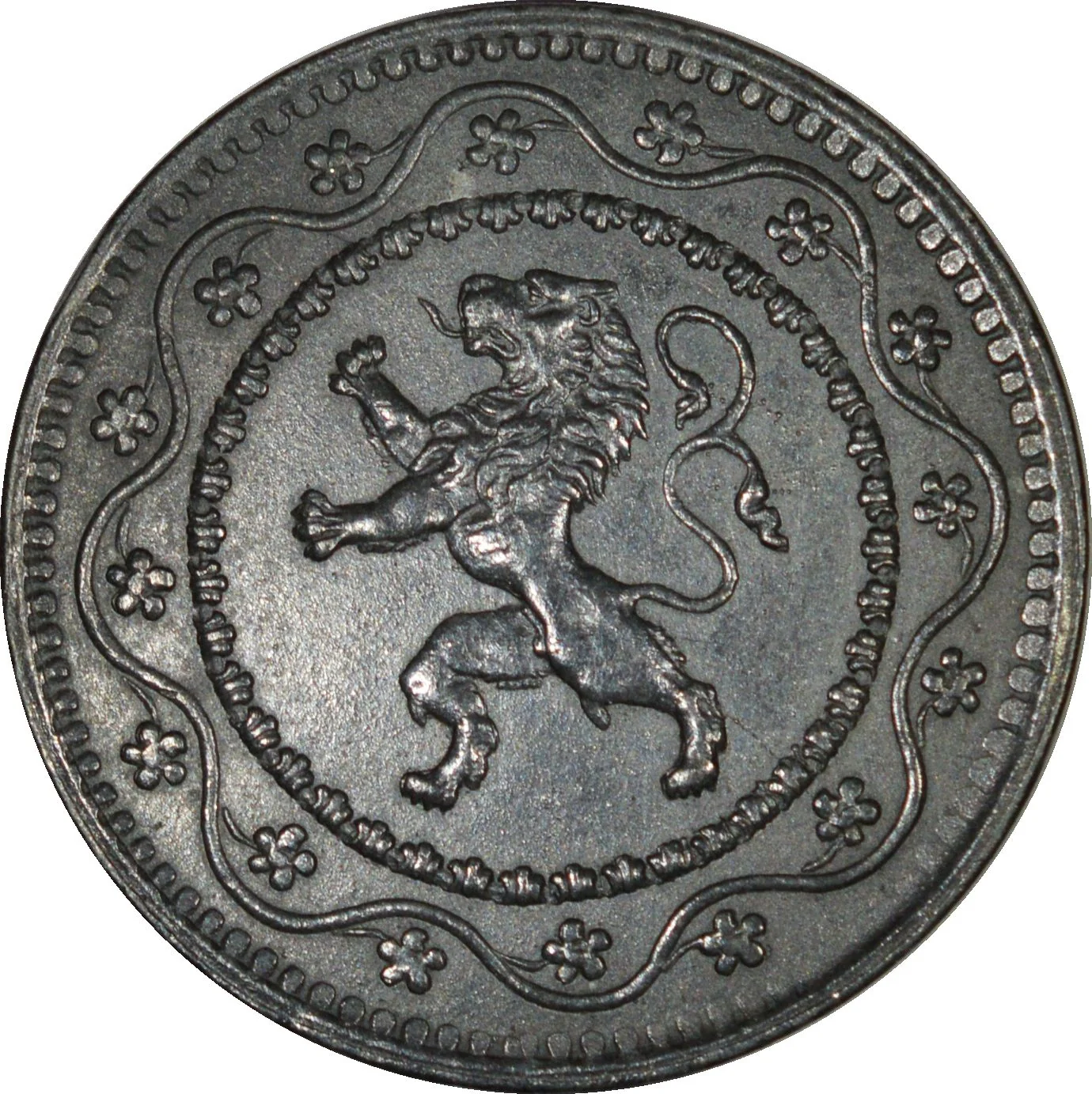
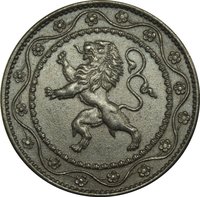
A heraldic lion encircled by a wavy line and sixteen flowers.
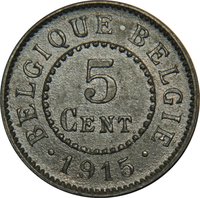
Reverse
Edge
Plain
Mints
| Name | Mark |
|---|---|
| Royal Mint of Belgium | — |
Mintings
| Year | Mint Mark | Mintage | Quality | Collection |
|---|---|---|---|---|
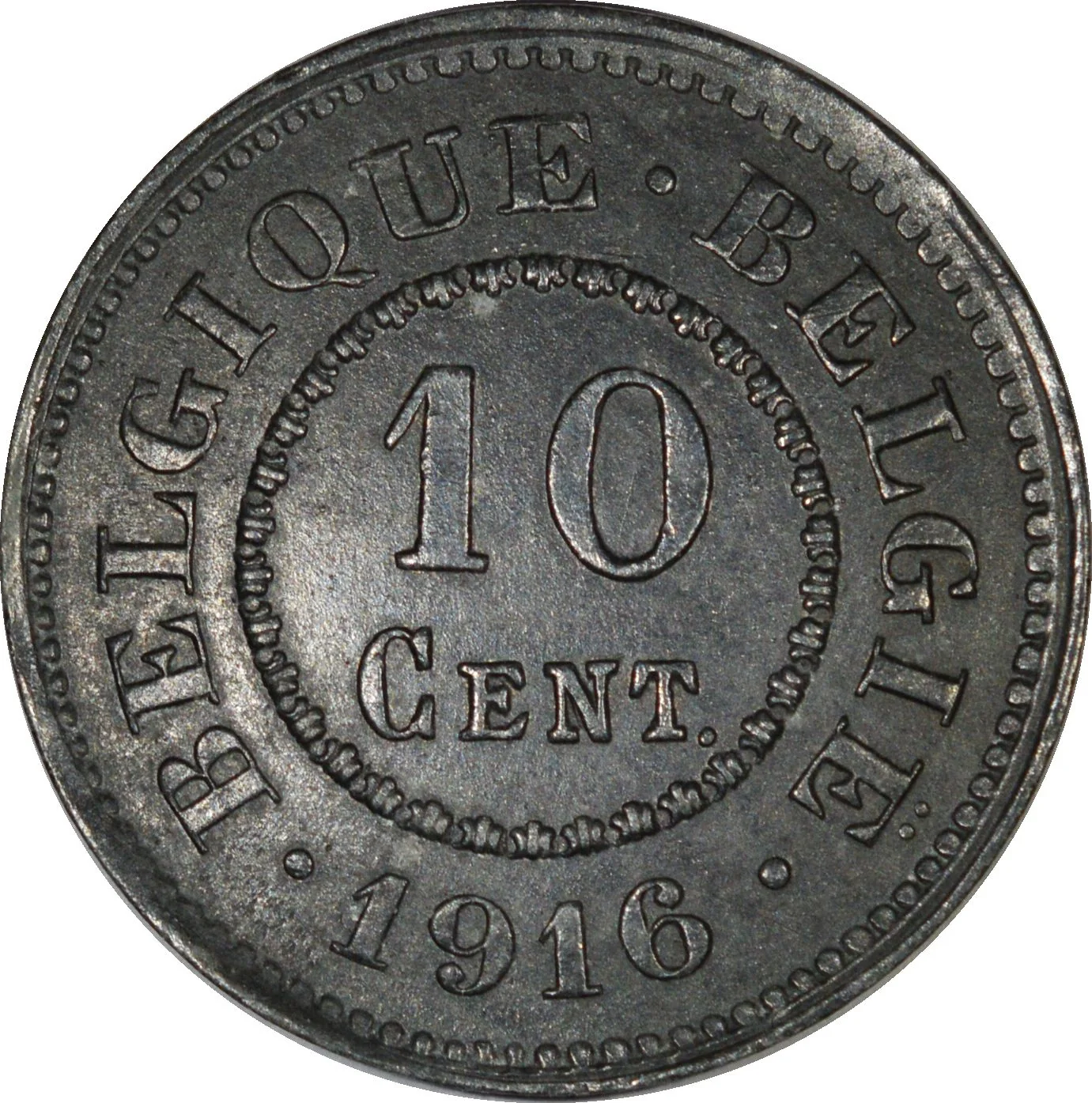
| 1915 | — | 9,681,224 | ||
| 1916 | — | 37,382,011 | ||
| 1917 | — | — |
Historical background
In 1915, Belgium found itself in a unique and precarious monetary situation as a nation under full German military occupation since late 1914. The pre-war Belgian franc remained the official currency, but its stability was severely undermined. The German authorities, operating through the Generalgouvernement Belgien, systematically requisitioned Belgian resources and imposed massive war indemnities, effectively draining the economy. To finance these payments, the Belgian National Bank was forced to issue significant new currency without sufficient gold backing, leading to growing inflation and a loss of public confidence in the franc's value.
Alongside this devaluation, a complex dual-currency system emerged in daily life. The German Mark was introduced as legal tender and circulated widely, particularly for transactions with the occupation authorities and for the purchase of goods directly commandeered by German forces. For the Belgian population, however, the franc remained the preferred medium of exchange for local commerce, creating a volatile and confusing financial environment. The exchange rate between the two currencies was artificially set by the German administration, often to their advantage, further extracting wealth from the occupied territory.
This monetary chaos was compounded by broader economic distress. Industrial and agricultural production was disrupted, leading to shortages and a thriving black market where prices soared. The Belgian government-in-exile in Le Havre, though largely powerless to intervene directly, was deeply concerned about the inflationary spiral eroding the nation's financial foundations. Thus, the currency situation of 1915 was not merely a technical economic issue but a central facet of the "war of attrition" on the home front, where financial pressure became a key tool of occupation policy and a daily struggle for survival for the Belgian populace.
Alongside this devaluation, a complex dual-currency system emerged in daily life. The German Mark was introduced as legal tender and circulated widely, particularly for transactions with the occupation authorities and for the purchase of goods directly commandeered by German forces. For the Belgian population, however, the franc remained the preferred medium of exchange for local commerce, creating a volatile and confusing financial environment. The exchange rate between the two currencies was artificially set by the German administration, often to their advantage, further extracting wealth from the occupied territory.
This monetary chaos was compounded by broader economic distress. Industrial and agricultural production was disrupted, leading to shortages and a thriving black market where prices soared. The Belgian government-in-exile in Le Havre, though largely powerless to intervene directly, was deeply concerned about the inflationary spiral eroding the nation's financial foundations. Thus, the currency situation of 1915 was not merely a technical economic issue but a central facet of the "war of attrition" on the home front, where financial pressure became a key tool of occupation policy and a daily struggle for survival for the Belgian populace.
Series: 1915 Belgium circulation coins
🌱 Very Common