

1 Crown – Turks and Caicos Islands
United Kingdom
Context
Year: 1986
Country: United Kingdom 
Issuer: Turks and Caicos Islands
Ruler: Elizabeth II
Currency:
(since 1969)
Material
Diameter: 38.6 mm
Weight: 28 g
Thickness: 3 mm
Shape: Round
Composition: Copper-nickel
Technique: Milled
Alignment: Medal alignment
flip
References
KM: #Click to copy to clipboard122
Numista: #51005
Obverse
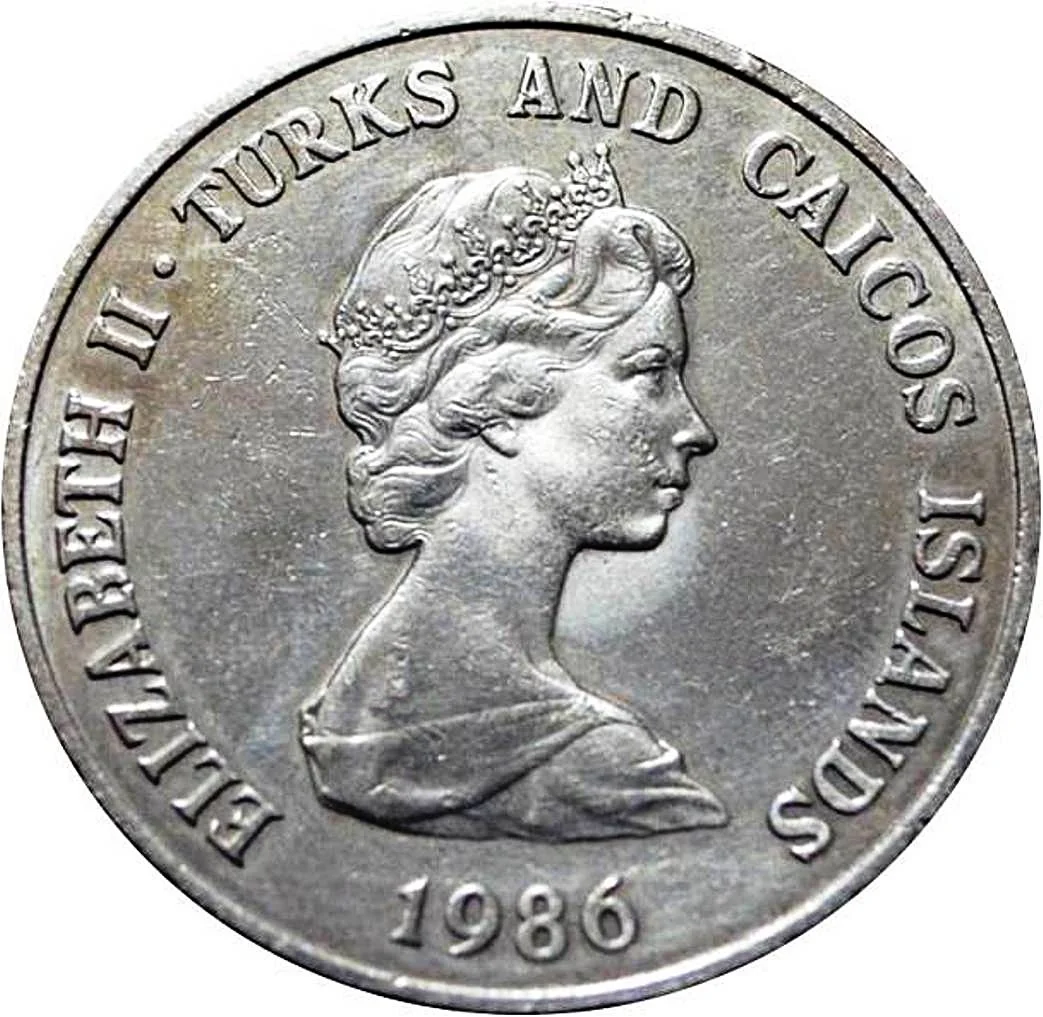
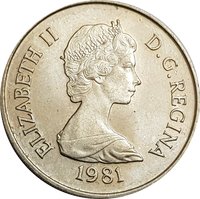
Description:
Queen Elizabeth II right-facing bust, date beneath.
Inscription:
ELIZABETH II · TURKS AND CAICOS ISLANDS
1986
1986
Translation:
ELIZABETH II · TURKS AND CAICOS ISLANDS
1986
1986
Script: Latin
Language: English
Engraver: Arnold Machin
Reverse
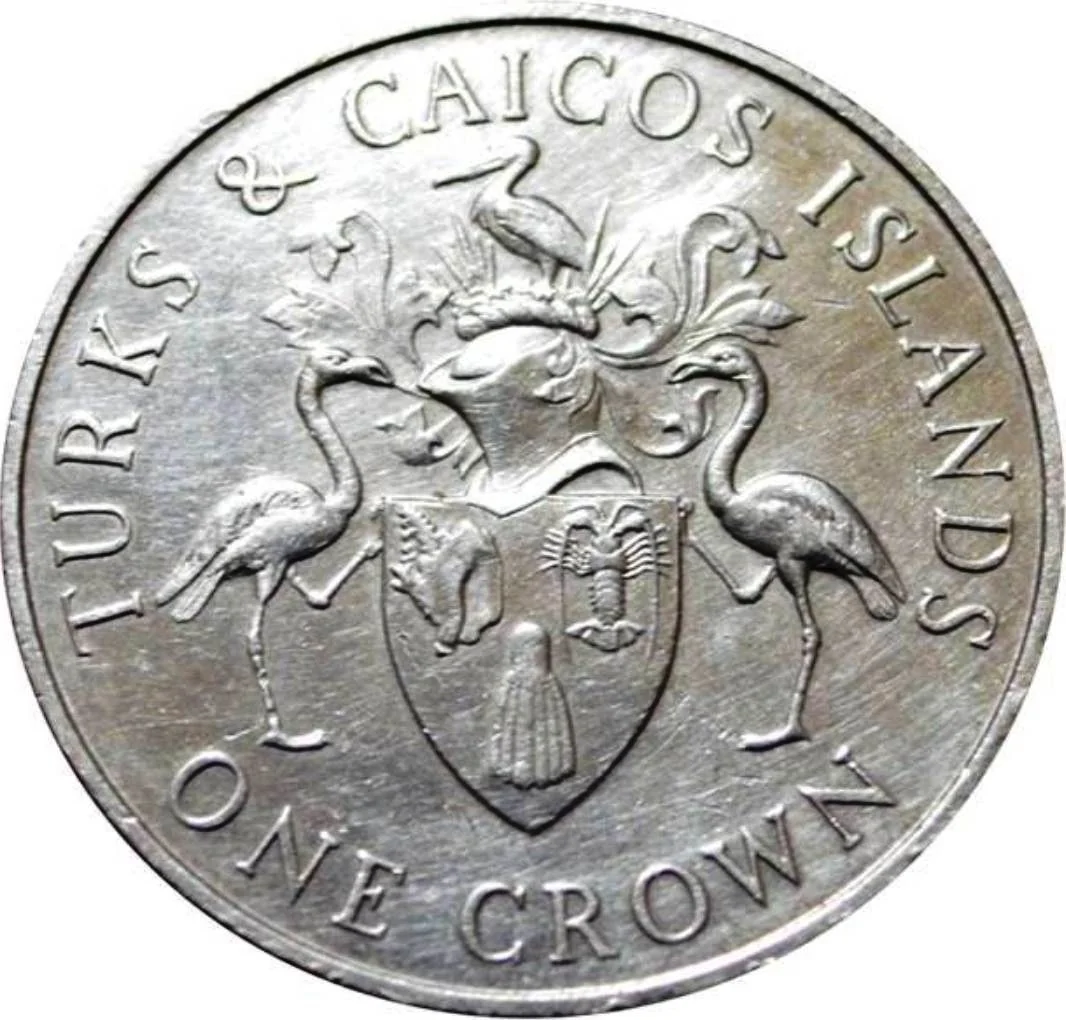
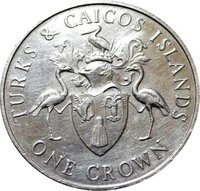
Description:
Coat of arms above denomination.
Inscription:
TURKS & CAICOS ISLANDS
ONE CROWN
ONE CROWN
Script: Latin
Edge
Reeded
Categories
| Animal> Bird |
| Symbols> Coat of Arms |
Mintings
| Year | Mint Mark | Mintage | Quality | Collection |
|---|---|---|---|---|
| 1986 | — | — |
Historical background
In 1986, the currency situation in the Turks and Caicos Islands (TCI) was defined by its continued use of the United States dollar (USD) as the official legal tender. This arrangement had been formally established in 1973, replacing the British pound sterling, and was a pragmatic reflection of the islands' deep economic and geographic ties to the United States. Proximity to Florida, a tourism industry primarily catering to American visitors, and significant US investment made the dollar the most logical and stable medium of exchange, simplifying transactions and fostering economic confidence.
There was no local issuing authority for banknotes or coins; all physical currency in circulation was US Federal Reserve notes. The British government, as the overseeing colonial power (the islands were a British Dependent Territory at the time), endorsed this dollarization policy as it provided monetary stability without requiring the establishment of a central bank or a separate, potentially vulnerable, national currency. The economy was small, open, and vulnerable to external shocks, so anchoring to the USD helped mitigate inflation and exchange rate risks.
The year 1986 fell within a period of relative consistency for TCI's monetary system, with no major changes or crises specific to currency that year. The primary financial discussions in the territory during the mid-1980s were more focused on broader economic development, expanding the tourism and offshore finance sectors, and administrative governance rather than on altering the fundamental currency peg. Thus, the situation was one of stable dependency, with the US dollar serving as the unchallenged pillar of daily commerce and financial activity.
There was no local issuing authority for banknotes or coins; all physical currency in circulation was US Federal Reserve notes. The British government, as the overseeing colonial power (the islands were a British Dependent Territory at the time), endorsed this dollarization policy as it provided monetary stability without requiring the establishment of a central bank or a separate, potentially vulnerable, national currency. The economy was small, open, and vulnerable to external shocks, so anchoring to the USD helped mitigate inflation and exchange rate risks.
The year 1986 fell within a period of relative consistency for TCI's monetary system, with no major changes or crises specific to currency that year. The primary financial discussions in the territory during the mid-1980s were more focused on broader economic development, expanding the tourism and offshore finance sectors, and administrative governance rather than on altering the fundamental currency peg. Thus, the situation was one of stable dependency, with the US dollar serving as the unchallenged pillar of daily commerce and financial activity.
🌟 Limited