

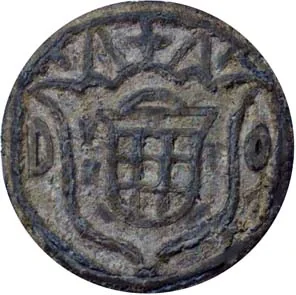
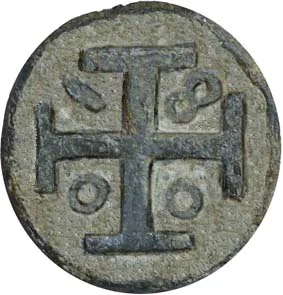
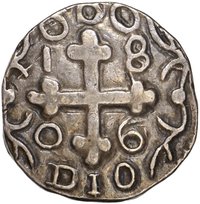
5 bazarucos – Portuguese India
Add to wishlist
India
Context
Years: 1800–1807
Country: India
Issuer: Portuguese India
Issuing organization: Casa da Moeda de Diu
Ruler: Maria I
Currency:
(1706—1880)
Demonetized: Yes
Material
References
Numista: #50948
Mintings
| Year | Mint Mark | Mintage | Quality | Collection |
|---|---|---|---|---|
| 1800 | D-O | — | ||
| 1801 | D-O | — | ||
| 1807 | D-O | — |
Historical background
At the dawn of the 19th century, the currency situation in Portuguese India (primarily Goa, Daman, and Diu) was a complex and fragmented mosaic, reflecting its dual role as a colonial outpost and a participant in vibrant Indian Ocean trade networks. The official currency was the Portuguese réis, but its practical circulation was limited, primarily used for government accounts and trade with Lisbon. The real lifeblood of everyday commerce and significant trade was a diverse array of foreign coins, with the silver Portuguese Indian rupia (first minted in Goa in the late 18th century) striving to become a local standard. However, it competed incessantly with other powerful silver currencies that flowed through the ports, most notably the Spanish real de a ocho (Spanish dollar) and various Indian rupees from neighbouring Maratha and Mughal territories.
This monetary pluralism created a chronic environment of instability and calculation complexity. Exchange rates between these various silver coins, as well as gold mohurs and low-value copper bazarucos for small change, fluctuated based on weight, purity, and demand. The problem was exacerbated by the widespread practice of clipping and adulterating coins, leading to distrust and the frequent need for assaying. Furthermore, the Portuguese administration often struggled with liquidity, unable to inject sufficient quantities of standardized coinage into the economy to unify the system, leading to periodic shortages of acceptable currency.
Ultimately, the currency chaos of 1800s Portuguese India was a direct manifestation of its geopolitical and economic position. It highlighted Lisbon's weakening control and the territory's deep integration into regional Asian trade circuits, where merchant networks and bazaar economics often held more sway than colonial decrees. This unstable system would persist until a more concerted effort at standardization in the latter half of the 19th century, but at the turn of the century, the monetary landscape remained a confusing but dynamic testament to Goa's role as a crossroads.
This monetary pluralism created a chronic environment of instability and calculation complexity. Exchange rates between these various silver coins, as well as gold mohurs and low-value copper bazarucos for small change, fluctuated based on weight, purity, and demand. The problem was exacerbated by the widespread practice of clipping and adulterating coins, leading to distrust and the frequent need for assaying. Furthermore, the Portuguese administration often struggled with liquidity, unable to inject sufficient quantities of standardized coinage into the economy to unify the system, leading to periodic shortages of acceptable currency.
Ultimately, the currency chaos of 1800s Portuguese India was a direct manifestation of its geopolitical and economic position. It highlighted Lisbon's weakening control and the territory's deep integration into regional Asian trade circuits, where merchant networks and bazaar economics often held more sway than colonial decrees. This unstable system would persist until a more concerted effort at standardization in the latter half of the 19th century, but at the turn of the century, the monetary landscape remained a confusing but dynamic testament to Goa's role as a crossroads.

✨ Legendary