

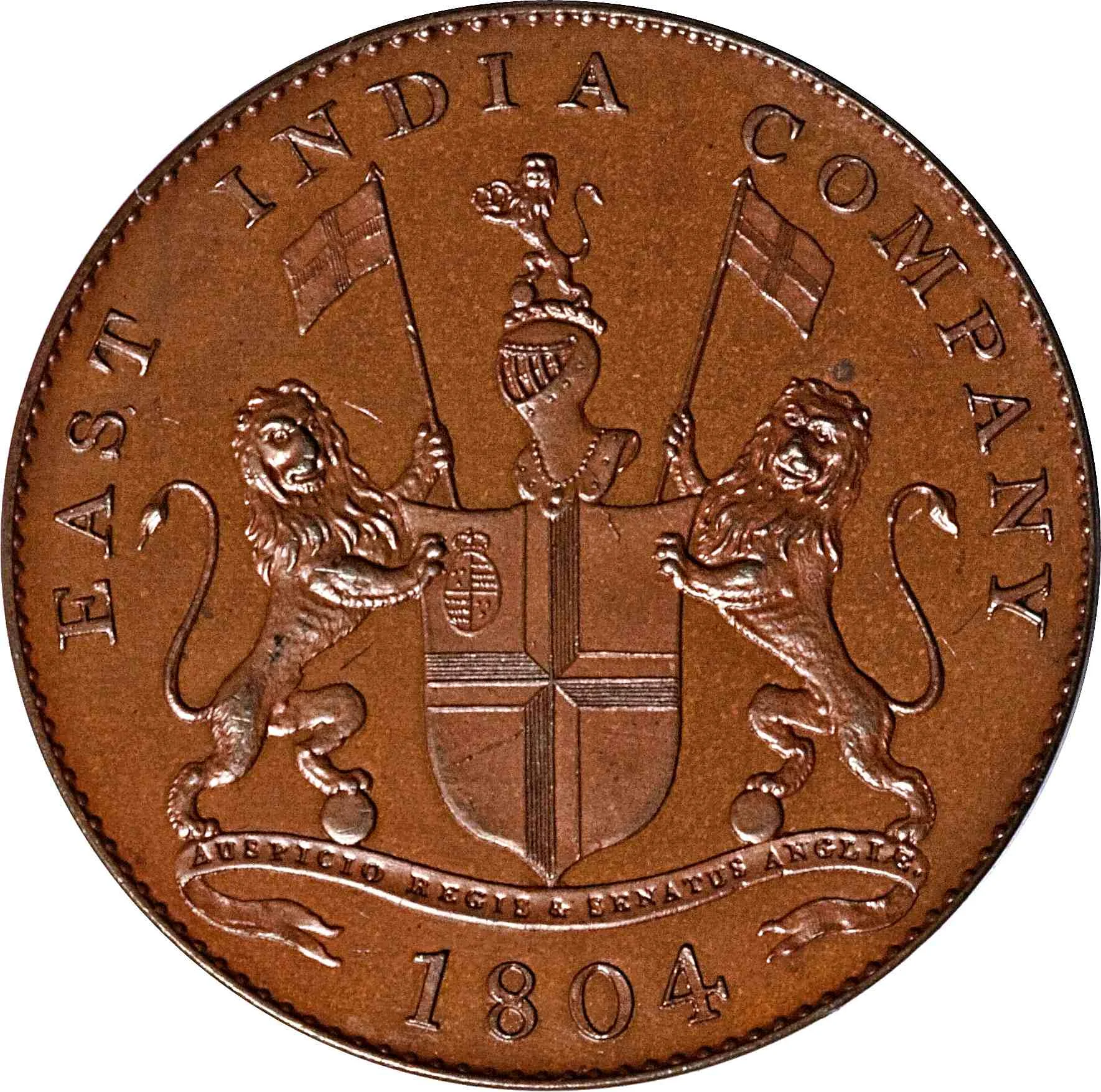
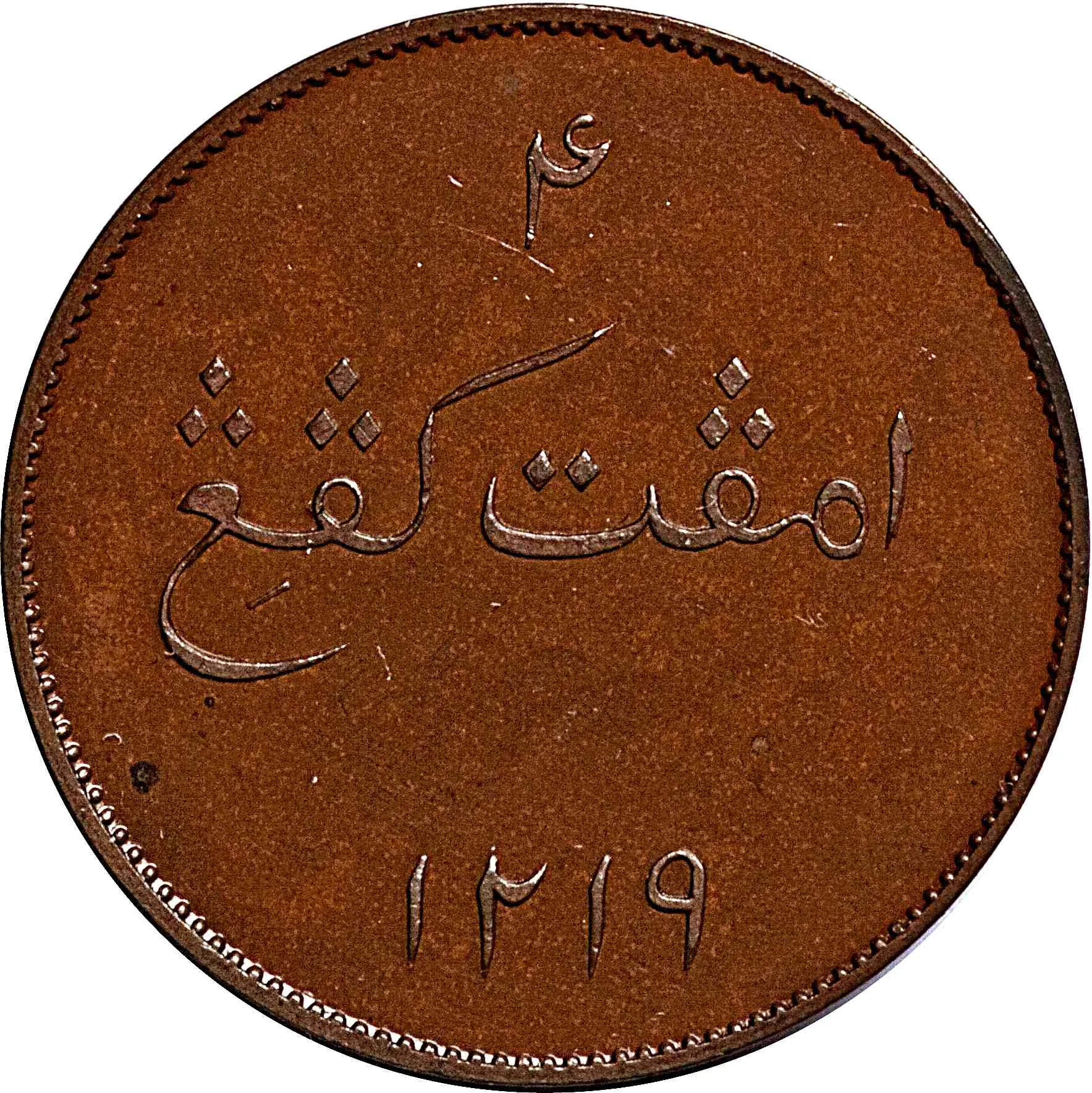
4 kepings – Sumatra
Add to wishlist
Context
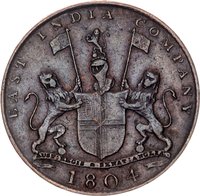
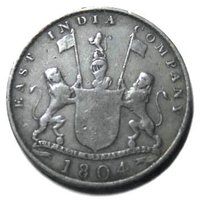
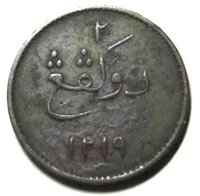
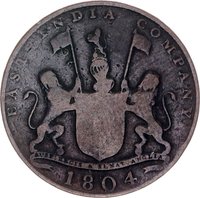
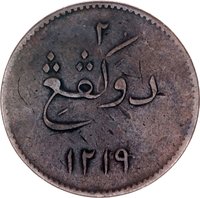
Year: 1804
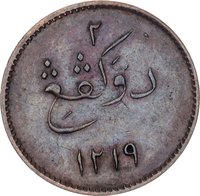
Islamic (Hijri) Year:: 1219
Country: British East Indies
Issuer: Sumatra
Currency:
(1783—1824)
Demonetized: Yes
Material
References
KM: #
Numista: #50934
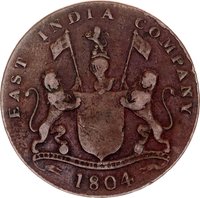
Obverse
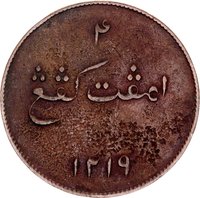
Reverse
Edge
Mints
| Name | Mark |
|---|---|
| Soho Mint | — |
Mintings
| Year | Mint Mark | Mintage | Quality | Collection |
|---|---|---|---|---|
| 1804 | — | — | Proof | |
| 1804 | — | — |
Historical background
In 1804, the currency situation in Sumatra was complex and fragmented, reflecting the island's political divisions under both indigenous rule and European colonial influence. The interior highlands, home to independent Minangkabau and Batak societies, largely operated on traditional systems using commodity money. These included gold dust (measured in mas and suku), Spanish silver dollars (pillar dollars), and barter goods like pepper and salt, which facilitated both local trade and the highland-to-coast exchange networks.
Along the coast, the picture was dominated by the Dutch East India Company (VOC), which, though bankrupt and formally dissolved in 1799, had its assets and territories administered by the Dutch state. Key ports like Padang, Palembang, and Bengkulu (under British control until 1814) were nodes in the international spice and pepper trade. Here, a multitude of silver coins circulated, primarily Spanish and Mexican dollars, alongside Dutch duiten and stuivers, and various Indian and Chinese coins brought by merchants. The British presence in Bencoolen (Bengkulu) also introduced East India Company rupees, adding another layer of monetary variety.
This chaotic multiplicity of coins led to significant problems. Exchange rates fluctuated wildly between ports and the interior, hindering smooth commerce. Both the emerging Dutch administration and local rulers struggled with coin shortages and widespread counterfeiting, which eroded trust. Consequently, 1804 represents a period of monetary transition and instability, caught between decaying VOC systems, competing colonial ambitions, and resilient indigenous economic practices, all of which would be further disrupted by the Napoleonic Wars' impact on global trade routes.
Along the coast, the picture was dominated by the Dutch East India Company (VOC), which, though bankrupt and formally dissolved in 1799, had its assets and territories administered by the Dutch state. Key ports like Padang, Palembang, and Bengkulu (under British control until 1814) were nodes in the international spice and pepper trade. Here, a multitude of silver coins circulated, primarily Spanish and Mexican dollars, alongside Dutch duiten and stuivers, and various Indian and Chinese coins brought by merchants. The British presence in Bencoolen (Bengkulu) also introduced East India Company rupees, adding another layer of monetary variety.
This chaotic multiplicity of coins led to significant problems. Exchange rates fluctuated wildly between ports and the interior, hindering smooth commerce. Both the emerging Dutch administration and local rulers struggled with coin shortages and widespread counterfeiting, which eroded trust. Consequently, 1804 represents a period of monetary transition and instability, caught between decaying VOC systems, competing colonial ambitions, and resilient indigenous economic practices, all of which would be further disrupted by the Napoleonic Wars' impact on global trade routes.
Series: 1804 Sumatra circulation coins
💎 Very Rare