

10 Centavos – Colombia
Colombia
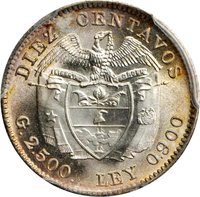
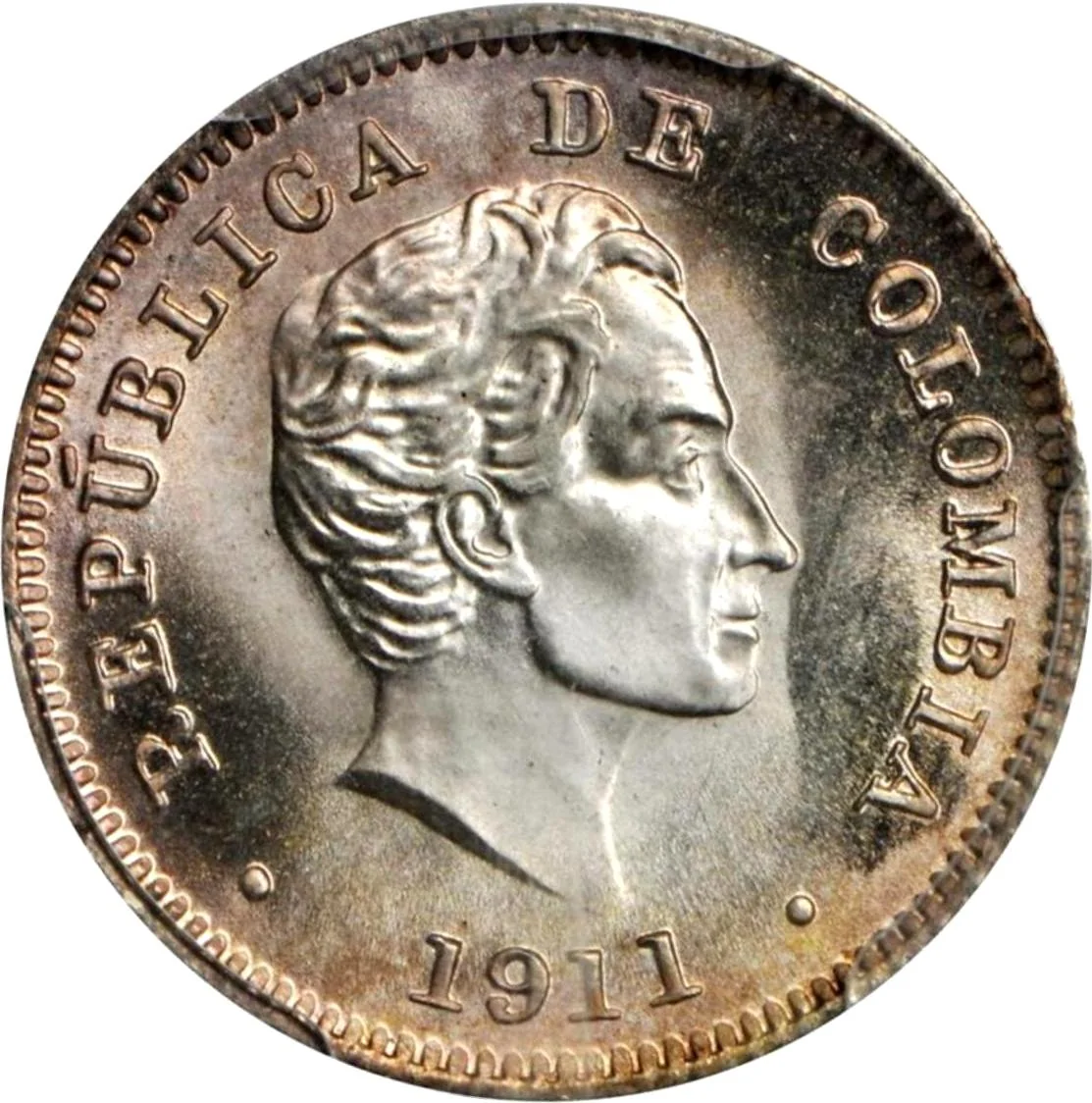
Obverse
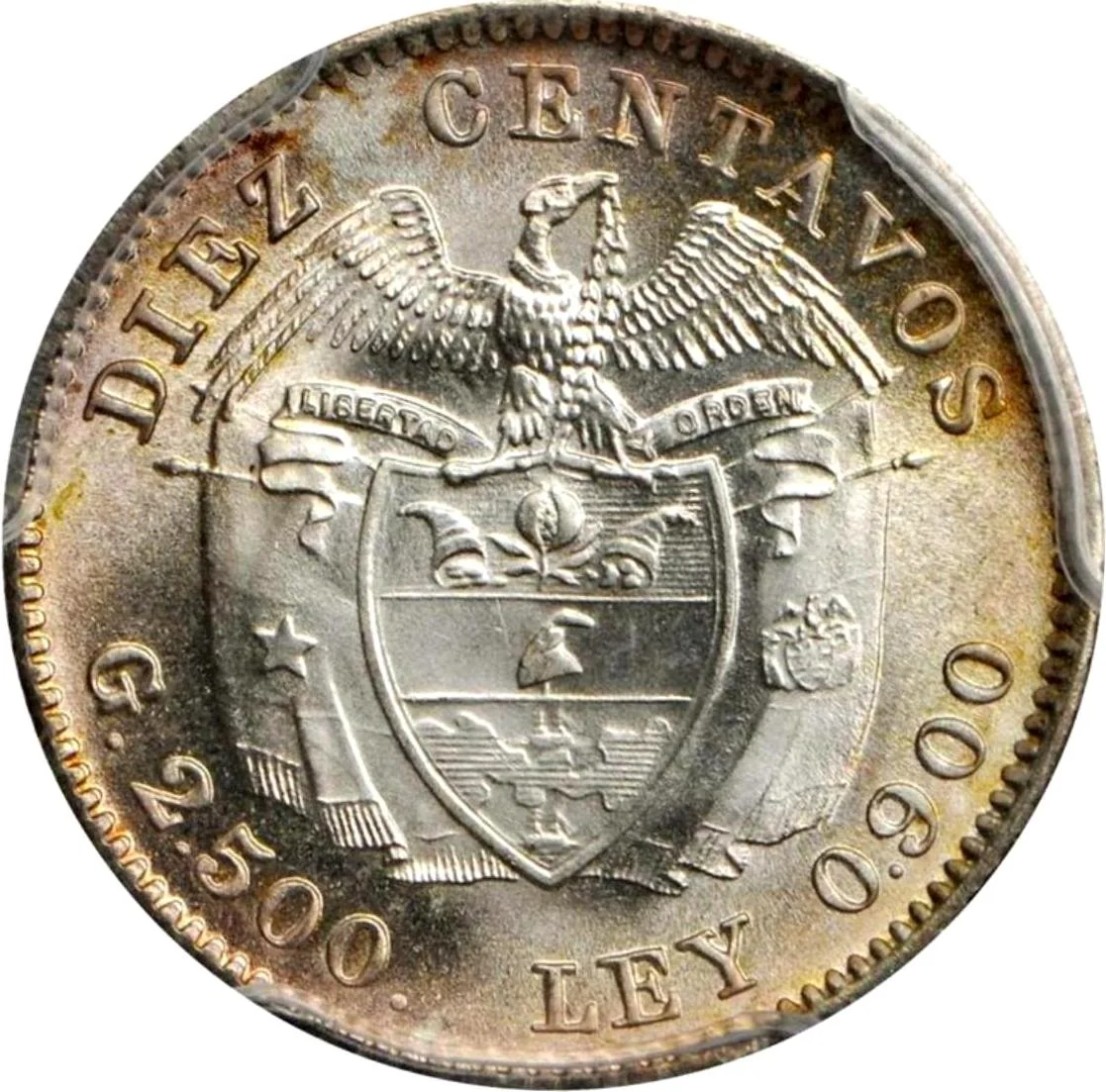
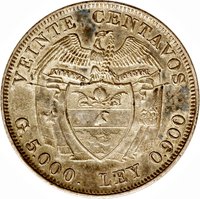
Reverse
Edge
Reeded
Categories
| Symbols> Coat of Arms |
| Person> Politician |
Mints
| Name | Mark |
|---|---|
| Heaton and Sons / The Mint Birmingham | — |
| Bogota Mint | B |
Mintings
Historical background
In 1911, Colombia's currency system was in a state of transition and regional fragmentation, still grappling with the economic and political aftermath of the Thousand Days' War (1899–1902). The conflict had devastated the national economy, severely depleting the central government's coffers and leading to a proliferation of paper money issued not only by the Banco Nacional but also by numerous private banks and even departmental (state) governments. This resulted in a complex and often chaotic monetary landscape where the value and acceptance of banknotes varied greatly depending on their origin, undermining national economic integration and price stability.
The official currency was the Colombian peso, but its backing was a central issue. The country operated on a de facto silver standard, though the theoretical gold standard established by the 1903 Monetary Law was aspirational. Much of the circulating paper money was inconvertible, meaning it could not be reliably exchanged for precious metal at face value, leading to significant depreciation and loss of public confidence. Furthermore, the instability prompted widespread use of foreign currencies, particularly the British pound sterling and the U.S. dollar, in major commercial transactions, especially within the booming coffee export sector.
Recognizing the urgent need for reform, the government of President Carlos E. Restrepo was actively laying the groundwork for a centralized and modern monetary system. This culminated in the creation of the Banco de la República in 1923, but the efforts of 1911 were crucial precursors. Key steps included legislative attempts to consolidate control over money issuance and to retire depreciated notes, aiming to establish a uniform national currency managed by a single, stronger central banking authority to foster stability and support the country's growing export-led economic recovery.
The official currency was the Colombian peso, but its backing was a central issue. The country operated on a de facto silver standard, though the theoretical gold standard established by the 1903 Monetary Law was aspirational. Much of the circulating paper money was inconvertible, meaning it could not be reliably exchanged for precious metal at face value, leading to significant depreciation and loss of public confidence. Furthermore, the instability prompted widespread use of foreign currencies, particularly the British pound sterling and the U.S. dollar, in major commercial transactions, especially within the booming coffee export sector.
Recognizing the urgent need for reform, the government of President Carlos E. Restrepo was actively laying the groundwork for a centralized and modern monetary system. This culminated in the creation of the Banco de la República in 1923, but the efforts of 1911 were crucial precursors. Key steps included legislative attempts to consolidate control over money issuance and to retire depreciated notes, aiming to establish a uniform national currency managed by a single, stronger central banking authority to foster stability and support the country's growing export-led economic recovery.
🌱 Common