

1 pagoda – Madras Presidency
Add to wishlist
India
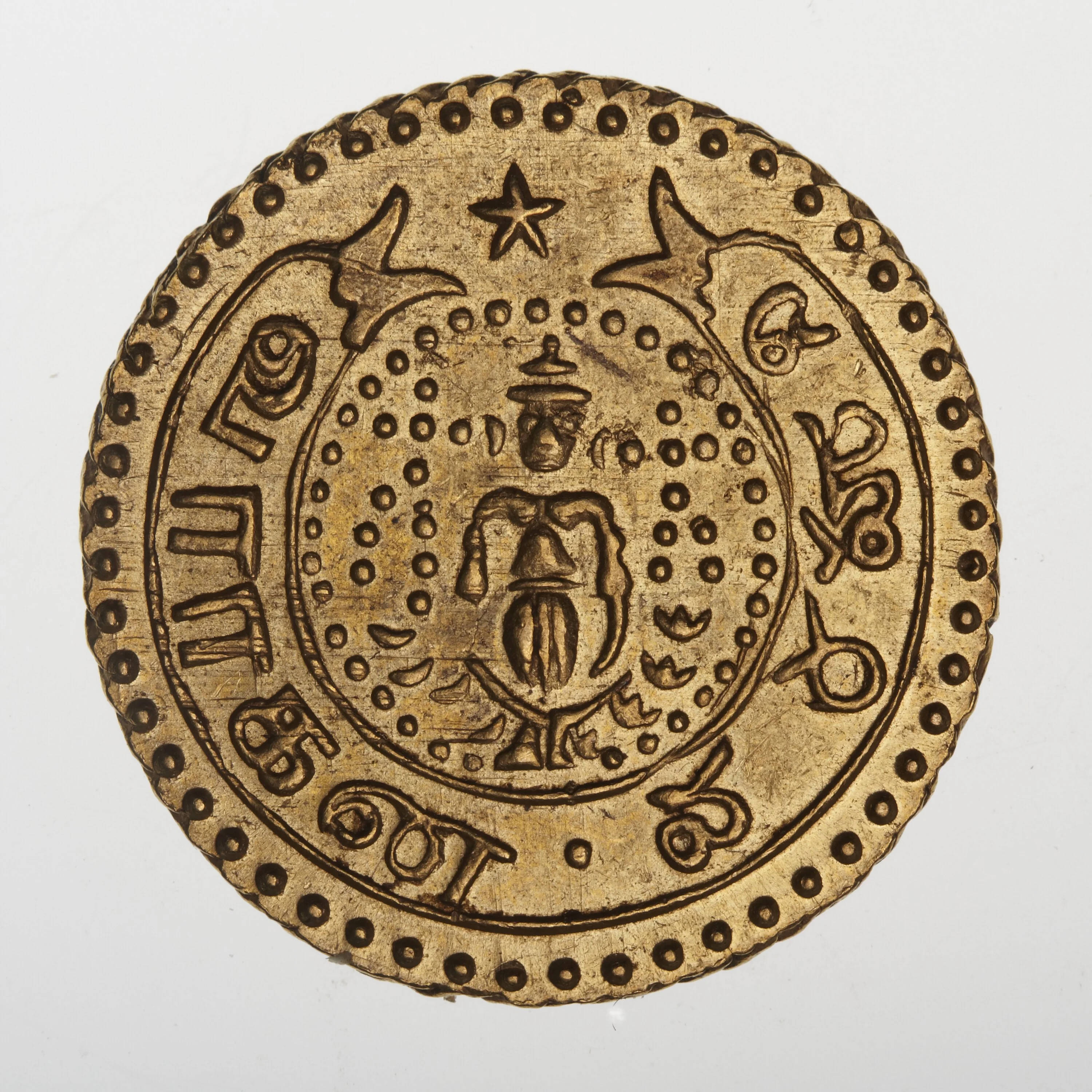
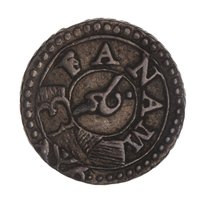
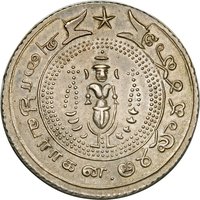
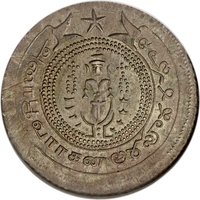
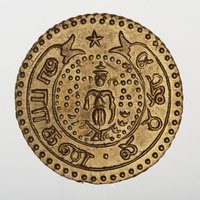
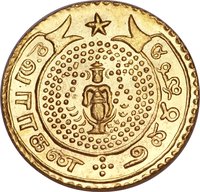
Obverse
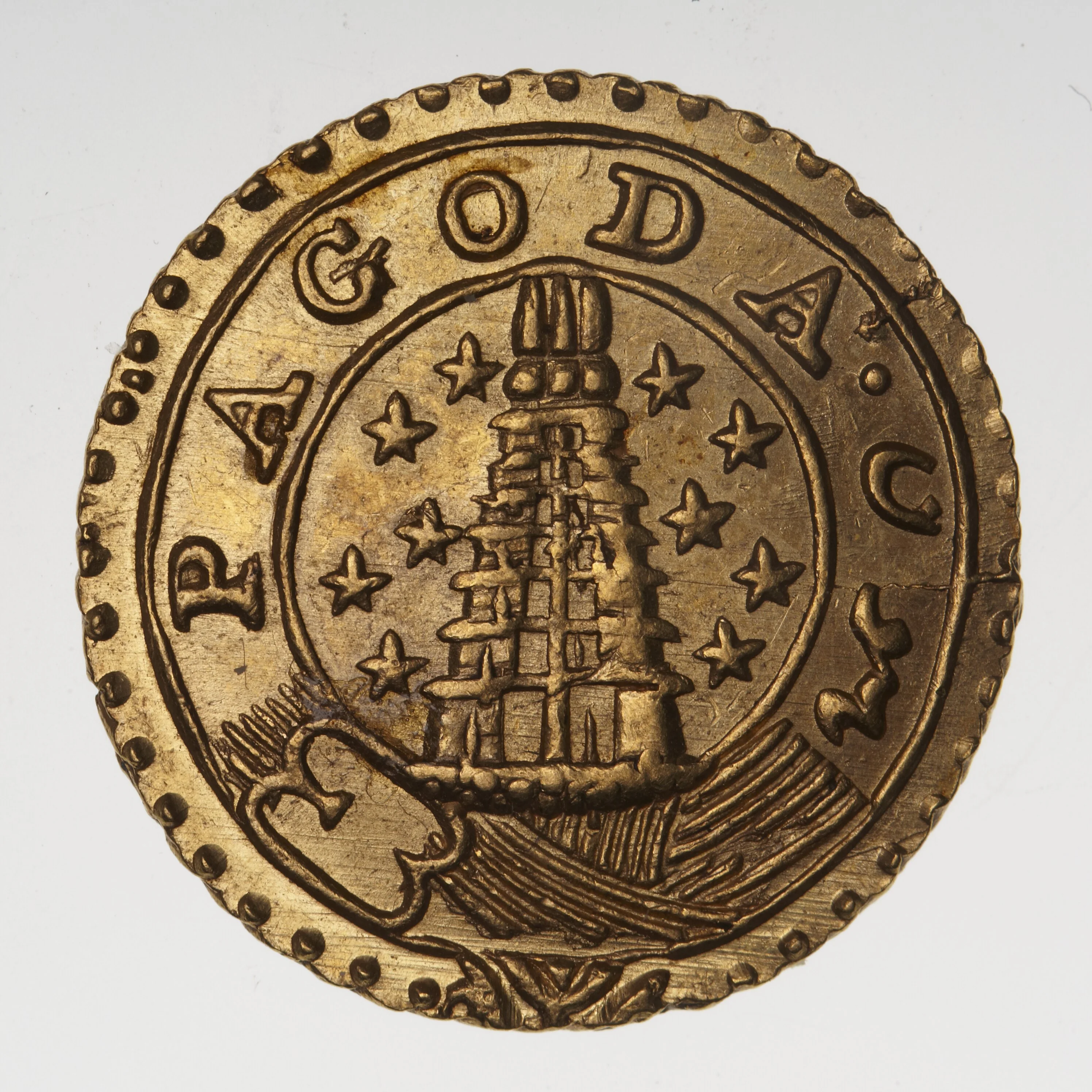
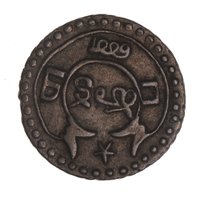
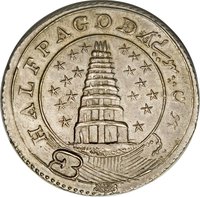
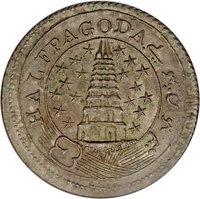
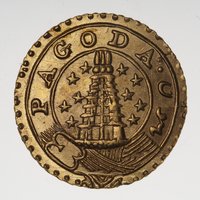
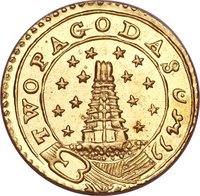
Reverse
Edge
Mintings
| Year | Mint Mark | Mintage | Quality | Collection |
|---|---|---|---|---|
| — | — | — |
Historical background
In 1808, the currency situation in the Madras Presidency was one of profound complexity and instability, characterized by a chaotic multiplicity of circulating mediums. The official currency was the silver Star Pagoda, but its value fluctuated wildly against both gold and the Company's rupee. Furthermore, a vast array of older, discounted gold pagodas from various South Indian kingdoms, Arcot rupees, and fanams (smaller fractional coins) remained in widespread use, creating a bewildering system for commerce and revenue collection. This disorder was a direct legacy of the region's recent political history, where the East India Company, having consolidated military control after the Anglo-Mysore Wars, had yet to fully impose a unified monetary standard.
The core of the problem lay in the tri-metallic system linking gold pagodas, silver rupees, and copper cash, with exchange rates set by the Company's government. These official rates, however, consistently failed to reflect market realities, leading to arbitrage, rampant speculation, and severe shortages of preferred coins. Merchants and the public hoarded reliable coins, forcing the Company to make revenue collections in depreciated varieties, causing significant fiscal shortfalls. The Presidency was also suffering from a chronic drain of silver to Bengal and China, exacerbating the scarcity of rupee coins and further distorting exchange rates.
Consequently, 1808 fell within a period of intense administrative frustration and ongoing, but largely ineffective, experimentation. The government issued proclamations to fix rates and attempted to recall old pagodas for recoinage, but these measures were undermined by public distrust and the sheer scale of the problem. This monetary confusion severely hampered trade, increased the cost of administering the presidency, and underscored the Company's struggle to transition from a conquering power to a stable sovereign authority. It was a situation that would ultimately necessitate the major currency reforms implemented by Governor Sir Thomas Munro in the late 1810s and 1820s.
The core of the problem lay in the tri-metallic system linking gold pagodas, silver rupees, and copper cash, with exchange rates set by the Company's government. These official rates, however, consistently failed to reflect market realities, leading to arbitrage, rampant speculation, and severe shortages of preferred coins. Merchants and the public hoarded reliable coins, forcing the Company to make revenue collections in depreciated varieties, causing significant fiscal shortfalls. The Presidency was also suffering from a chronic drain of silver to Bengal and China, exacerbating the scarcity of rupee coins and further distorting exchange rates.
Consequently, 1808 fell within a period of intense administrative frustration and ongoing, but largely ineffective, experimentation. The government issued proclamations to fix rates and attempted to recall old pagodas for recoinage, but these measures were undermined by public distrust and the sheer scale of the problem. This monetary confusion severely hampered trade, increased the cost of administering the presidency, and underscored the Company's struggle to transition from a conquering power to a stable sovereign authority. It was a situation that would ultimately necessitate the major currency reforms implemented by Governor Sir Thomas Munro in the late 1810s and 1820s.
💎 Extremely Rare