

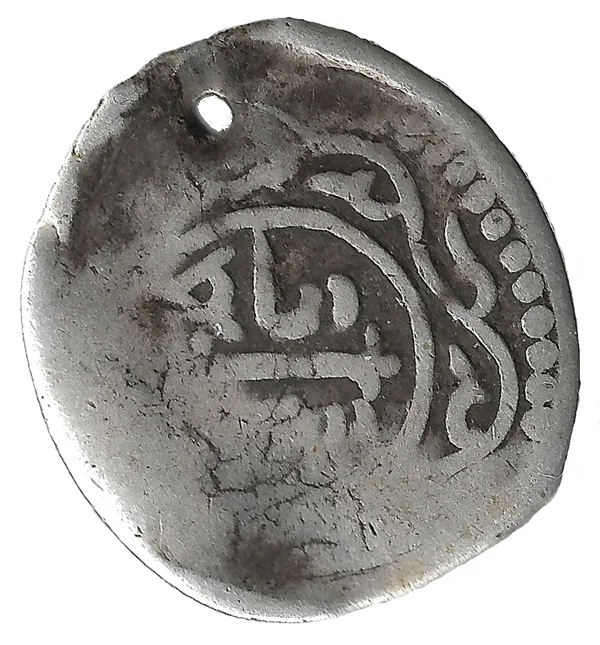
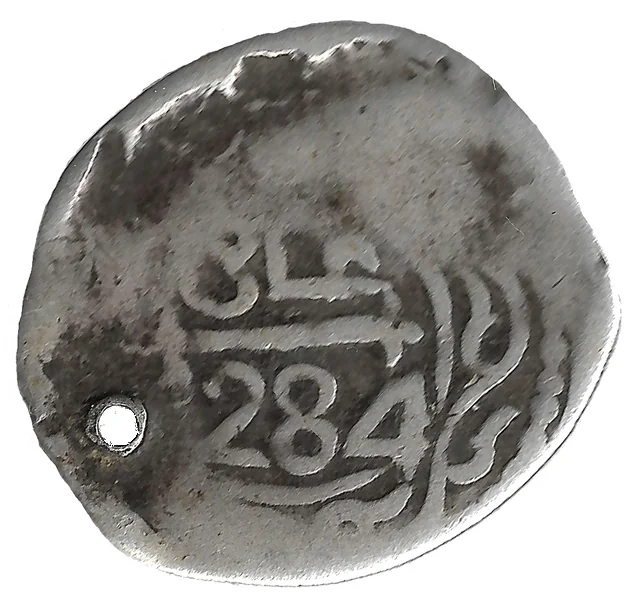
1 dirham – Morocco
Add to wishlist
Morocco
Context
Material
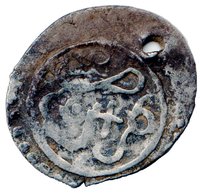
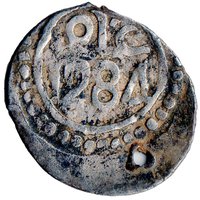
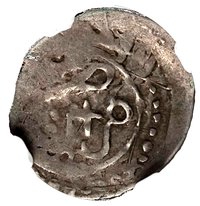
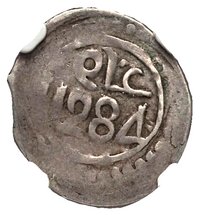
Diameter: 23 mm
Weight: 2.93 g
Silver Weight:: 2.93 g
Shape: Irregular round
Composition: Silver
Magnetic: No
Alignment: Coin alignment
flip
References
Numista: #49792
Value
Bullion value: $7.13
Mintings
| Year | Mint Mark | Mintage | Quality | Collection |
|---|---|---|---|---|
| 1868 | — | — | ||
| 1869 | — | — | ||
| 1870 | — | — |
Historical background
In 1868, Morocco's currency situation was one of profound instability and transition, rooted in centuries-old monetary practices colliding with modern economic pressures. The country operated on a bimetallic system, minting both silver dirhams and gold benduqis, but the core of everyday commerce was the low-value copper falus. This fragmented system lacked a standardized national currency, leading to a chaotic circulation of a wide variety of domestic and foreign coins—including Spanish dollars, French francs, and British sovereigns—whose values fluctuated wildly by region and market.
This monetary chaos was exacerbated by a severe fiscal crisis. The Moroccan Makhzen (state) was deeply indebted following its defeat in the Hispano-Moroccan War (1859-60), which resulted in a large war indemnity payable to Spain. To meet these obligations, the government resorted to drastic currency debasement, notably by striking massive quantities of depreciated copper falus. This led to rapid inflation, a collapse in public trust in the coinage, and severe hardship for common people, whose copper-based wages bought increasingly less.
The crisis of 1868 became a pivotal catalyst for reform. Under Sultan Mohammed IV, and with the guidance of his influential Grand Vizier Muhammad Bargash, Morocco sought European technical assistance to stabilize its economy. This culminated in the mission of British economist John Drummond Hay, who advised the creation of a modern, decimalized monetary system based on a silver standard. Although full implementation would take years, the dire situation of 1868 directly set in motion the reforms that would eventually lead to the introduction of the modern Moroccan dirham (the Rial), marking the beginning of the end for the ancient, chaotic monetary tradition.
This monetary chaos was exacerbated by a severe fiscal crisis. The Moroccan Makhzen (state) was deeply indebted following its defeat in the Hispano-Moroccan War (1859-60), which resulted in a large war indemnity payable to Spain. To meet these obligations, the government resorted to drastic currency debasement, notably by striking massive quantities of depreciated copper falus. This led to rapid inflation, a collapse in public trust in the coinage, and severe hardship for common people, whose copper-based wages bought increasingly less.
The crisis of 1868 became a pivotal catalyst for reform. Under Sultan Mohammed IV, and with the guidance of his influential Grand Vizier Muhammad Bargash, Morocco sought European technical assistance to stabilize its economy. This culminated in the mission of British economist John Drummond Hay, who advised the creation of a modern, decimalized monetary system based on a silver standard. Although full implementation would take years, the dire situation of 1868 directly set in motion the reforms that would eventually lead to the introduction of the modern Moroccan dirham (the Rial), marking the beginning of the end for the ancient, chaotic monetary tradition.
Series: 1868 Morocco circulation coins

💎 Extremely Rare