

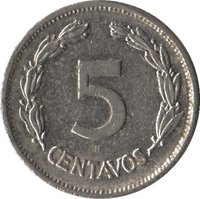
5 Centavos – Ecuador
Ecuador
Context
Material
References
KM: #Click to copy to clipboard75
Numista: #4968
Value
Exchange value: 0.05 ECS
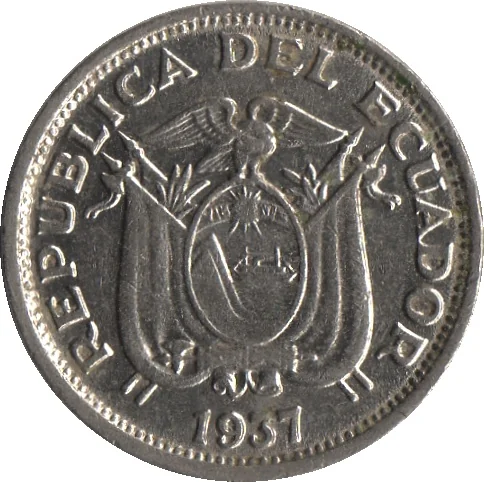
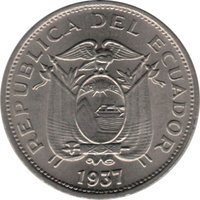
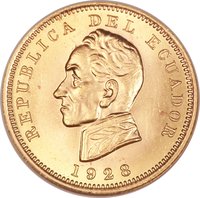
Obverse
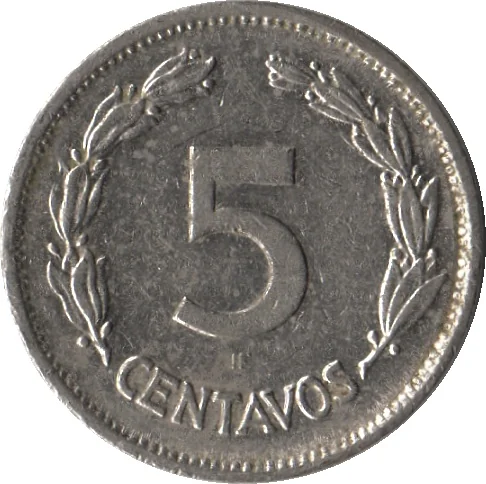
Reverse
Edge
Plain
Mints
| Name | Mark |
|---|---|
| Huguenin | HF |
Mintings
| Year | Mint Mark | Mintage | Quality | Collection |
|---|---|---|---|---|
| 1937 | HF | 15,000,000 |
Historical background
In 1937, Ecuador's currency situation was characterized by instability and transition, rooted in the global economic turmoil of the Great Depression. The country had abandoned the gold standard in 1932, leading to a period of fluctuating exchange rates and a devalued national currency, the sucre. This devaluation, while making exports like cacao and coffee cheaper on the world market, also triggered severe domestic inflation, eroding purchasing power and creating economic hardship for the populace. The government's fiscal position was weak, relying heavily on foreign loans and facing a persistent budget deficit, which further undermined confidence in the sucre.
The year itself was a pivotal point of administrative change rather than immediate monetary reform. President Federico Páez, an engineer-turned-dictator, was focused on infrastructure projects and consolidating power, but the underlying currency weaknesses persisted. The Central Bank of Ecuador, established just a decade earlier in 1927, struggled to manage monetary policy effectively in this environment. Internationally, Ecuador's currency was subject to the volatility of commodity prices and the protectionist policies of trading partners, leaving its economy and exchange rate vulnerable to external shocks.
This precarious situation set the stage for the significant monetary reforms that would follow in the 1940s. The persistent instability of the 1930s ultimately led Ecuador to seek a more anchored system, culminating in the landmark decision to adopt the U.S. dollar as a parallel currency in 1999 and fully dollarize in 2000. Thus, the currency context of 1937 represents a critical chapter in a long history of Ecuador grappling with monetary sovereignty and stability, caught between the lingering effects of global crisis and the search for a sustainable financial foundation.
The year itself was a pivotal point of administrative change rather than immediate monetary reform. President Federico Páez, an engineer-turned-dictator, was focused on infrastructure projects and consolidating power, but the underlying currency weaknesses persisted. The Central Bank of Ecuador, established just a decade earlier in 1927, struggled to manage monetary policy effectively in this environment. Internationally, Ecuador's currency was subject to the volatility of commodity prices and the protectionist policies of trading partners, leaving its economy and exchange rate vulnerable to external shocks.
This precarious situation set the stage for the significant monetary reforms that would follow in the 1940s. The persistent instability of the 1930s ultimately led Ecuador to seek a more anchored system, culminating in the landmark decision to adopt the U.S. dollar as a parallel currency in 1999 and fully dollarize in 2000. Thus, the currency context of 1937 represents a critical chapter in a long history of Ecuador grappling with monetary sovereignty and stability, caught between the lingering effects of global crisis and the search for a sustainable financial foundation.
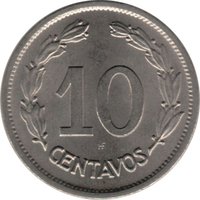
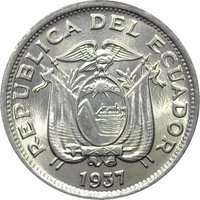
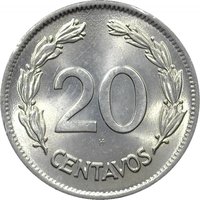
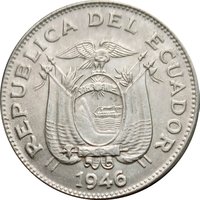
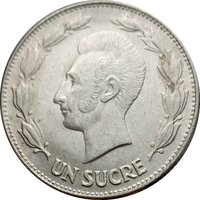
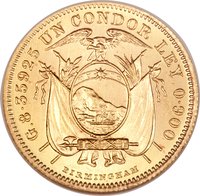
Series: 1937 Ecuador circulation coins
🌱 Common