

5 hryven (First Record of the City of Vinnytsia) – Ukraine
Add to wishlist
Non-circulating coins
Commemoration: 650th Anniversary of the First Record of the City of Vinnytsia
Series: Ancient cities of Ukraine
Ukraine
Context
Year: 2013
Issuer: Ukraine
Issuing organization: National Bank of Ukraine
Period:
(since 1991)
Currency:
(since 1996)
Total mintage: 30,000
Material
Diameter: 35 mm
Weight: 16.54 g
Thickness: 2.4 mm
Shape: Round
Composition: Nickel brass
Magnetic: No
Technique: Milled
Alignment: Medal alignment
flip
References
Numista: #49481
Value
Exchange value: 5 UAH
Obverse
Description:
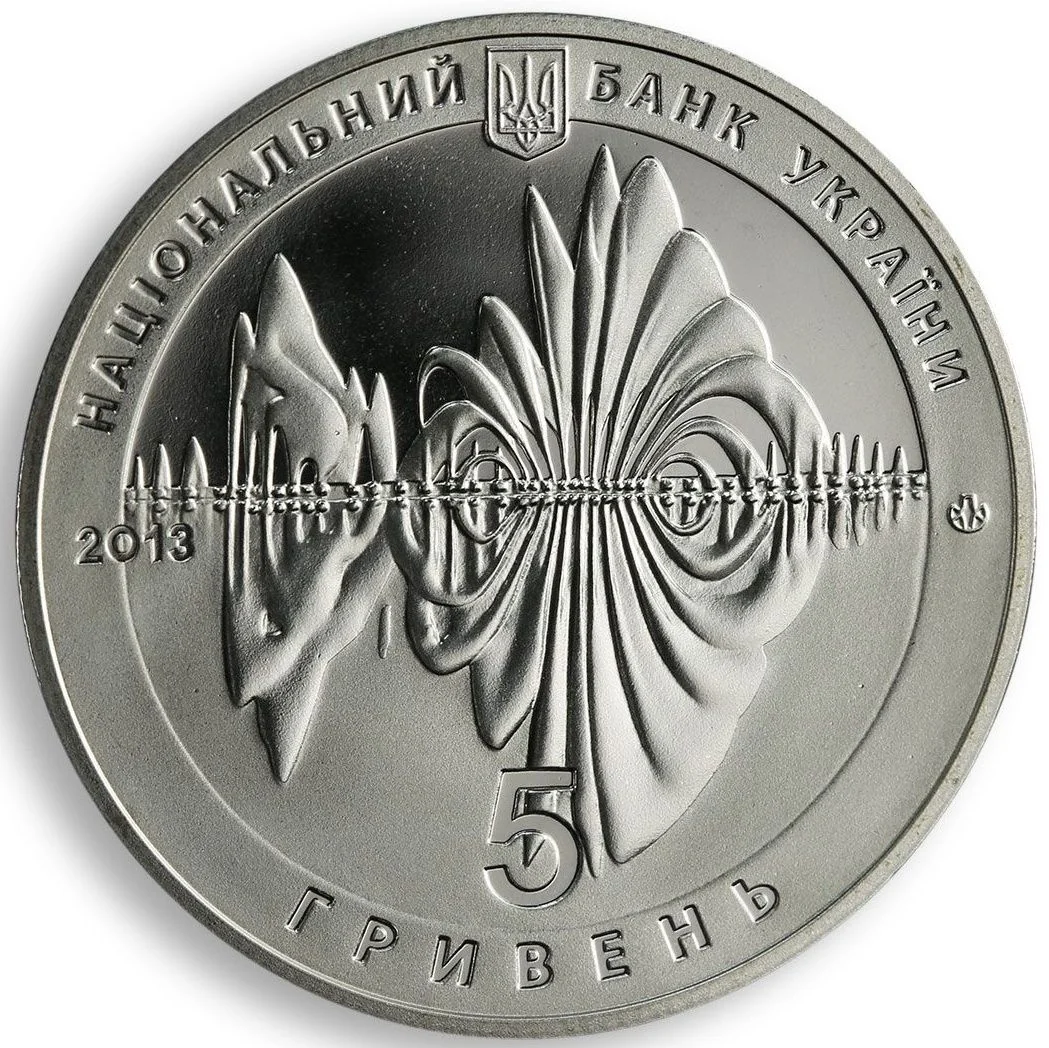
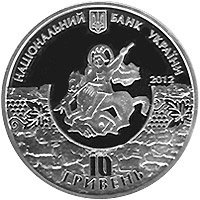
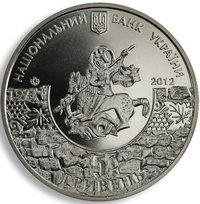
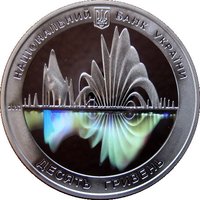
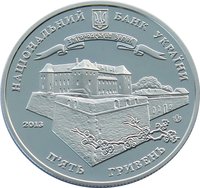
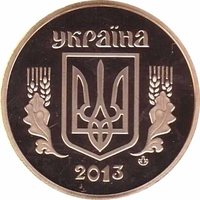
The coin's obverse features the Small Coat of Arms of Ukraine, the inscription "НАЦІОНАЛЬНИЙ БАНК УКРАЇНИ," the year 2013, and the Mint mark. The reverse depicts a stylized city fountain with its reflection and the denomination "5 ГРИВЕНЬ."
Inscription:
НАЦІОНАЛЬНИЙ БАНК УКРАЇНИ
2013
5
ГРИВЕНЬ
2013
5
ГРИВЕНЬ
Translation:
NATIONAL BANK OF UKRAINE
2013
5
HRYVEN
2013
5
HRYVEN
Script: Cyrillic
Language: Ukrainian
Engravers: Volodymyr Atamanchuk, Anatolii Demianenko
Reverse
Description:
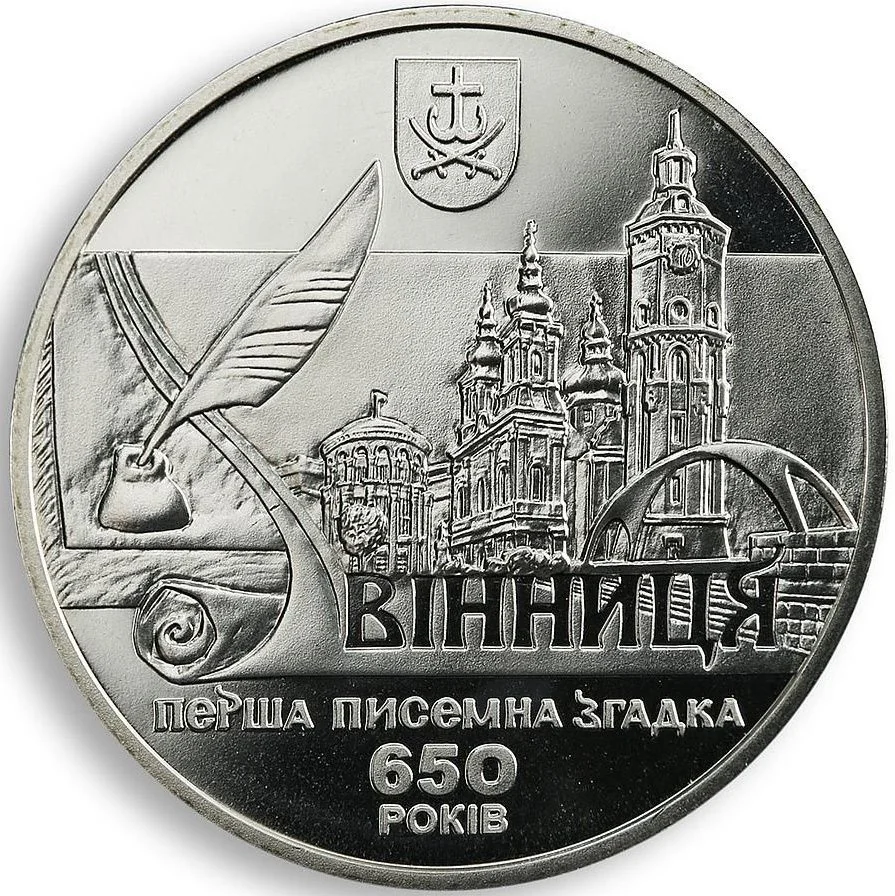
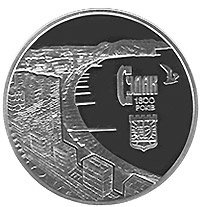
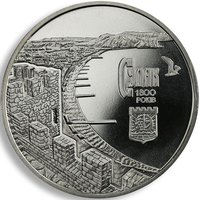
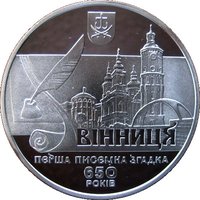
Vinnytsia's coat of arms; below, on a scroll: a stylized inkpot with quill and city skyline, the legend "ВІННИЦЯ," and the inscription "ПЕРША ПИСЕМНА ЗГАДКА/ 650/ РОКІВ."
Inscription:
ВІННИЦЯ
ПЕРША ПИСЕМНА ЗГАДКА
650
РОКІВ
ПЕРША ПИСЕМНА ЗГАДКА
650
РОКІВ
Translation:
VINNYTSIA
FIRST WRITTEN MENTION
650
YEARS
FIRST WRITTEN MENTION
650
YEARS
Script: Cyrillic
Language: Ukrainian
Engravers: Volodymyr Atamanchuk, Anatolii Demianenko
Edge
Reeded
Mints
| Name | Mark |
|---|---|
| National Bank of Ukraine Banknote Printing and Minting Works | — |
Mintings
| Year | Mint Mark | Mintage | Quality | Collection |
|---|---|---|---|---|
| 2013 | — | 30,000 | Special Uncirculated |
Historical background
In 2013, Ukraine's currency, the hryvnia (UAH), was under significant strain due to a combination of deep-seated economic vulnerabilities and immediate political pressures. The country was grappling with a large current account deficit, dwindling foreign exchange reserves, and heavy reliance on expensive gas imports from Russia. These structural weaknesses were exacerbated by the government's refusal to implement critical economic reforms advocated by the International Monetary Fund (IMF), particularly regarding domestic gas subsidies. Consequently, investor confidence was low, and the National Bank of Ukraine (NBU) was engaged in a costly and ultimately unsustainable effort to maintain a de facto peg to the U.S. dollar, which had been in place since 2010.
The political dimension was paramount. President Viktor Yanukovych's sudden decision in November 2013 to reject an Association Agreement with the European Union in favor of closer ties with Russia triggered the Euromaidan protests. This political crisis created immediate capital flight and market panic, placing immense speculative pressure on the hryvnia. The NBU was forced to intervene heavily, spending billions from its reserves to defend the currency's value, which fell from approximately 8 UAH/USD at the start of the year to nearly 8.5 by year's end on the official market, with a much wider gap on the black market.
By December 2013, Ukraine's currency situation was precarious and on the brink of collapse. Foreign reserves had plummeted to a critically low level, covering less than two months of imports. The economy was sliding into recession, and the government faced an urgent need for external financing to avoid default. The stage was set for the severe currency crisis that would erupt in early 2014 following the revolution and Russia's annexation of Crimea, leading to a sharp devaluation where the hryvnia would lose over half of its value within a year.
The political dimension was paramount. President Viktor Yanukovych's sudden decision in November 2013 to reject an Association Agreement with the European Union in favor of closer ties with Russia triggered the Euromaidan protests. This political crisis created immediate capital flight and market panic, placing immense speculative pressure on the hryvnia. The NBU was forced to intervene heavily, spending billions from its reserves to defend the currency's value, which fell from approximately 8 UAH/USD at the start of the year to nearly 8.5 by year's end on the official market, with a much wider gap on the black market.
By December 2013, Ukraine's currency situation was precarious and on the brink of collapse. Foreign reserves had plummeted to a critically low level, covering less than two months of imports. The economy was sliding into recession, and the government faced an urgent need for external financing to avoid default. The stage was set for the severe currency crisis that would erupt in early 2014 following the revolution and Russia's annexation of Crimea, leading to a sharp devaluation where the hryvnia would lose over half of its value within a year.
Series: Ancient cities of Ukraine

🌟 Limited