

5 bazarucos – Portuguese India
Add to wishlist
India
Context
Years: 1827–1828
Country: India
Issuer: Portuguese India
Issuing organization: Casa da Moeda de Diu
Ruler: Pedro IV
Currency:
(1706—1880)
Demonetized: Yes
References
KM: #
Numista: #49007
Obverse
Description:
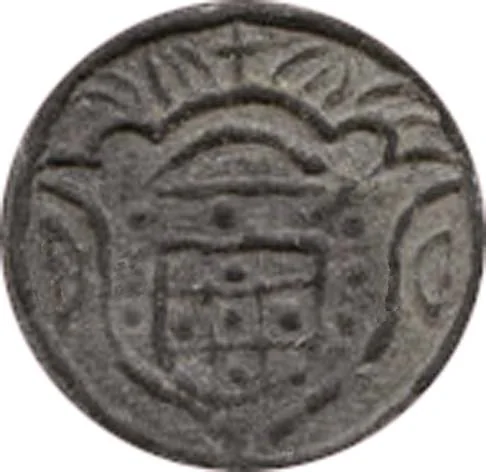
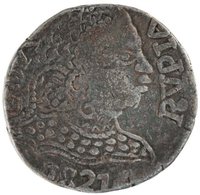
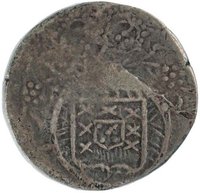
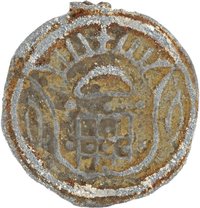
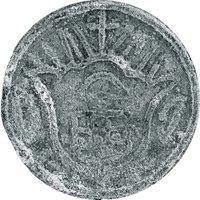
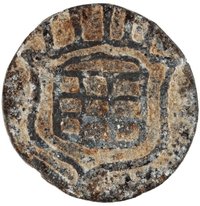
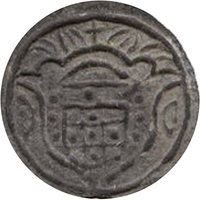
Coat of arms divides mintmarks D and O (the O resembles an inverted D).
Inscription:
D-O
Script: Latin
Reverse
Edge
Mintings
| Year | Mint Mark | Mintage | Quality | Collection |
|---|---|---|---|---|
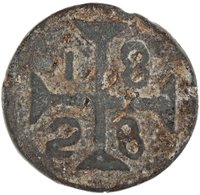
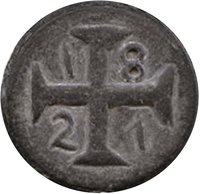
| 1827 | D-O | — | ||
| 1828 | D-O | — |
Historical background
In 1827, the currency situation in Portuguese India was a complex and fragmented system, reflecting both its historical role as a trading hub and its political subordination to Lisbon. The official currency was the Portuguese real, but its circulation was limited and it competed with a multitude of foreign coins that arrived through centuries of commerce. The most dominant of these was the British Indian silver rupee, along with its fractional coins (annas and pice), which circulated widely due to the overwhelming economic influence of British India surrounding the enclaves of Goa, Daman, and Diu. Other historic trade coins, like the Spanish and Mexican silver dollars (patacas), also remained in use, creating a multi-currency environment where values were constantly compared and exchanged.
This monetary plurality created significant administrative and commercial challenges. Exchange rates between the various silver coins and the less-stable Portuguese currency fluctuated, leading to confusion, arbitrage, and friction in daily transactions. The Portuguese administration struggled to assert its monetary authority, as the populace and merchants naturally preferred the more reliable and internationally recognized silver rupees and dollars for substantial trade. Attempts to standardize the system were hampered by a lack of sufficient minted Portuguese specie and the enclaves' deep integration into the wider Indian Ocean and subcontinental trading networks.
Ultimately, the currency picture in 1827 was one of de facto British Indian monetary hegemony within Portuguese territories. The Portuguese system was unable to displace the entrenched and practical use of foreign silver, leading to a dual or even multiple currency reality. This situation would persist and eventually force official recognition, with the British Indian rupee being formally adopted as the sole legal tender in Portuguese India by the 1860s, a clear acknowledgment of the economic realities that were already firmly in place decades earlier.
This monetary plurality created significant administrative and commercial challenges. Exchange rates between the various silver coins and the less-stable Portuguese currency fluctuated, leading to confusion, arbitrage, and friction in daily transactions. The Portuguese administration struggled to assert its monetary authority, as the populace and merchants naturally preferred the more reliable and internationally recognized silver rupees and dollars for substantial trade. Attempts to standardize the system were hampered by a lack of sufficient minted Portuguese specie and the enclaves' deep integration into the wider Indian Ocean and subcontinental trading networks.
Ultimately, the currency picture in 1827 was one of de facto British Indian monetary hegemony within Portuguese territories. The Portuguese system was unable to displace the entrenched and practical use of foreign silver, leading to a dual or even multiple currency reality. This situation would persist and eventually force official recognition, with the British Indian rupee being formally adopted as the sole legal tender in Portuguese India by the 1860s, a clear acknowledgment of the economic realities that were already firmly in place decades earlier.
✨ Legendary