

1 tanga – Portuguese India
Add to wishlist
India
Context
Years: 1831–1834
Country: India
Issuer: Portuguese India
Ruler: Miguel I
Currency:
(1706—1880)
Demonetized: Yes
Material
Diameter: 34 mm
Weight: 37 g
Shape: Irregular round
Composition: Copper
Magnetic: No
Technique: Hammered
References
KM: #
Numista: #48865
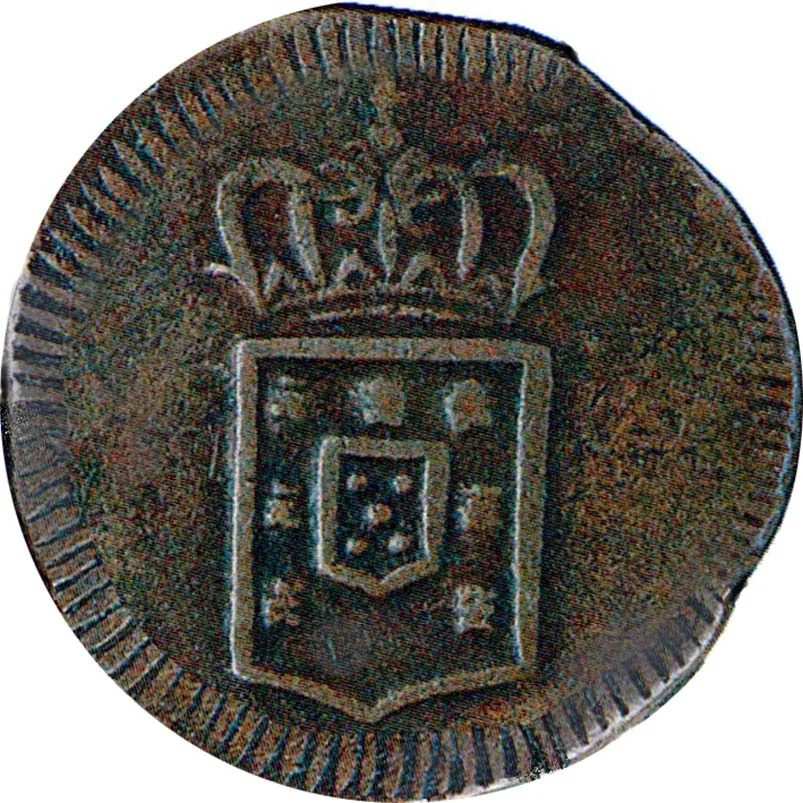
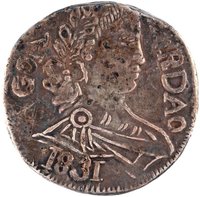
Obverse
Description:
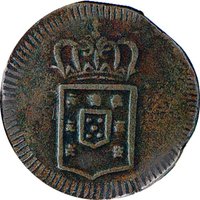
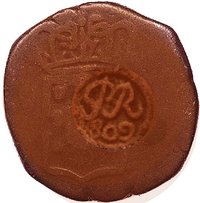
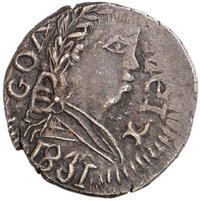
Royal Arms
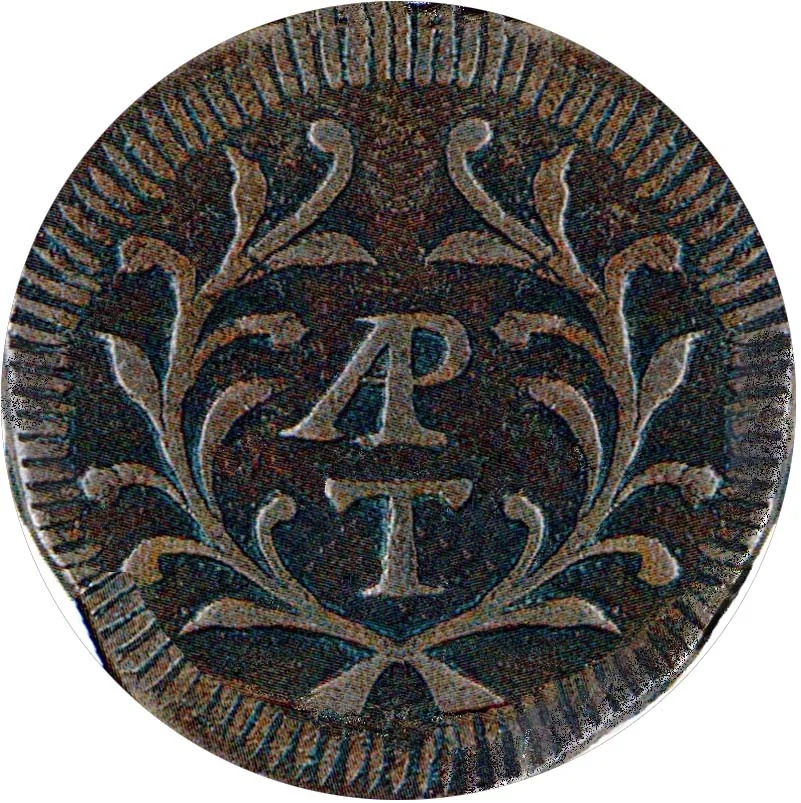
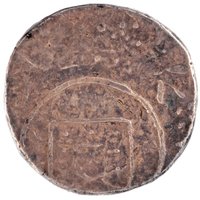
Reverse
Edge
Mints
| Name | Mark |
|---|---|
| Goa | — |
Mintings
| Year | Mint Mark | Mintage | Quality | Collection |
|---|---|---|---|---|
| — | — | — |
Historical background
In 1831, the currency situation in Portuguese India was a complex and challenging reflection of its declining economic position and administrative integration with the rest of the Portuguese Empire. The official currency was the Portuguese real, but its circulation was limited and often symbolic. The territory's economy was overwhelmingly dominated by a multitude of foreign coins, a legacy of its historic role as a trading hub. The most prevalent and trusted currency in daily commerce was the British Indian rupee, particularly the silver rupees minted in Bombay, which served as the de facto standard for larger transactions. Alongside these, older Portuguese colonial coins like the xerafim (worth 300 réis), Spanish American silver pesos (pieces of eight), and even gold mohurs from various Indian princely states circulated freely, creating a chaotic and unregulated monetary environment.
This monetary pluralism created significant administrative and economic problems. The lack of a uniform, state-controlled currency hampered revenue collection and government accounting, as values had to be constantly calculated against a shifting array of coins with fluctuating intrinsic metal values and exchange rates. Counterfeiting was a persistent issue, further eroding trust. The situation was exacerbated by the severe financial difficulties of the Portuguese state itself, which lacked the resources to supply sufficient quantities of official coinage to its distant colony or to enforce its exclusive use. Consequently, the government in Goa was often forced to recognize and accept foreign coins, especially the British rupee, for tax payments, thereby cementing their dominance.
Ultimately, the currency chaos of 1831 underscored the weakened state of Portuguese authority and the region's economic reorientation towards British India. It was a system driven by merchant practicality rather than imperial decree, highlighting the gap between Lisbon's theoretical sovereignty and local economic realities. This unsatisfactory situation would eventually lead to reforms, most notably the official adoption of the British Indian rupee as the standard currency for Portuguese India by royal decree in 1859, formally recognizing the monetary dependency that had already existed for decades.
This monetary pluralism created significant administrative and economic problems. The lack of a uniform, state-controlled currency hampered revenue collection and government accounting, as values had to be constantly calculated against a shifting array of coins with fluctuating intrinsic metal values and exchange rates. Counterfeiting was a persistent issue, further eroding trust. The situation was exacerbated by the severe financial difficulties of the Portuguese state itself, which lacked the resources to supply sufficient quantities of official coinage to its distant colony or to enforce its exclusive use. Consequently, the government in Goa was often forced to recognize and accept foreign coins, especially the British rupee, for tax payments, thereby cementing their dominance.
Ultimately, the currency chaos of 1831 underscored the weakened state of Portuguese authority and the region's economic reorientation towards British India. It was a system driven by merchant practicality rather than imperial decree, highlighting the gap between Lisbon's theoretical sovereignty and local economic realities. This unsatisfactory situation would eventually lead to reforms, most notably the official adoption of the British Indian rupee as the standard currency for Portuguese India by royal decree in 1859, formally recognizing the monetary dependency that had already existed for decades.
💎 Very Rare