


2 euro – Portugal
Add to wishlist
Circulating commemorative coins
Commemoration: Sustainable Development
Portugal
Context
Material

References
Numista: #485977
Value
Exchange value: 2 EUR
Obverse
Description:
La planète Terre entourée de 17 feuilles, symbolisant les ODD, pour souligner l'action collective nécessaire à un avenir durable. L'anneau extérieur porte les douze étoiles du drapeau européen.
Inscription:
DESENVOLVIMENTO SUSTENTÁVEL
PORTUGAL 2025
CASA DA MOEDA
CAROLINA LADEIRA
PORTUGAL 2025
CASA DA MOEDA
CAROLINA LADEIRA
Translation:
Sustainable Development
Portugal 2025
[Mint] House of the Coin
Carolina Ladeira
Portugal 2025
[Mint] House of the Coin
Carolina Ladeira
Script: Latin
Language: Portuguese
Designer: Carolina Ladeira
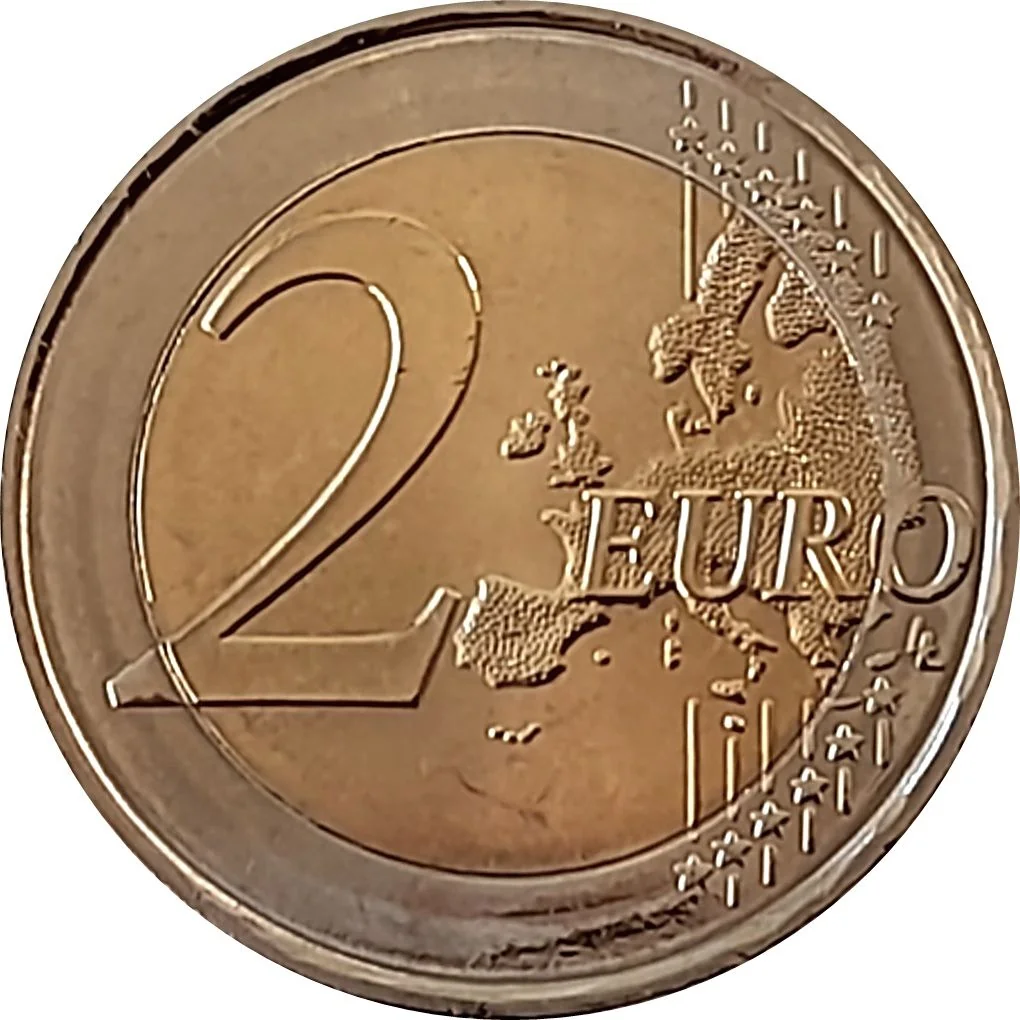
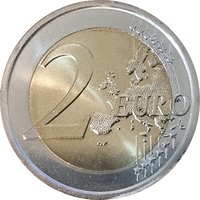
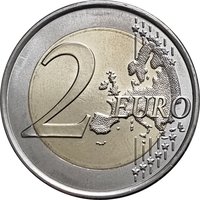
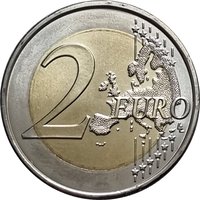
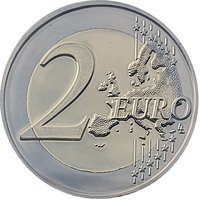
Reverse
Edge
Categories
| Sustainability |
| Symbol> Globe |
| Organization> United Nations |
| Map |
Mints
| Name | Mark |
|---|---|
| Imprensa Nacional - Casa da Moeda | — |
Mintings
| Year | Mint Mark | Mintage | Quality | Collection |
|---|---|---|---|---|
| 2025 | — | 500,000 | ||
| 2025 | — | 7,500 | BU | |
| 2025 | — | 7,500 | Proof |
Historical background
In 2025, Portugal remains a fully integrated member of the Eurozone, using the euro (€) as its sole legal tender. The currency situation is fundamentally stable, underpinned by the monetary policy of the European Central Bank (ECB), which sets interest rates to manage inflation and support the broader Eurozone economy. For Portugal, this means its monetary sovereignty is ceded to Frankfurt, a trade-off for the stability and credibility the common currency provides, particularly after the financial crises of the previous decade. Domestically, the euro facilitates seamless trade and travel within the EU, which is crucial for an economy heavily reliant on tourism and exports.
However, Portugal faces distinct economic pressures within the single currency framework. The country continues to grapple with a high public debt-to-GDP ratio, one of the highest in the EU, which limits fiscal flexibility. While the ECB's policies aim for the Eurozone average, they are not always perfectly tailored to Portugal's specific needs, sometimes leading to challenges in boosting competitiveness against core economies like Germany. Furthermore, inflation, though moderated from its post-pandemic peak, remains a concern, impacting purchasing power and living costs, particularly for lower-income households.
Looking forward, the national debate on currency is less about a return to the escudo and more about optimizing Portugal's position within the Eurozone. The focus for the government and financial institutions is on enhancing productivity, attracting foreign investment in green and digital sectors, and utilizing EU recovery funds to strengthen economic resilience. The primary currency-related discussions in Lisbon revolve around advocating for more supportive ECB policies for peripheral economies and ensuring that European banking union reforms progress to further solidify financial stability, thereby securing Portugal's future within the euro project.
However, Portugal faces distinct economic pressures within the single currency framework. The country continues to grapple with a high public debt-to-GDP ratio, one of the highest in the EU, which limits fiscal flexibility. While the ECB's policies aim for the Eurozone average, they are not always perfectly tailored to Portugal's specific needs, sometimes leading to challenges in boosting competitiveness against core economies like Germany. Furthermore, inflation, though moderated from its post-pandemic peak, remains a concern, impacting purchasing power and living costs, particularly for lower-income households.
Looking forward, the national debate on currency is less about a return to the escudo and more about optimizing Portugal's position within the Eurozone. The focus for the government and financial institutions is on enhancing productivity, attracting foreign investment in green and digital sectors, and utilizing EU recovery funds to strengthen economic resilience. The primary currency-related discussions in Lisbon revolve around advocating for more supportive ECB policies for peripheral economies and ensuring that European banking union reforms progress to further solidify financial stability, thereby securing Portugal's future within the euro project.
Series: Portugal 2 euro commemoratives







🌟 Uncommon