

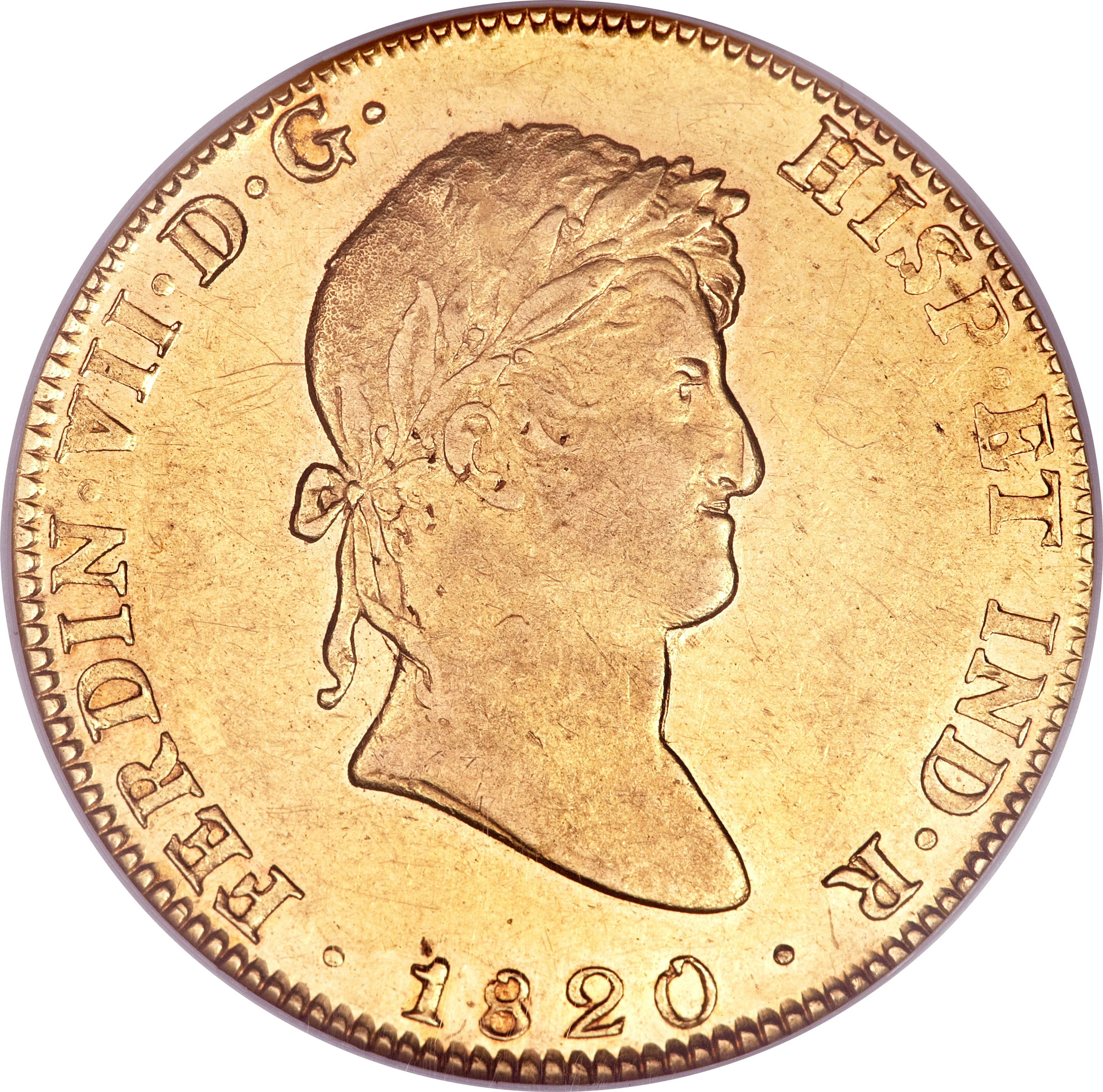
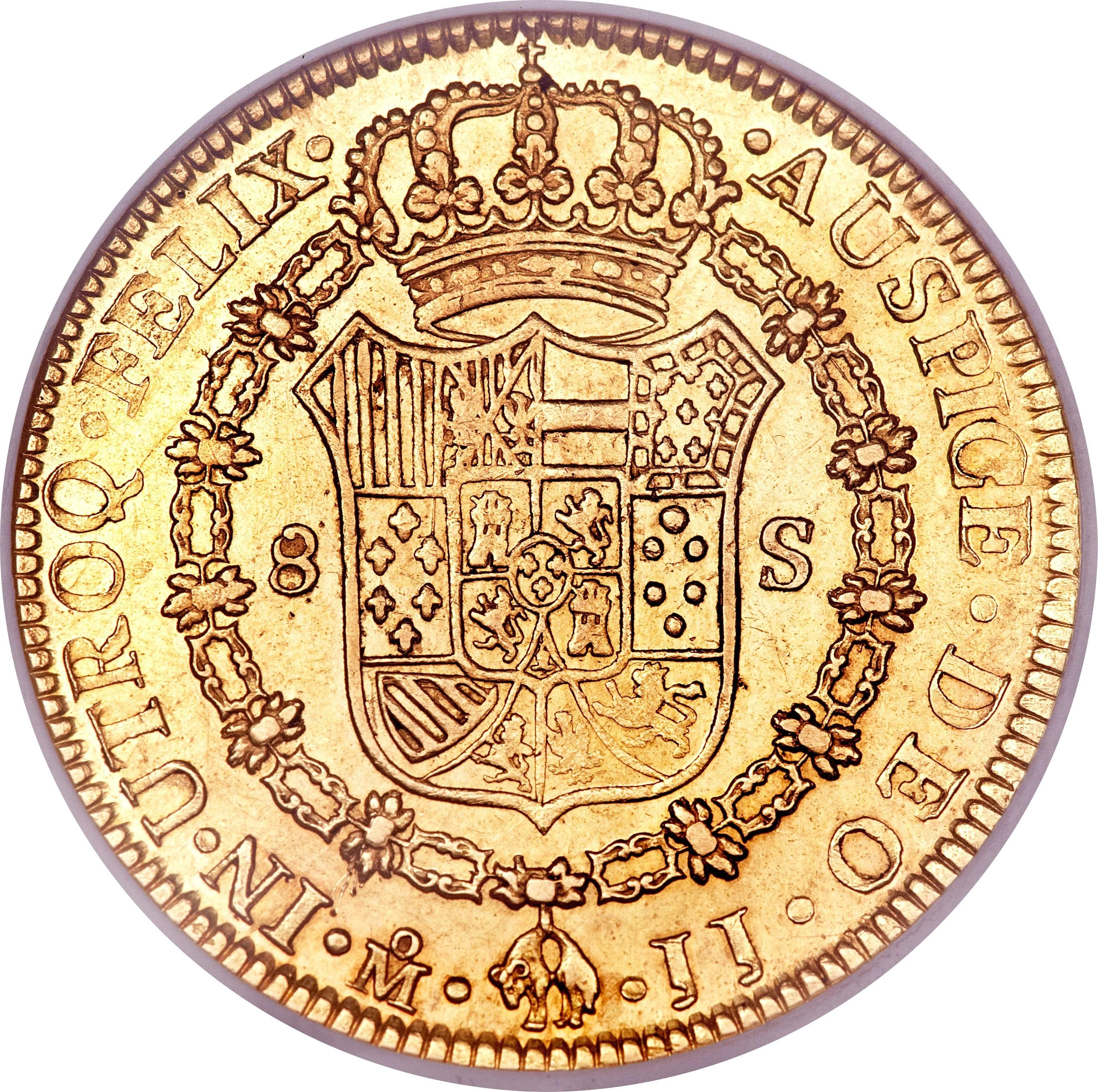
8 escudos – New Spain
Add to wishlist
Mexico
Context
Years: 1814–1821
Country: Mexico
Issuer: New Spain
Ruler: Ferdinand VII
Currency:
(1535—1897)
Demonetized: Yes
Material
References
KM: #
Numista: #15008
Value
Bullion value: $3611.10
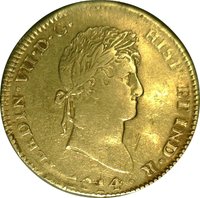
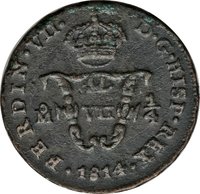
Obverse
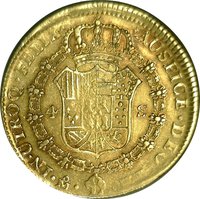
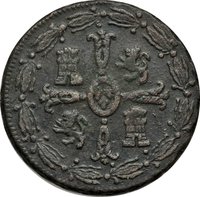
Reverse
Edge
Mints
| Name | Mark |
|---|---|
| Mexican Mint | (Mo) |
Mintings
| Year | Mint Mark | Mintage | Quality | Collection |
|---|---|---|---|---|
| 1814 | Mo | — | ||
| 1815 | Mo | — | ||
| 1816 | Mo | — | ||
| 1817 | Mo | — | ||
| 1818 | Mo | — | ||
| 1819 | Mo | — | ||
| 1820 | Mo | — | ||
| 1821 | Mo | — |
Historical background
By 1814, the currency situation in New Spain was one of profound crisis and confusion, a direct reflection of the wider political turmoil of the Mexican War of Independence. The royalist government, controlling Mexico City and the core territories, struggled to finance its military campaigns against the insurgent forces of José María Morelos and others. To meet these colossal expenses, the authorities resorted to the massive issuance of paper money, known as vales reales (royal vouchers). However, these notes were not backed by silver, the traditional and trusted basis of the economy, leading to rapid depreciation and a severe loss of public confidence. The result was a chaotic dual system where heavy, pure silver coins like the peso fuerte were hoarded, while the proliferating paper currency traded at a steep and volatile discount.
This monetary instability was exacerbated by the physical disruption of the silver mining industry, the colony's economic lifeline. Key mining regions, particularly in the north and around Guanajuato, were battlegrounds or under insurgent influence, disrupting production and the steady flow of bullion to the mint in Mexico City. Consequently, the supply of new silver coinage dwindled just as demand for it soared as a safe-haven asset. Furthermore, the insurgents in their controlled territories issued their own copper and emergency coinage, adding another layer of fragmentation to the monetary landscape. The economy began to fracture along political lines, with different currencies circulating at different values depending on geographic and military control.
Ultimately, the currency chaos of 1814 symbolized the collapse of the old colonial economic order. The widespread rejection of government paper and the desperate clinging to silver signified a deeper breakdown in trust toward royal authority. While the royalists would eventually regain military momentum, the financial damage was irreversible. The experience embedded a lasting preference for hard currency among the population and demonstrated the fiscal vulnerabilities of the state, setting a precedent for the severe economic challenges that would confront an independent Mexico just a few years later.
This monetary instability was exacerbated by the physical disruption of the silver mining industry, the colony's economic lifeline. Key mining regions, particularly in the north and around Guanajuato, were battlegrounds or under insurgent influence, disrupting production and the steady flow of bullion to the mint in Mexico City. Consequently, the supply of new silver coinage dwindled just as demand for it soared as a safe-haven asset. Furthermore, the insurgents in their controlled territories issued their own copper and emergency coinage, adding another layer of fragmentation to the monetary landscape. The economy began to fracture along political lines, with different currencies circulating at different values depending on geographic and military control.
Ultimately, the currency chaos of 1814 symbolized the collapse of the old colonial economic order. The widespread rejection of government paper and the desperate clinging to silver signified a deeper breakdown in trust toward royal authority. While the royalists would eventually regain military momentum, the financial damage was irreversible. The experience embedded a lasting preference for hard currency among the population and demonstrated the fiscal vulnerabilities of the state, setting a precedent for the severe economic challenges that would confront an independent Mexico just a few years later.
Series: 1814 New Spain circulation coins
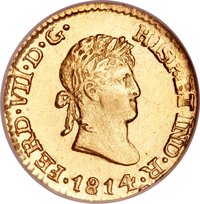
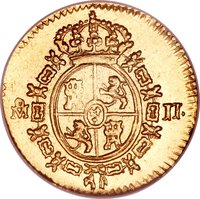
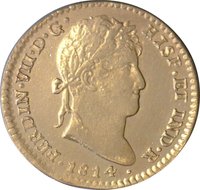
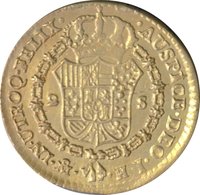
✨ Legendary