

1 mun – Joseon
Add to wishlist
Obverse
Description:
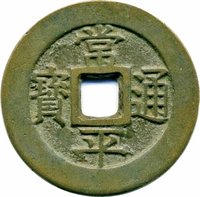
常平通寶 (Sang pyong Tong bo) - Yi Dynasty Korean currency.
Inscription:
常
寶 通
平
寶 通
平
Translation:
Eternal Treasure
Circulating Currency
Circulating Currency
Scripts: Chinese (traditional, regular script)
Language: Chinese
Reverse
Description:
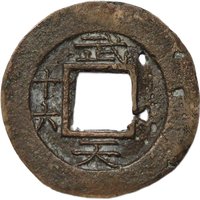
Mint mark top, serials bottom, serial number left *(Mu): Palace Guard Office
Inscription:
武
十
六
天
十
六
天
Translation:
Martial
Ten
Six
Heaven
Ten
Six
Heaven
Scripts: Chinese (traditional, regular script)
Language: Classical Chinese
Edge
Mints
| Name | Mark |
|---|---|
| Guard Office at the Palace | 武 |
Mintings
| Year | Mint Mark | Mintage | Quality | Collection |
|---|---|---|---|---|
| 1881 | — | — |
Historical background
In 1881, the currency system of the Joseon Dynasty was in a state of profound crisis and transition, caught between a collapsing traditional order and intensifying foreign pressure. The primary circulating coin, the sangpyeong tongbo (常平通寶) brass cash, had been severely debased over decades, leading to rampant inflation and a loss of public trust. Furthermore, a chaotic multiplicity of currencies existed: older copper and iron coins, privately minted coins, and a vast quantity of counterfeit yeopjeon (leaf coins), which were thin, poorly made imitations that flooded the market. This monetary anarchy stifled commerce, corrupted officialdom, and caused widespread social discontent, as the value of money was unstable and unpredictable.
Externally, Joseon's currency was being aggressively undermined by the influx of foreign silver, particularly the Mexican silver dollar. Following the forced opening of ports via the Treaty of Ganghwa (1876), Japanese merchants, backed by their government, imported large quantities of these silver coins. They were used to purchase Korean rice, gold, and other commodities, creating a destructive outflow of bullion and distorting exchange rates. The Joseon government, lacking a standardized silver currency of its own, was powerless to control this external monetary invasion, which further destabilized the domestic economy and highlighted the dynasty's institutional weakness.
Recognizing the severity of the crisis, King Gojong and reform-minded officials initiated the Tongni Kimu Amun (Office for Extraordinary State Affairs) in 1881, a modernizing organ tasked with comprehensive reforms. A critical part of its agenda was the creation of a modern, centralized monetary system. The office dispatched a secret fact-finding mission, the Sinsa Yuramdan (Gentlemen's Observation Mission), to Japan to study its modern institutions, including the Mint Bureau in Osaka. The findings directly informed plans to establish a modern mint, standardize coinage, and eventually issue machine-struck copper and silver coins, setting the stage for the first modern Korean currency, the yang, which would be introduced in 1883. Thus, 1881 stands as the pivotal year when the old monetary order was deemed irreparable and the deliberate, though fraught, journey toward a modern currency system began.
Externally, Joseon's currency was being aggressively undermined by the influx of foreign silver, particularly the Mexican silver dollar. Following the forced opening of ports via the Treaty of Ganghwa (1876), Japanese merchants, backed by their government, imported large quantities of these silver coins. They were used to purchase Korean rice, gold, and other commodities, creating a destructive outflow of bullion and distorting exchange rates. The Joseon government, lacking a standardized silver currency of its own, was powerless to control this external monetary invasion, which further destabilized the domestic economy and highlighted the dynasty's institutional weakness.
Recognizing the severity of the crisis, King Gojong and reform-minded officials initiated the Tongni Kimu Amun (Office for Extraordinary State Affairs) in 1881, a modernizing organ tasked with comprehensive reforms. A critical part of its agenda was the creation of a modern, centralized monetary system. The office dispatched a secret fact-finding mission, the Sinsa Yuramdan (Gentlemen's Observation Mission), to Japan to study its modern institutions, including the Mint Bureau in Osaka. The findings directly informed plans to establish a modern mint, standardize coinage, and eventually issue machine-struck copper and silver coins, setting the stage for the first modern Korean currency, the yang, which would be introduced in 1883. Thus, 1881 stands as the pivotal year when the old monetary order was deemed irreparable and the deliberate, though fraught, journey toward a modern currency system began.
✨ Legendary