

12 Skilling – Denmark
Denmark
Context

Material
References
KM: #Click to copy to clipboard673
Numista: #47936
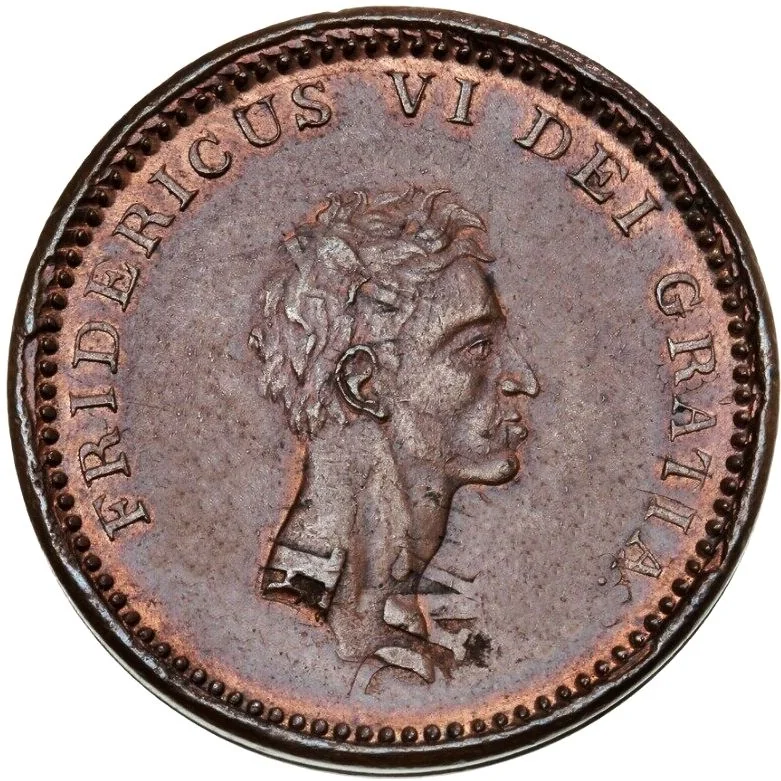
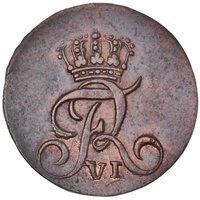
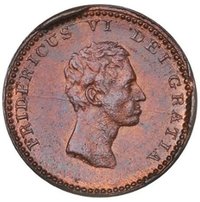
Obverse
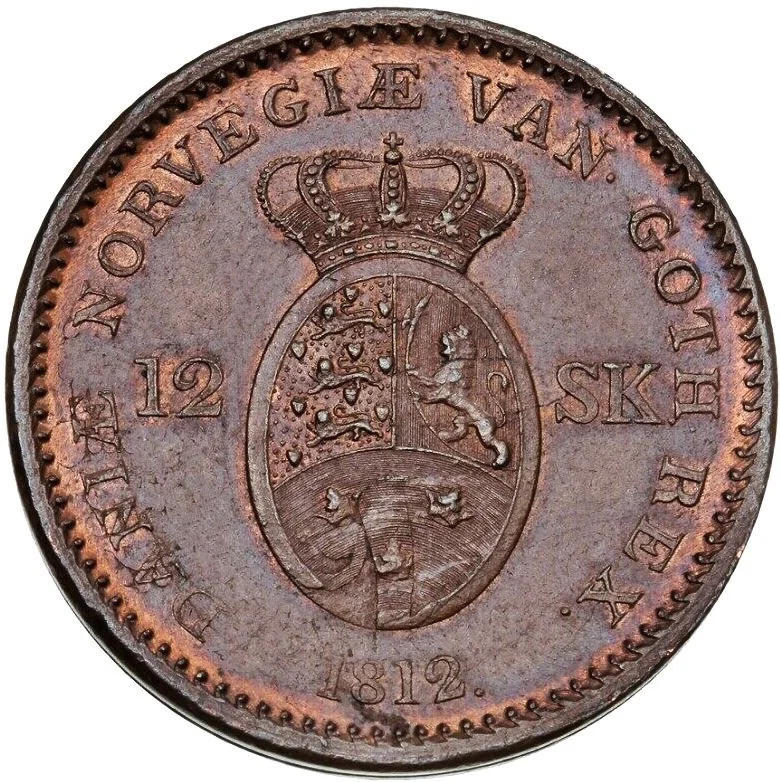
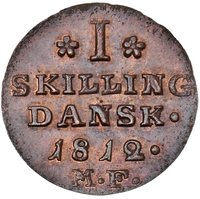
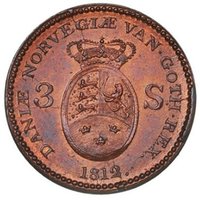
Reverse
Edge
Center reeded as of security edge
Categories
| Symbols> Coat of Arms |
Mints
| Name | Mark |
|---|---|
| Royal Danish Mint | — |
Mintings
| Year | Mint Mark | Mintage | Quality | Collection |
|---|---|---|---|---|
| 1812 | — | — |
Historical background
In 1812, Denmark found itself in a dire monetary crisis, a direct consequence of its catastrophic foreign policy. The nation had sided with Napoleon during the Napoleonic Wars, leading to the British bombardment of Copenhagen in 1807 and the subsequent loss of its entire fleet. This triggered a severe economic blockade, crippling trade and state finances. To fund the ongoing war effort, the Danish state resorted to the excessive printing of paper money, known as kurantsedler, without sufficient metallic reserves to back their value.
This resulted in rampant inflation and a dramatic divergence between the face value of the paper currency and its actual worth in silver. By 1812, the rigsdaler in paper currency had lost roughly two-thirds of its value compared to the silver rigsdaler. The situation created a chaotic dual-currency system where prices for essential goods soared, and public confidence in the paper money collapsed. Merchants and the populace increasingly demanded payment in stable silver coins, which became scarce and hoarded.
Recognizing the unsustainable situation, the Danish government took drastic action in 1813. It introduced an entirely new currency system, the rigsbankdaler, in a desperate attempt to restore financial stability. This was not a solution born from strength but from necessity, as the state effectively declared a form of bankruptcy, converting the old devalued paper money into the new currency at a steep, state-mandated discount. Thus, the currency situation of 1812 was the painful climax of a wartime financial policy that left the Danish economy deeply scarred.
This resulted in rampant inflation and a dramatic divergence between the face value of the paper currency and its actual worth in silver. By 1812, the rigsdaler in paper currency had lost roughly two-thirds of its value compared to the silver rigsdaler. The situation created a chaotic dual-currency system where prices for essential goods soared, and public confidence in the paper money collapsed. Merchants and the populace increasingly demanded payment in stable silver coins, which became scarce and hoarded.
Recognizing the unsustainable situation, the Danish government took drastic action in 1813. It introduced an entirely new currency system, the rigsbankdaler, in a desperate attempt to restore financial stability. This was not a solution born from strength but from necessity, as the state effectively declared a form of bankruptcy, converting the old devalued paper money into the new currency at a steep, state-mandated discount. Thus, the currency situation of 1812 was the painful climax of a wartime financial policy that left the Danish economy deeply scarred.
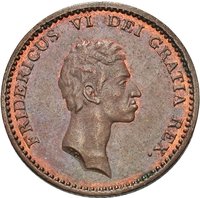
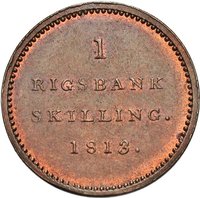
⭐ Rare