

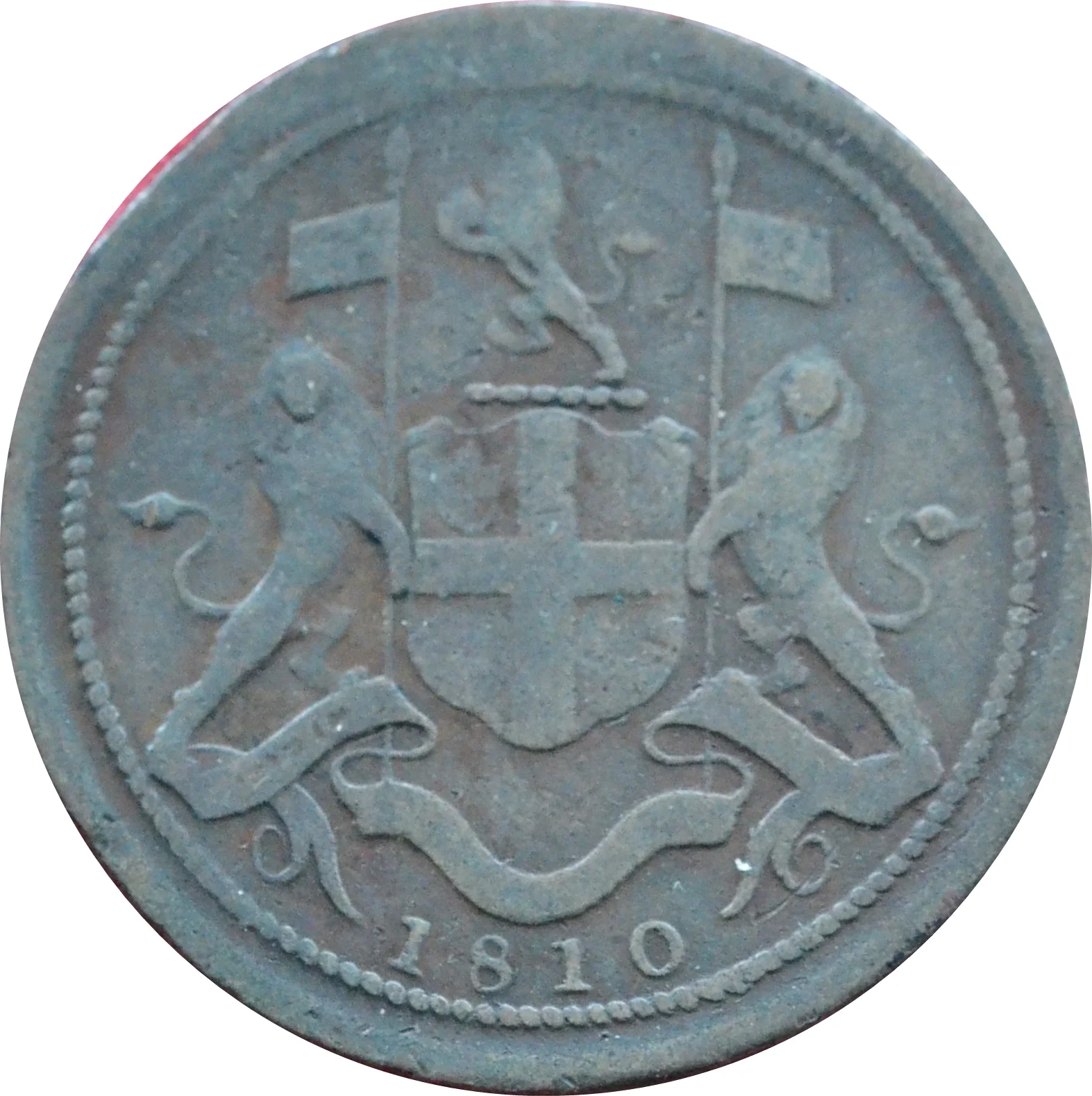
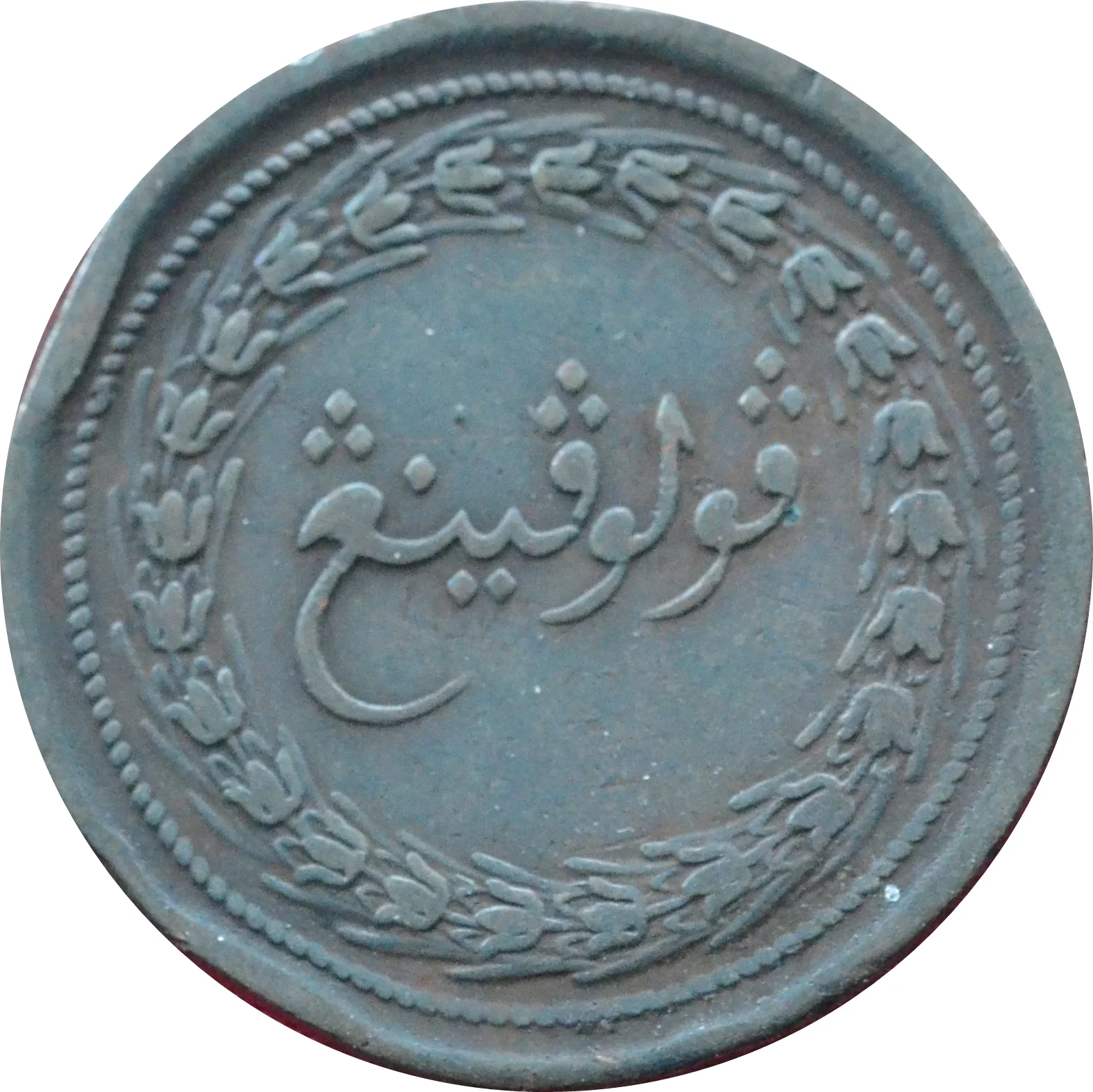
½ cent – Penang
Add to wishlist
Context
Material
References
KM: #
Numista: #47834
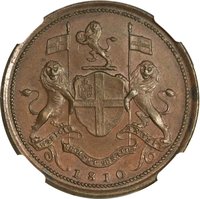
Obverse
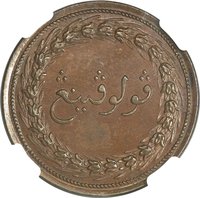
Reverse
Edge
Plain
Mints
| Name | Mark |
|---|---|
| Royal Mint (Tower Hill) | — |
Mintings
| Year | Mint Mark | Mintage | Quality | Collection |
|---|---|---|---|---|
| 1810 | — | — | ||
| 1810 | — | — | Proof |
Historical background
In 1810, Penang (then known as Prince of Wales Island) was a British trading post under the administration of the British East India Company. The island's currency situation was complex and chaotic, reflecting its role as a bustling multicultural entrepôt. The official currency was the Indian rupee, divided into 16 annas, as dictated by the Company's headquarters in Bengal. However, this system existed alongside a bewildering variety of other coins in daily circulation, including Spanish silver dollars, Dutch guilders, Chinese copper cash, and various Malay and Sumatran gold and tin coins. This proliferation made everyday commerce cumbersome, requiring merchants and shopkeepers to be adept at assessing the weight, purity, and fluctuating exchange rates of multiple coinages.
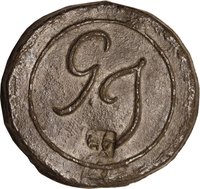
The primary challenge was a severe shortage of official small change, particularly copper coins for minor transactions. To fill this void, a wide array of unofficial "token" coins, often issued privately by local merchants and Chinese trading firms (kongsis), circulated freely. These tokens, typically made of lead or tin and bearing Chinese characters or merchant marks, were essential for the local bazaar economy but lacked any standardised value or guarantee. Their acceptance relied entirely on the reputation of the issuer, leading to confusion and potential fraud. The British authorities, recognising the problem, made sporadic attempts to introduce regulated copper coinage, but these efforts were insufficient to meet the demand of a rapidly growing port city.
Consequently, the monetary landscape of Penang in 1810 was one of pragmatic disorder. While large-scale trade and government accounts were conducted in rupees and dollars, the vibrant local market operated on a patchwork of improvised solutions. This instability highlighted the tension between the Company's desire for a unified imperial currency and the practical realities of a diverse Asian trading hub where multiple economic systems converged. The situation would eventually lead to more concerted reforms, but in this period, Penang's currency remained a fragmented and locally negotiated affair.
The primary challenge was a severe shortage of official small change, particularly copper coins for minor transactions. To fill this void, a wide array of unofficial "token" coins, often issued privately by local merchants and Chinese trading firms (kongsis), circulated freely. These tokens, typically made of lead or tin and bearing Chinese characters or merchant marks, were essential for the local bazaar economy but lacked any standardised value or guarantee. Their acceptance relied entirely on the reputation of the issuer, leading to confusion and potential fraud. The British authorities, recognising the problem, made sporadic attempts to introduce regulated copper coinage, but these efforts were insufficient to meet the demand of a rapidly growing port city.
Consequently, the monetary landscape of Penang in 1810 was one of pragmatic disorder. While large-scale trade and government accounts were conducted in rupees and dollars, the vibrant local market operated on a patchwork of improvised solutions. This instability highlighted the tension between the Company's desire for a unified imperial currency and the practical realities of a diverse Asian trading hub where multiple economic systems converged. The situation would eventually lead to more concerted reforms, but in this period, Penang's currency remained a fragmented and locally negotiated affair.
⭐ Rare