


200 dollars – Canada
Add to wishlist
Canada
Context
Material
References
KM: #
Numista: #14926
Value
Exchange value: 200 CAD
Bullion value: $2262.46
Inflation-adjusted value: 309.27 CAD
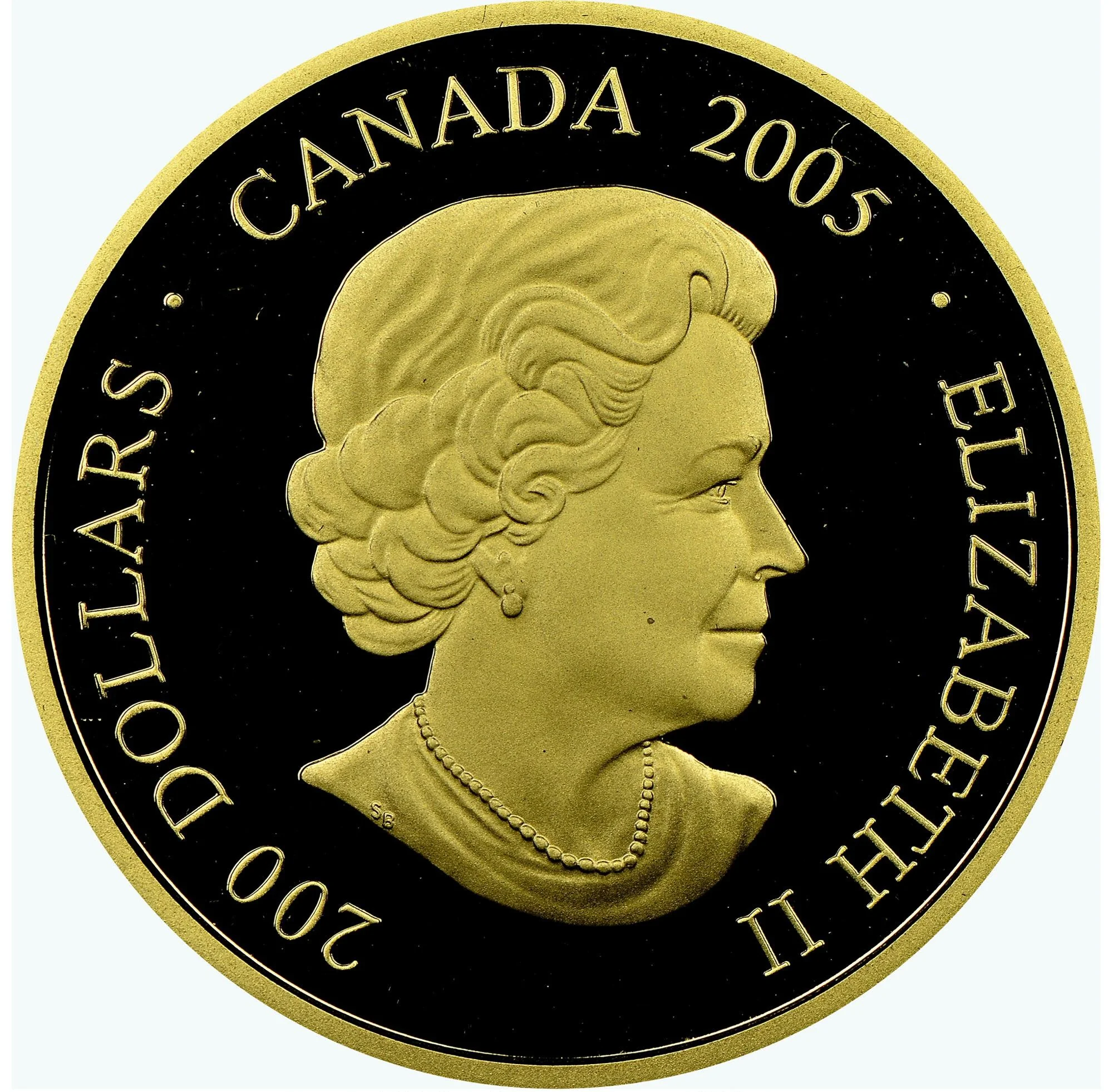
Obverse
Description:
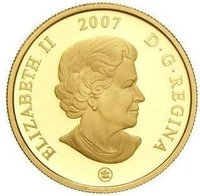
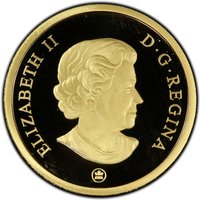
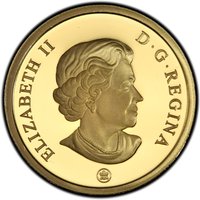
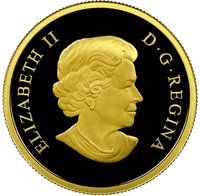
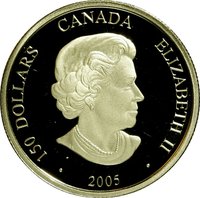
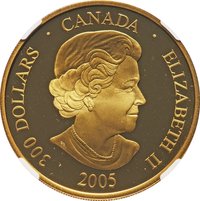
Queen Elizabeth II at 77, facing right, wearing a necklace and earrings.
Inscription:
200 DOLLARS · CANADA 2005 · ELIZABETH II
Script: Latin
Engraver: Susan Taylor
Designer: Susanna Blunt
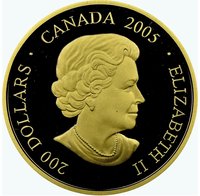
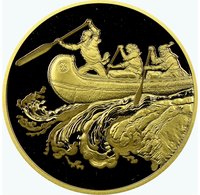
Reverse
Description:
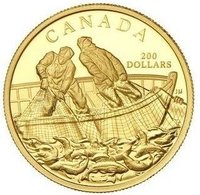
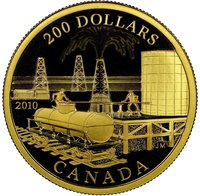
Fur traders navigating rapids.
Inscription:
JM
Script: Latin
Engraver: José Osio
Designer: John Mardon
Edge
Reeded
Categories
| Transportation> Watercraft |
Mints
| Name | Mark |
|---|---|
| Royal Canadian Mint of Ottawa | — |
Mintings
| Year | Mint Mark | Mintage | Quality | Collection |
|---|---|---|---|---|
| 2005 | — | 3,669 | Proof |
Historical background
In 2005, the Canadian dollar, colloquially known as the "loonie," experienced a period of remarkable and sustained appreciation, marking a significant shift from its historically lower valuation. The currency began the year trading near 82 US cents and embarked on a steady climb, driven primarily by a powerful commodity boom. As a major exporter of natural resources, Canada benefited from soaring global prices for oil, natural gas, and metals, driven by robust demand from rapidly industrializing economies like China. This created strong capital inflows and improved Canada's terms of trade, providing fundamental support for the currency's rise.
This appreciation presented a complex economic picture for the Bank of Canada and policymakers. On one hand, it helped curb inflation by making imported goods cheaper and gave Canadian consumers greater purchasing power for foreign travel and products. On the other hand, it posed a serious challenge for the export-oriented manufacturing sector, particularly in Central Canada, as their goods became more expensive for foreign buyers. The "hollowing out" of manufacturing became a key concern, with job losses in industries like automotive and forestry highlighting the painful adjustment to a higher currency environment driven by resource exports.
Throughout the year, the Bank of Canada, under Governor David Dodge, carefully navigated this situation. While the rising loonie had a disinflationary effect, the bank remained focused on core inflation and continued a gradual tightening cycle, raising its key policy rate from 2.5% to 3.25% by year's end. The currency's strength was largely seen as a market-driven adjustment to fundamental factors rather than a speculative bubble, though it prompted ongoing debate about Canada's evolving economic structure. By December 2005, the loonie closed near 86 US cents, setting the stage for its dramatic ascent to parity with the US dollar in the following two years.
This appreciation presented a complex economic picture for the Bank of Canada and policymakers. On one hand, it helped curb inflation by making imported goods cheaper and gave Canadian consumers greater purchasing power for foreign travel and products. On the other hand, it posed a serious challenge for the export-oriented manufacturing sector, particularly in Central Canada, as their goods became more expensive for foreign buyers. The "hollowing out" of manufacturing became a key concern, with job losses in industries like automotive and forestry highlighting the painful adjustment to a higher currency environment driven by resource exports.
Throughout the year, the Bank of Canada, under Governor David Dodge, carefully navigated this situation. While the rising loonie had a disinflationary effect, the bank remained focused on core inflation and continued a gradual tightening cycle, raising its key policy rate from 2.5% to 3.25% by year's end. The currency's strength was largely seen as a market-driven adjustment to fundamental factors rather than a speculative bubble, though it prompted ongoing debate about Canada's evolving economic structure. By December 2005, the loonie closed near 86 US cents, setting the stage for its dramatic ascent to parity with the US dollar in the following two years.
Series: Historical Commerce



✨ Legendary