

200 dollars – Canada
Add to wishlist
Canada
Context
Material
References
KM: #
Numista: #14925
Value
Exchange value: 200 CAD
Bullion value: $2283.72
Inflation-adjusted value: 315.02 CAD
Obverse
Description:
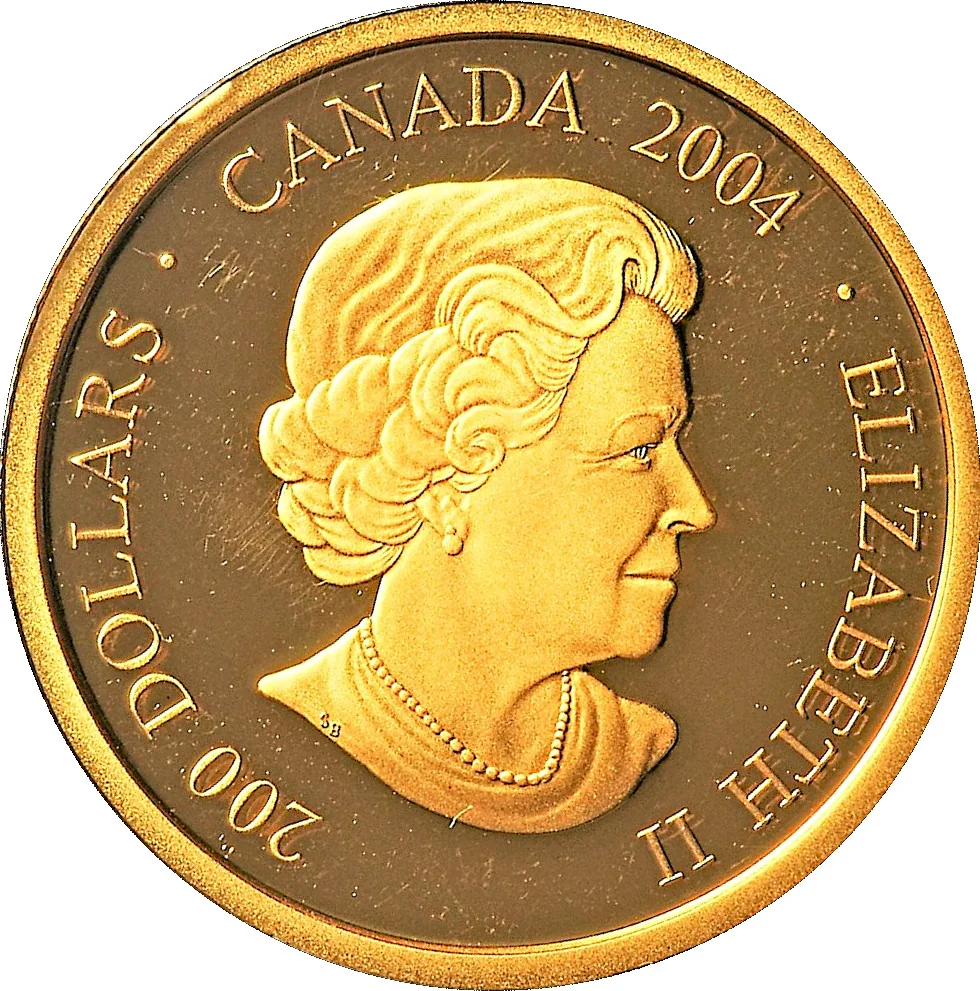
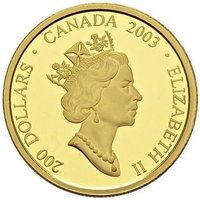
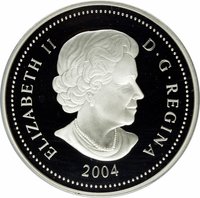
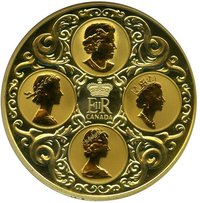
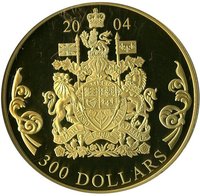
Queen Elizabeth II at 77, facing right, wearing a necklace and earrings.
Inscription:
200 DOLLARS · CANADA 2004 · ELIZABETH II
SB
SB
Script: Latin
Engraver: Susan Taylor
Designer: Susanna Blunt
Reverse
Description:
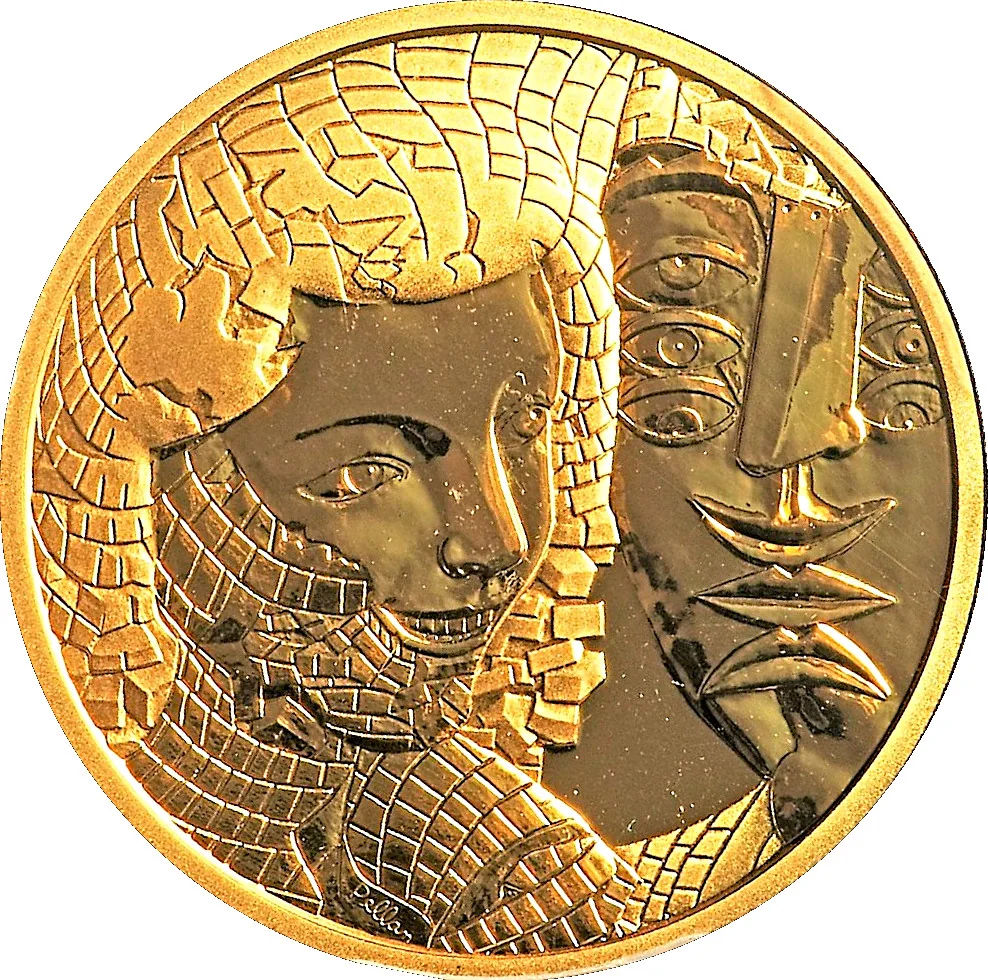
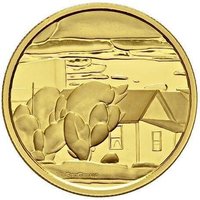
Split faces, many eyes and mouths.
Inscription:
Pellan
Script: Latin
Engraver: Christie Paquet
Designer: Alfred Pellan
Edge
Reeded
Mints
| Name | Mark |
|---|---|
| Royal Canadian Mint of Ottawa | — |
Mintings
| Year | Mint Mark | Mintage | Quality | Collection |
|---|---|---|---|---|
| 2004 | — | 3,917 | Proof |
Historical background
In 2004, the Canadian dollar, colloquially known as the "loonie," was in the midst of a powerful and sustained appreciation against the US dollar, a trend that defined the nation's economic landscape. Having hit a historic low of US$0.6179 in 2002, the currency began a dramatic climb, driven by a potent combination of soaring global commodity prices—particularly for oil, natural gas, and metals—and a weakening US dollar. By the end of 2004, the loonie had surged to approximately US$0.83, a gain of over 35% from its low, marking its strongest performance in over a decade and capturing significant attention from policymakers, businesses, and the public.
This rapid appreciation presented a classic "two-speed economy" challenge. Resource-rich regions, especially in Western Canada, boomed due to high export revenues. However, the manufacturing heartland of Ontario and Quebec faced severe pressure, as a more expensive dollar made Canadian exports less competitive and imports cheaper, squeezing profit margins and leading to job losses in sectors like automotive and forestry. The Bank of Canada, under Governor David Dodge, was tasked with a delicate balancing act: managing inflationary pressures from a booming resource sector while mitigating the economic pain in manufacturing.
The Bank's primary response was a gradual tightening of monetary policy, raising its key overnight lending rate from 2.25% in April to 2.50% by year's end to curb inflation, which remained within the target band but was a growing concern. Policymakers also engaged in verbal intervention, openly discussing the currency's strength and its economic impacts, while generally accepting the rise as a reflection of fundamental economic forces rather than attempting direct manipulation. The 2004 currency situation thus set the stage for the loonie's eventual march toward parity with the US dollar in 2007, fundamentally reshaping Canada's trade dynamics and industrial structure for years to come.
This rapid appreciation presented a classic "two-speed economy" challenge. Resource-rich regions, especially in Western Canada, boomed due to high export revenues. However, the manufacturing heartland of Ontario and Quebec faced severe pressure, as a more expensive dollar made Canadian exports less competitive and imports cheaper, squeezing profit margins and leading to job losses in sectors like automotive and forestry. The Bank of Canada, under Governor David Dodge, was tasked with a delicate balancing act: managing inflationary pressures from a booming resource sector while mitigating the economic pain in manufacturing.
The Bank's primary response was a gradual tightening of monetary policy, raising its key overnight lending rate from 2.25% in April to 2.50% by year's end to curb inflation, which remained within the target band but was a growing concern. Policymakers also engaged in verbal intervention, openly discussing the currency's strength and its economic impacts, while generally accepting the rise as a reflection of fundamental economic forces rather than attempting direct manipulation. The 2004 currency situation thus set the stage for the loonie's eventual march toward parity with the US dollar in 2007, fundamentally reshaping Canada's trade dynamics and industrial structure for years to come.
✨ Legendary