

1 mun – Joseon
Add to wishlist
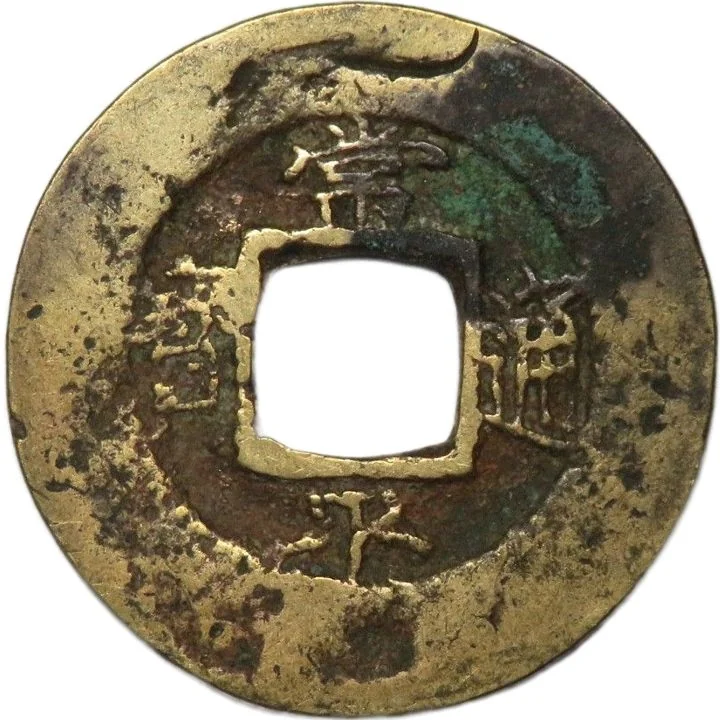
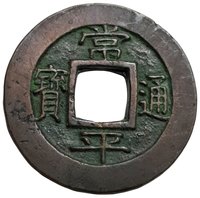
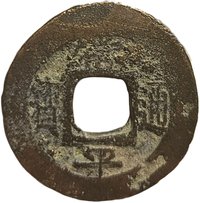
Obverse
Description:
常平通寶 (Sang pyong Tong bo) - Yi Dynasty Korean currency.
Inscription:
常
寶 通
平
寶 通
平
Translation:
Eternal Treasure
Circulating Currency
Circulating Currency
Scripts: Chinese (traditional, regular script)
Language: Chinese
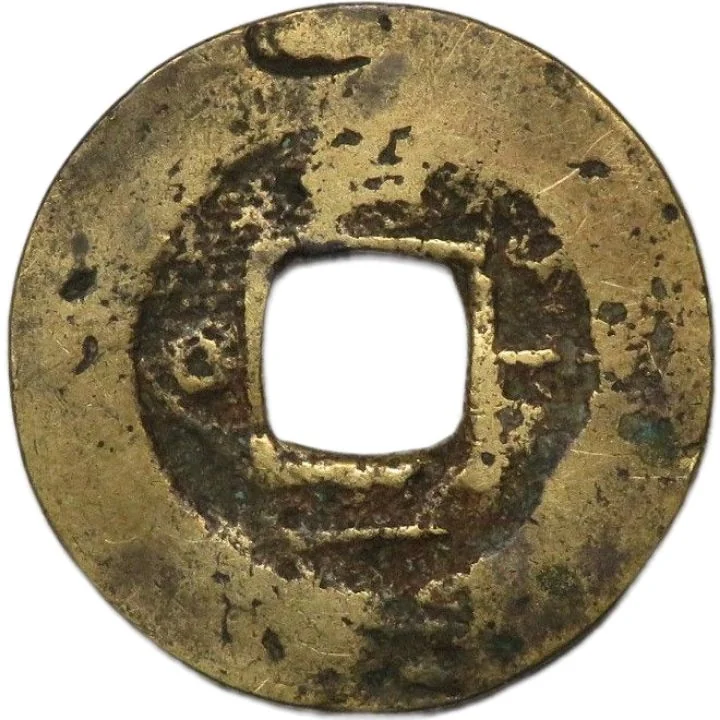
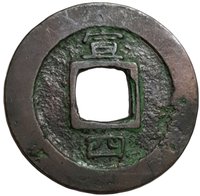
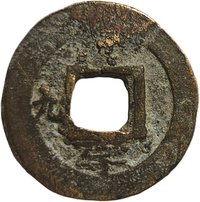
Reverse
Description:
Mint mark top, serial bottom; left circle, right "one." *户: Treasury.
Inscription:
户
○ 一
一
○ 一
一
Translation:
Household
One Tael
One Tael
Scripts: Chinese (traditional, regular script)
Language: Chinese
Edge
© amakitu_Japan (CC BY-NC)
Mints
| Name | Mark |
|---|---|
| Treasury Department | 户 |
Mintings
| Year | Mint Mark | Mintage | Quality | Collection |
|---|---|---|---|---|
| 1814 | 户 | — |
Historical background
In 1814, the currency situation in Joseon Korea was characterized by severe instability and debasement, primarily driven by a chronic shortage of standardized coinage. The official currency, the sangpyeong tongbo brass coin, was in insufficient supply to meet the needs of a growing commercial economy, leading to widespread use of privately minted coins and commodity money like cloth and rice. This scarcity was exacerbated by the state's limited copper reserves and inefficient minting processes, creating a vacuum filled by irregular and often inferior private coins that circulated at fluctuating values, undermining public trust in the monetary system.
The core of the crisis lay in the government's fiscal policies. To raise revenue, the state repeatedly engaged in debasement—reducing the copper content in newly minted coins while mandating they have the same face value as older, purer coins. This practice, intended as a short-term solution to fund the royal treasury and state projects, triggered rampant inflation. As more debased coins entered circulation, the value of all coinage plummeted, causing prices for essential goods to soar. The resulting economic hardship fell heavily on the peasantry and lower-ranking yangban, who paid taxes in fixed amounts of grain or cloth but conducted daily transactions in an increasingly worthless currency.
Consequently, the year 1814 fell within a period of significant social and economic strain. The currency instability eroded the government's credibility and exacerbated existing inequalities, contributing to rising popular discontent. While King Sunjo was on the throne, real power often lay with the Andong Kim clan in-law faction, whose patronage networks benefited from the disordered system. The monetary chaos of this era reflected deeper structural weaknesses within the late Joseon state, hindering commercial growth and foreshadowing the more severe fiscal crises and rebellions that would challenge the dynasty in the decades to come.
The core of the crisis lay in the government's fiscal policies. To raise revenue, the state repeatedly engaged in debasement—reducing the copper content in newly minted coins while mandating they have the same face value as older, purer coins. This practice, intended as a short-term solution to fund the royal treasury and state projects, triggered rampant inflation. As more debased coins entered circulation, the value of all coinage plummeted, causing prices for essential goods to soar. The resulting economic hardship fell heavily on the peasantry and lower-ranking yangban, who paid taxes in fixed amounts of grain or cloth but conducted daily transactions in an increasingly worthless currency.
Consequently, the year 1814 fell within a period of significant social and economic strain. The currency instability eroded the government's credibility and exacerbated existing inequalities, contributing to rising popular discontent. While King Sunjo was on the throne, real power often lay with the Andong Kim clan in-law faction, whose patronage networks benefited from the disordered system. The monetary chaos of this era reflected deeper structural weaknesses within the late Joseon state, hindering commercial growth and foreshadowing the more severe fiscal crises and rebellions that would challenge the dynasty in the decades to come.
✨ Legendary