

1 florin – Hungary
Add to wishlist
Hungary
Context
Years: 1870–1879
Issuer: Hungary
Ruler: Francis Joseph I
Currency:
(1857—1892)
Demonetized: Yes
Total mintage: 52,310,373
Material
References
KM: #
Numista: #4736
Value
Bullion value: $27.71
Obverse
Description:
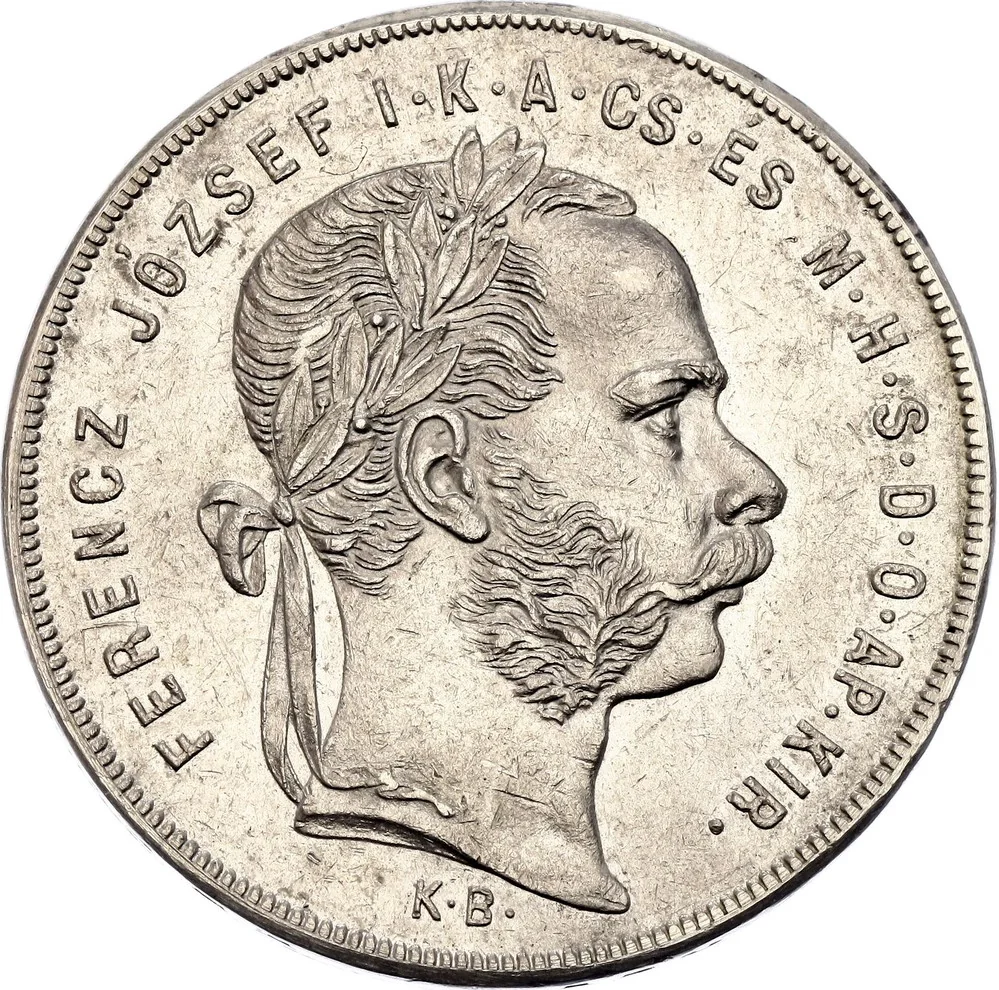
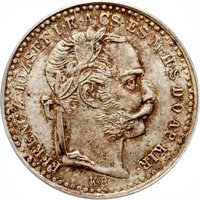
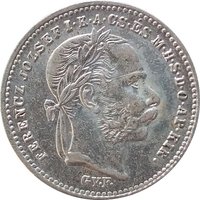
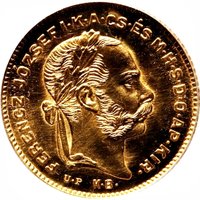
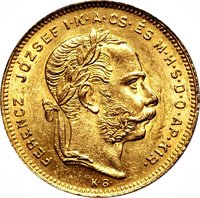
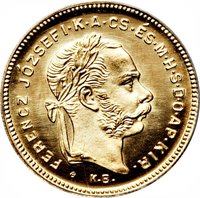
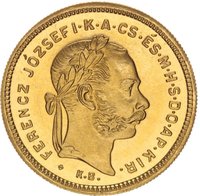
Mature bust, right profile.
Inscription:
FERENCZ JÓZSEF I . K . A . CS . ÉS M . H . S . D . O . AP . KIR .
K. B.
K. B.
Translation:
Francis Joseph I, Emperor of Austria, Apostolic King of Hungary, King of Bohemia, etc., and Dalmatia, Croatia, Slavonia.
Script: Latin
Engraver: Josef Tautenhayn
Reverse
Description:
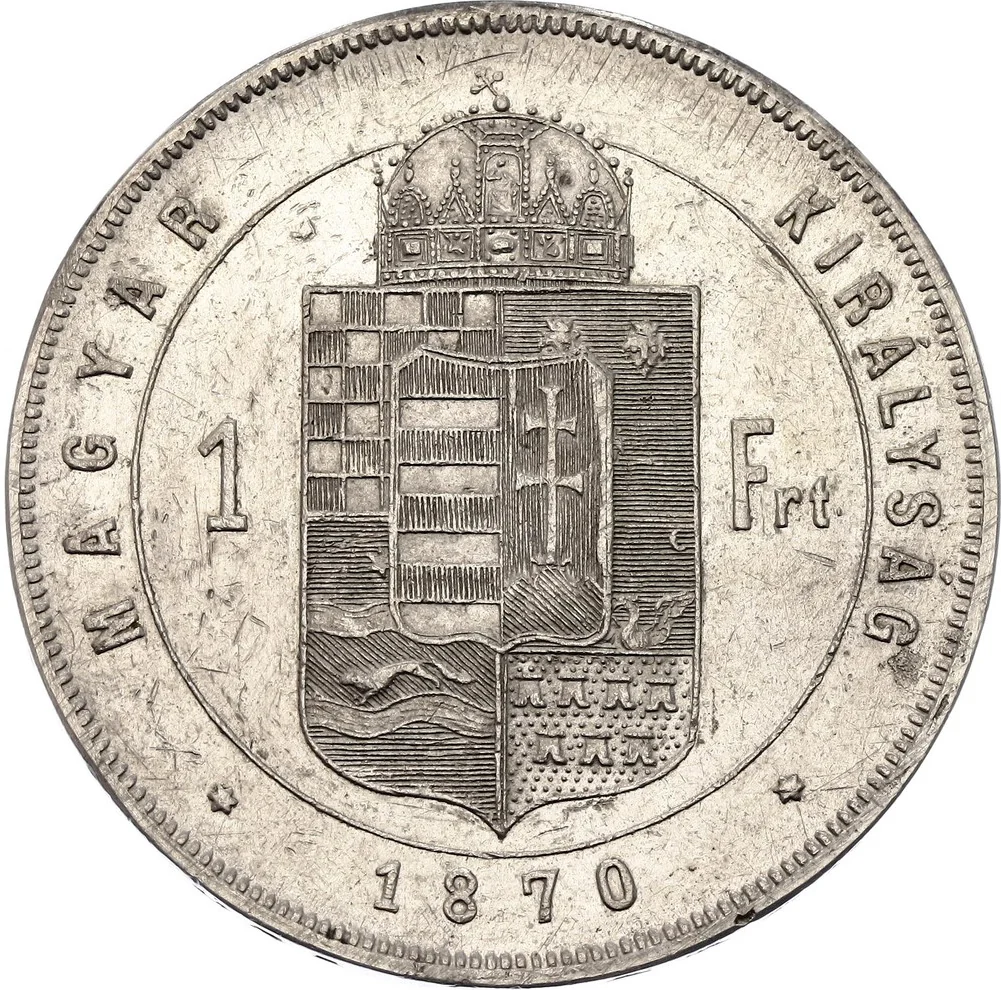
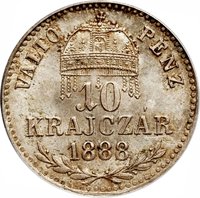
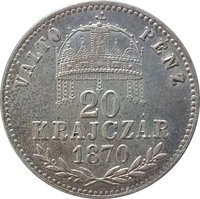
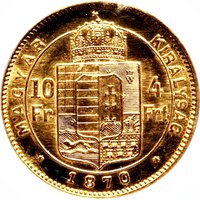
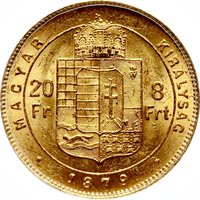
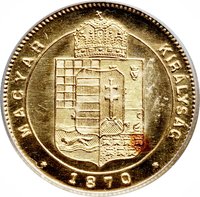
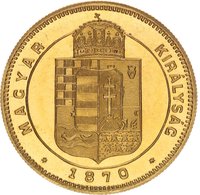
Middle coat of arms topped by St. Stephen's crown.
Inscription:
MAGYAR KIRÁLYSÁG
1 Frt
1879
1 Frt
1879
Translation:
Kingdom of Hungary
1 Forint
1879
1 Forint
1879
Script: Latin
Language: Hungarian
Engraver: Franz Gaul
Edge
Inscribed text
Legend:
BIZALMAM AZ ŐSI ERÉNYBEN
Translation:
My trust is in ancient virtue.
Language: Hungarian
Mints
| Name | Mark |
|---|---|
| Alba Iulia | GY F |
| Kremnica | K B |
Mintings
| Year | Mint Mark | Mintage | Quality | Collection |
|---|---|---|---|---|
| 1870 | GY | 567,922 | ||
| 1870 | K | 1,253,687 | ||
| 1871 | GY | 242,750 | ||
| 1871 | K | 2,444,984 | ||
| 1872 | K | 3,456,245 | ||
| 1873 | K | 2,338,364 | ||
| 1874 | K | 2,081,702 | ||
| 1875 | K | 2,073,958 | ||
| 1876 | K | 4,136,174 | ||
| 1877 | K | 2,241,286 | ||
| 1878 | K | 5,717,374 | ||
| 1879 | K B | — | ||
| 1879 | K | 25,755,927 |
Historical background
In 1870, Hungary's currency situation was intrinsically tied to its position within the Austro-Hungarian Empire, following the Compromise (Ausgleich) of 1867. The empire operated under a unified monetary system based on the silver florin (or gulden), issued by the Austro-Hungarian Bank. While this provided stability and facilitated trade within the vast imperial market, it also meant Hungary did not have independent control over its monetary policy, interest rates, or banknote issuance. This centralization was a point of contention for Hungarian nationalists and economists who sought greater economic autonomy for the Kingdom of Hungary.
Economically, the period was one of transition and rapid growth, financed in part by significant paper money issuance. The state was investing heavily in infrastructure, such as railway construction, and the 1870s marked the beginning of a speculative boom. However, the currency itself was on a de facto silver standard, though the banknotes in circulation were not fully convertible to silver on demand. This created a complex dual system where both silver coins and paper notes circulated, with the value of the paper gulden occasionally fluctuating against metal.
The broader European shift towards the gold standard in the 1870s would soon create decisive pressure on the Austro-Hungarian monetary system. While the landmark decision to adopt the gold standard and introduce the new currency, the korona (crown), would not occur until 1892, the debates and economic forces leading to this change were already gathering momentum by 1870. Thus, Hungary's currency in that year existed in a state of managed stability under imperial authority, but on the cusp of major international monetary changes that would redefine its financial framework in the coming decades.
Economically, the period was one of transition and rapid growth, financed in part by significant paper money issuance. The state was investing heavily in infrastructure, such as railway construction, and the 1870s marked the beginning of a speculative boom. However, the currency itself was on a de facto silver standard, though the banknotes in circulation were not fully convertible to silver on demand. This created a complex dual system where both silver coins and paper notes circulated, with the value of the paper gulden occasionally fluctuating against metal.
The broader European shift towards the gold standard in the 1870s would soon create decisive pressure on the Austro-Hungarian monetary system. While the landmark decision to adopt the gold standard and introduce the new currency, the korona (crown), would not occur until 1892, the debates and economic forces leading to this change were already gathering momentum by 1870. Thus, Hungary's currency in that year existed in a state of managed stability under imperial authority, but on the cusp of major international monetary changes that would redefine its financial framework in the coming decades.
Series: 1870 Hungary circulation coins
🌱 Common