

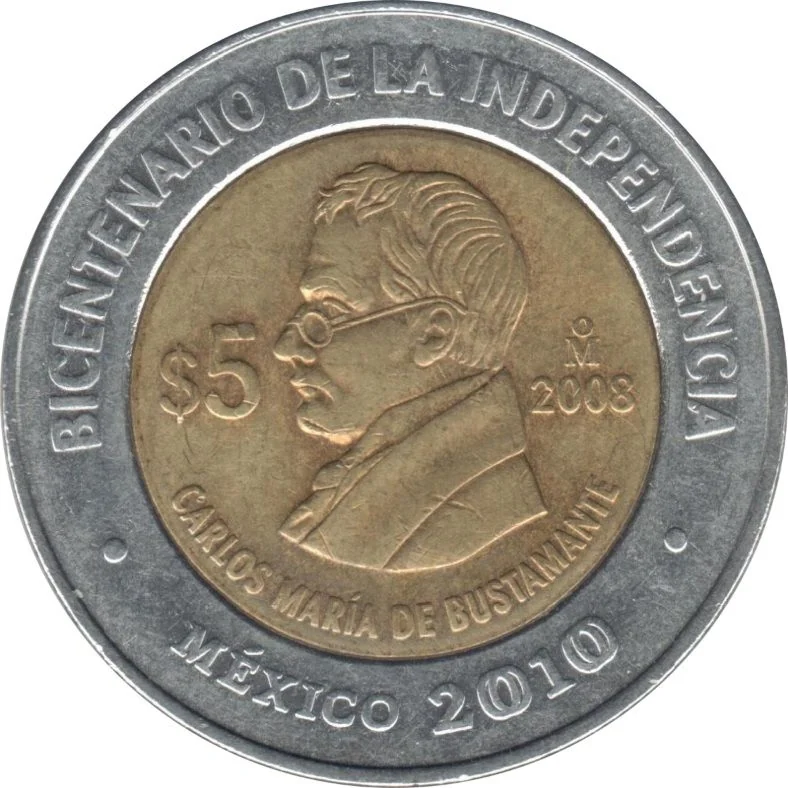
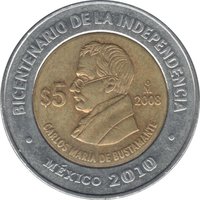
5 Pesos (Carlos María de Bustamante) – Mexico
Circulating commemorative coins
Commemoration: Independence bicentenary: Carlos María de Bustamante
Series: Bicentenary of Independence
Mexico
Context
Material
References
KM: #Click to copy to clipboard896
Numista: #14909
Value
Exchange value: 5 MXN = $0.29
Inflation-adjusted value: 10.57 MXN
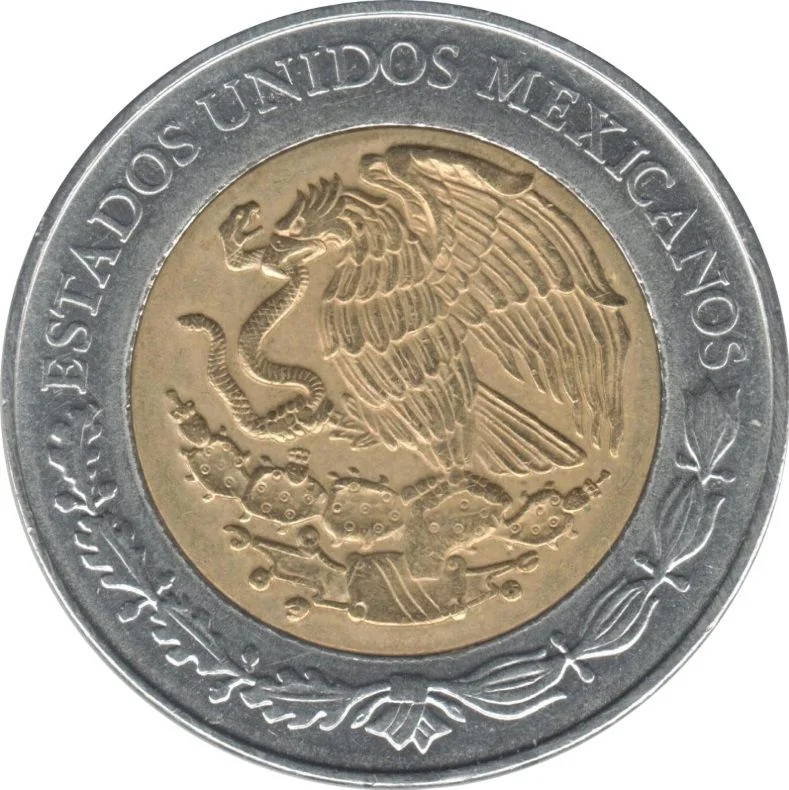
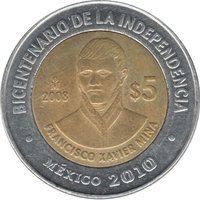
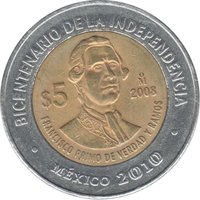
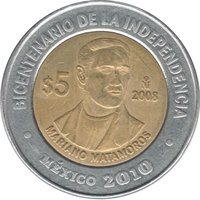
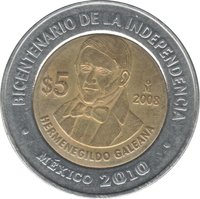
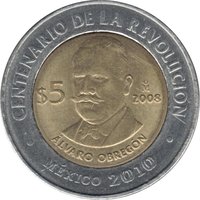
Obverse
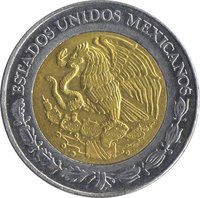
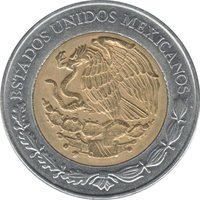
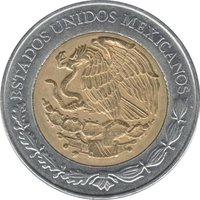
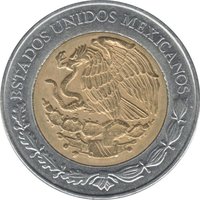
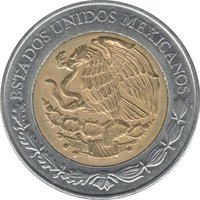
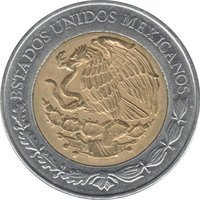
Reverse
Edge
Plain
Categories
| Event> Independence |
| Person> Politician |
Mints
| Name | Mark |
|---|---|
| Mexican Mint | Mo |
Historical background
In 2008, Mexico's currency, the peso (MXN), faced severe pressure due to the global financial crisis, experiencing significant volatility and depreciation. The crisis originated in the United States, Mexico's largest trading partner, leading to a sharp contraction in U.S. demand for Mexican exports and a dramatic reduction in remittances from Mexicans working abroad. Furthermore, global risk aversion triggered a massive flight of capital from emerging markets like Mexico, as investors sought safe-haven assets, putting intense downward pressure on the peso.
The Mexican government and central bank (Banxico) responded with a series of interventions to stabilize the currency and provide liquidity. In October 2008, Banxico initiated a daily dollar auction program, offering up to $400 million to support the peso without depleting foreign reserves. Concurrently, the government entered into a flexible credit line of up to $47 billion with the International Monetary Fund (IMF) as a precautionary safety net, which bolstered market confidence. These measures were implemented alongside interest rate adjustments and fiscal stimulus to counteract the broader economic recession.
By year's end, the peso had depreciated approximately 25% against the U.S. dollar from its level at the start of 2008, making it one of the worst-performing major currencies that year. This depreciation had a dual effect: it made exports cheaper and more competitive, but it also increased the cost of servicing dollar-denominated debt and contributed to imported inflation. The 2008 episode underscored Mexico's deep economic integration with the United States and its vulnerability to external financial shocks, prompting ongoing discussions about macroeconomic resilience and the management of the floating exchange rate regime.
The Mexican government and central bank (Banxico) responded with a series of interventions to stabilize the currency and provide liquidity. In October 2008, Banxico initiated a daily dollar auction program, offering up to $400 million to support the peso without depleting foreign reserves. Concurrently, the government entered into a flexible credit line of up to $47 billion with the International Monetary Fund (IMF) as a precautionary safety net, which bolstered market confidence. These measures were implemented alongside interest rate adjustments and fiscal stimulus to counteract the broader economic recession.
By year's end, the peso had depreciated approximately 25% against the U.S. dollar from its level at the start of 2008, making it one of the worst-performing major currencies that year. This depreciation had a dual effect: it made exports cheaper and more competitive, but it also increased the cost of servicing dollar-denominated debt and contributed to imported inflation. The 2008 episode underscored Mexico's deep economic integration with the United States and its vulnerability to external financial shocks, prompting ongoing discussions about macroeconomic resilience and the management of the floating exchange rate regime.
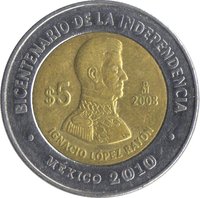
Series: Bicentenary of Independence
🌱 Common