

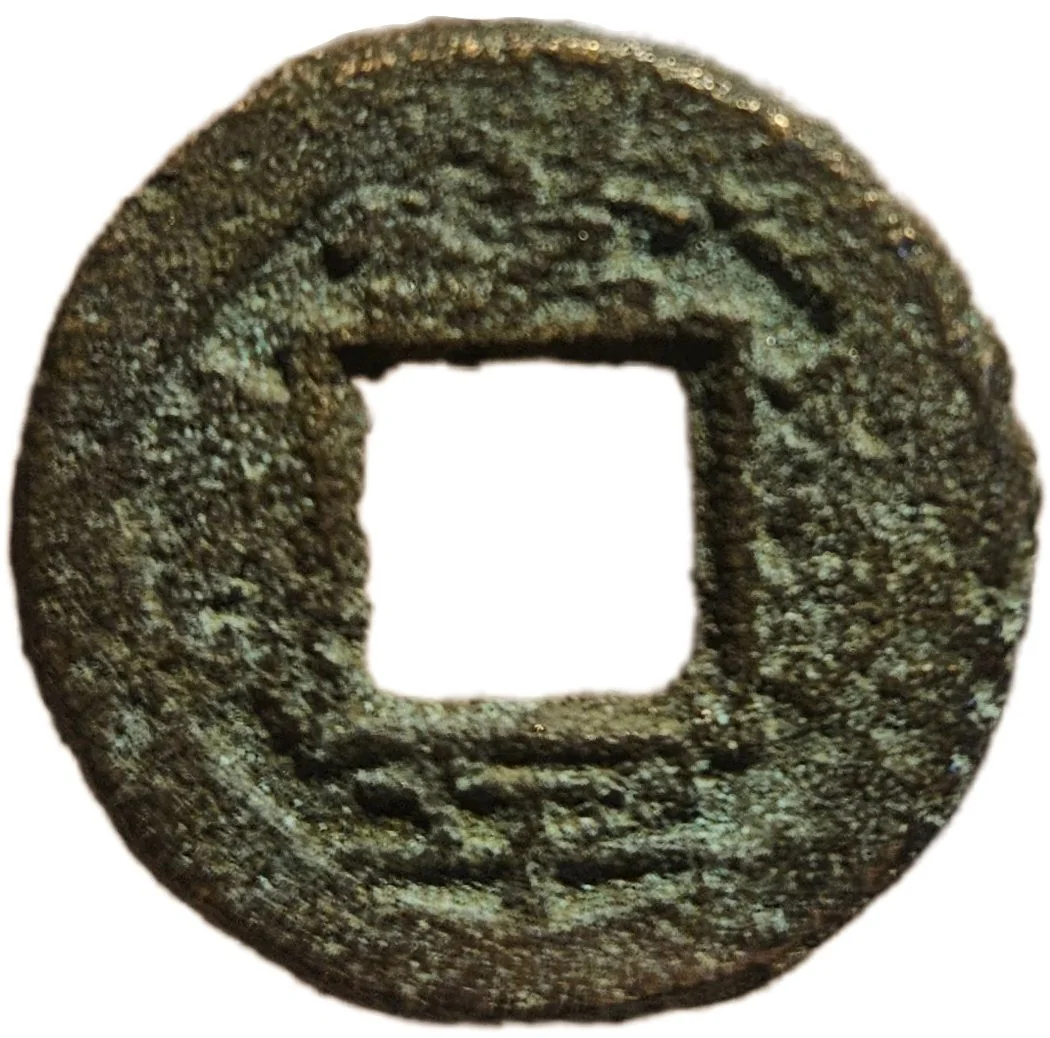
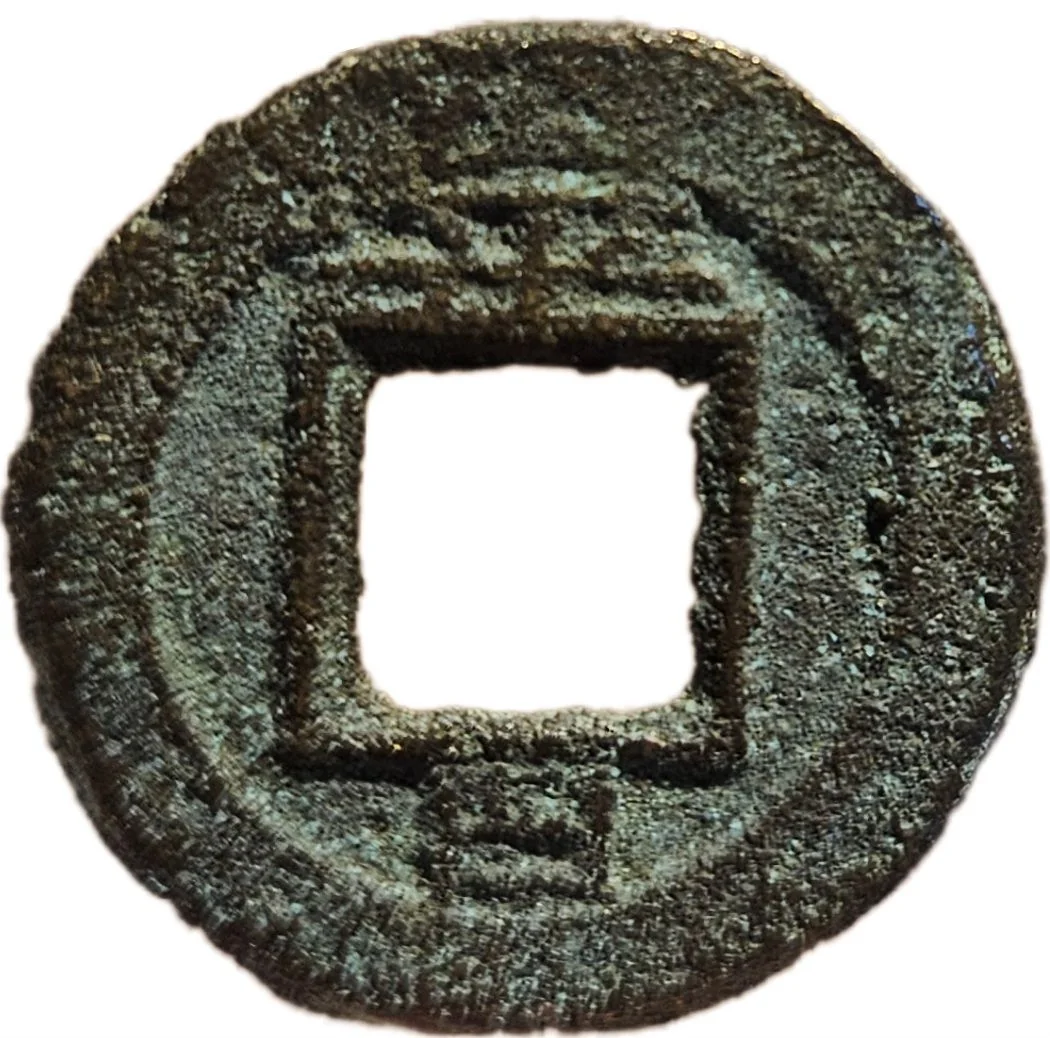
1 mun – Joseon
Add to wishlist
Context
Material
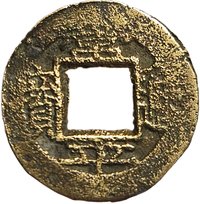
Diameter: 21.5 mm
Weight: 2.8 g
Thickness: 1.45 mm
Shape: Round with a square hole
Composition: Bronze
Magnetic: No
Technique: Cast
Alignment: Medal alignment
flip
References
KM: #
Numista: #471247
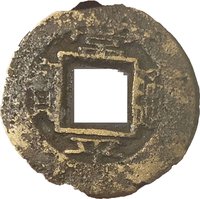
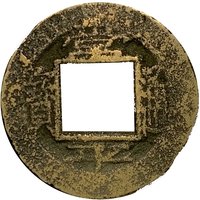
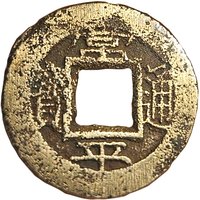
Obverse
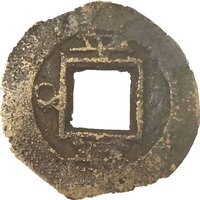
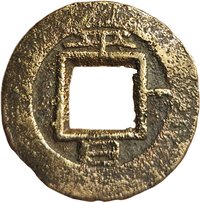
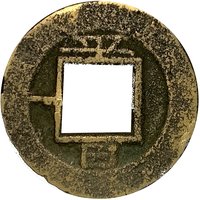
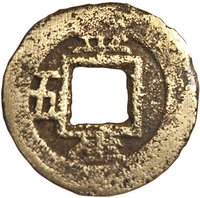
Reverse
Edge
Mints
| Name | Mark |
|---|---|
| P'yongan Provincial Office | 平 |
Mintings
| Year | Mint Mark | Mintage | Quality | Collection |
|---|---|---|---|---|
| 1891 | 平 | — |
Historical background
In 1891, the currency system of the Joseon Dynasty was in a state of profound crisis and transition, caught between a collapsing traditional order and intensifying foreign economic pressure. The primary circulating coin, the sangpyeong tongbo copper cash, had been severely debased over decades, leading to rampant inflation and a loss of public trust. Furthermore, the kingdom suffered from a chaotic multiplicity of currencies, including older Chinese coins, privately minted "village coins" of dubious quality, and a growing influx of foreign silver, particularly the Mexican silver dollar from Chinese and Japanese merchants. This fragmentation crippled domestic trade and state finances, as the government struggled to collect taxes in a stable medium.
The core of the crisis was the state's loss of monetary sovereignty. Decades of inadequate minting to meet demand had created a coin shortage, which private mints and counterfeiters filled with inferior products, further devaluing the currency. Meanwhile, the Treaty of Ganghwa (1876) and subsequent agreements had forced open Joseon's ports, granting foreign merchants extraterritorial rights. They conducted trade in silver dollars, which, being a stable and high-value currency, began to dominate commercial transactions in open ports like Incheon and Busan. This created a dual monetary system where the unstable yang (unit of account) of the copper cash existed alongside a foreign silver standard, disadvantaging Korean merchants and draining silver bullion from the country.
King Gojong's government recognized the need for reform, but efforts were slow and met with resistance. The Donghak peasant grievances, which would erupt into rebellion just three years later, partly stemmed from this economic distress. While discussions about modern minting had begun, it was not until 1892 that the state would issue new, machine-struck copper coins (eunhye) in a serious attempt to reassert control. Therefore, in 1891, Joseon stood at a monetary precipice, its traditional system untenable, yet without a fully implemented modern alternative, leaving its economy vulnerable to both internal dysfunction and external domination.
The core of the crisis was the state's loss of monetary sovereignty. Decades of inadequate minting to meet demand had created a coin shortage, which private mints and counterfeiters filled with inferior products, further devaluing the currency. Meanwhile, the Treaty of Ganghwa (1876) and subsequent agreements had forced open Joseon's ports, granting foreign merchants extraterritorial rights. They conducted trade in silver dollars, which, being a stable and high-value currency, began to dominate commercial transactions in open ports like Incheon and Busan. This created a dual monetary system where the unstable yang (unit of account) of the copper cash existed alongside a foreign silver standard, disadvantaging Korean merchants and draining silver bullion from the country.
King Gojong's government recognized the need for reform, but efforts were slow and met with resistance. The Donghak peasant grievances, which would erupt into rebellion just three years later, partly stemmed from this economic distress. While discussions about modern minting had begun, it was not until 1892 that the state would issue new, machine-struck copper coins (eunhye) in a serious attempt to reassert control. Therefore, in 1891, Joseon stood at a monetary precipice, its traditional system untenable, yet without a fully implemented modern alternative, leaving its economy vulnerable to both internal dysfunction and external domination.
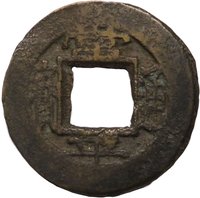
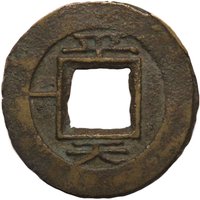
Series: 1891 Joseon circulation coins
✨ Legendary