

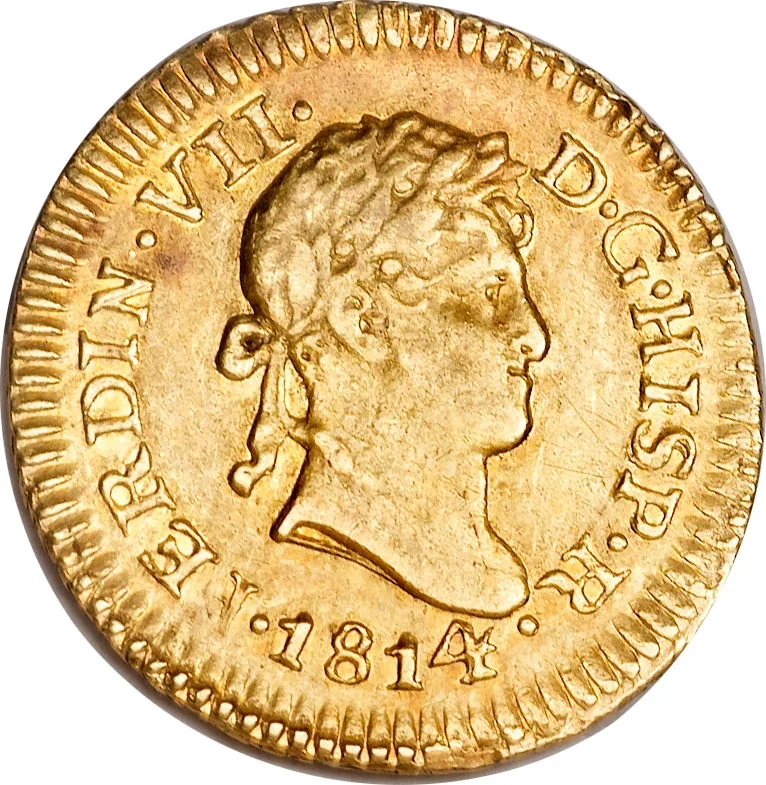
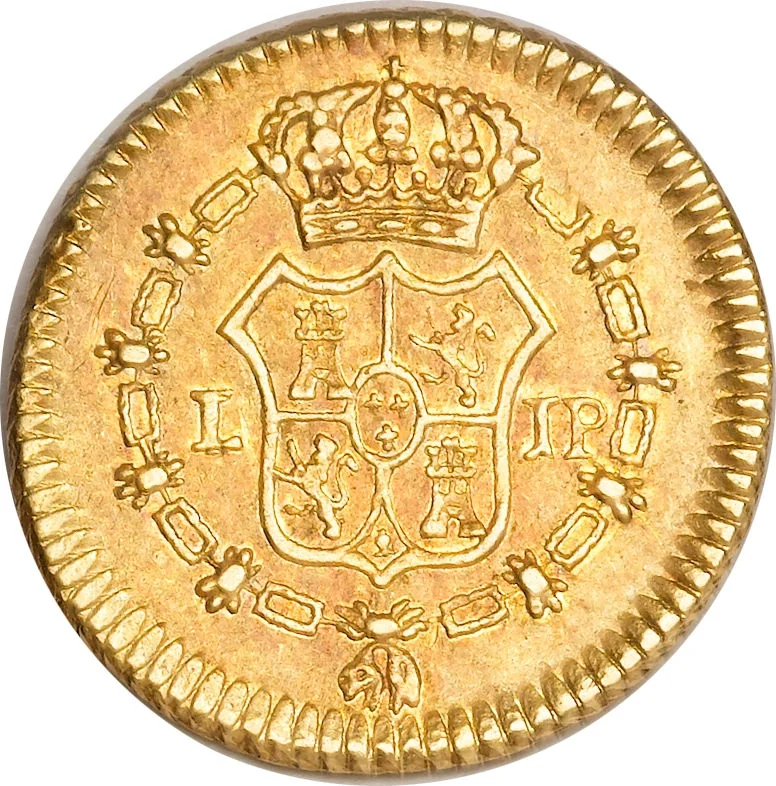
Mints
| Name | Mark |
|---|---|
| Lima | — |
Mintings
| Year | Mint Mark | Mintage | Quality | Collection |
|---|---|---|---|---|
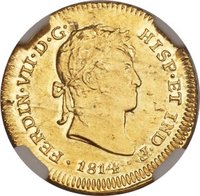
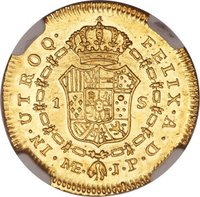
| 1814 | JP | — | ||
| 1815 | JP | — | ||
| 1816 | JP | — | ||
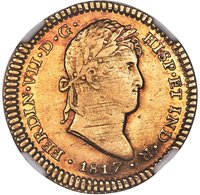
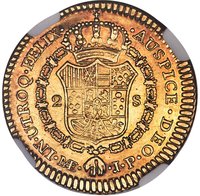
| 1817 | JP | — | ||
| 1818 | JP | — | ||
| 1819 | JP | — | ||
| 1820 | JP | — | ||
| 1821 | JP | — |
Historical background
In 1814, Peru's currency situation was a direct reflection of its status as the wealthy but tightly controlled heart of the Spanish Viceroyalty. Unlike neighboring regions already embroiled in the wars of independence, Peru remained a royalist stronghold, and its monetary system was still firmly tied to the Spanish Crown. The primary circulating coins were minted from silver extracted from the rich mines of Potosí (in present-day Bolivia) and Cerro de Pasco in the Peruvian highlands. These coins, primarily pesos and reales struck at the Lima mint, were the lifeblood of the colonial economy, facilitating trade within the viceroyalty and funding royalist military campaigns against insurgents elsewhere in South America.
However, the system was under significant strain. The Peninsular War in Spain (1808-1814) and the ensuing political chaos had severely disrupted the transatlantic supply chain, leading to shortages of essential goods and inflationary pressures. Furthermore, to finance the costly wars against independence movements, royalist authorities increasingly resorted to fiscal measures that destabilized the currency. This included the issuance of vales reales (royal bonds or promissory notes) and the forced "loans" extracted from the Lima merchant guild and the indigenous population, which eroded confidence in the monetary system even as the physical silver coinage remained prevalent.
Consequently, while Peru in 1814 did not yet experience the complete monetary collapse or proliferation of makeshift currencies seen in revolutionary regions, its fiscal foundations were weakening. The economy operated on a dual track: a still-robust circulation of precious metal coinage underpinned by mining, coexisting with growing paper debt and inflationary trends caused by wartime financial demands. This precarious balance would be shattered just a few years later as the independence movement, led by José de San Martín, reached Peru's shores, ultimately leading to the complete overhaul of its colonial monetary system.
However, the system was under significant strain. The Peninsular War in Spain (1808-1814) and the ensuing political chaos had severely disrupted the transatlantic supply chain, leading to shortages of essential goods and inflationary pressures. Furthermore, to finance the costly wars against independence movements, royalist authorities increasingly resorted to fiscal measures that destabilized the currency. This included the issuance of vales reales (royal bonds or promissory notes) and the forced "loans" extracted from the Lima merchant guild and the indigenous population, which eroded confidence in the monetary system even as the physical silver coinage remained prevalent.
Consequently, while Peru in 1814 did not yet experience the complete monetary collapse or proliferation of makeshift currencies seen in revolutionary regions, its fiscal foundations were weakening. The economy operated on a dual track: a still-robust circulation of precious metal coinage underpinned by mining, coexisting with growing paper debt and inflationary trends caused by wartime financial demands. This precarious balance would be shattered just a few years later as the independence movement, led by José de San Martín, reached Peru's shores, ultimately leading to the complete overhaul of its colonial monetary system.
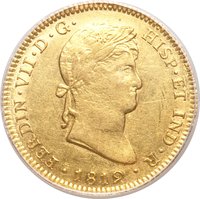
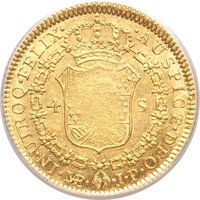
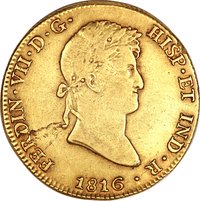
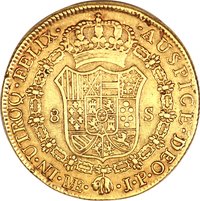
Series: 1814 Peru circulation coins
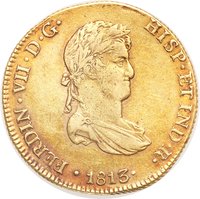
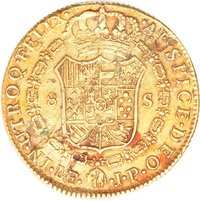
✨ Legendary