

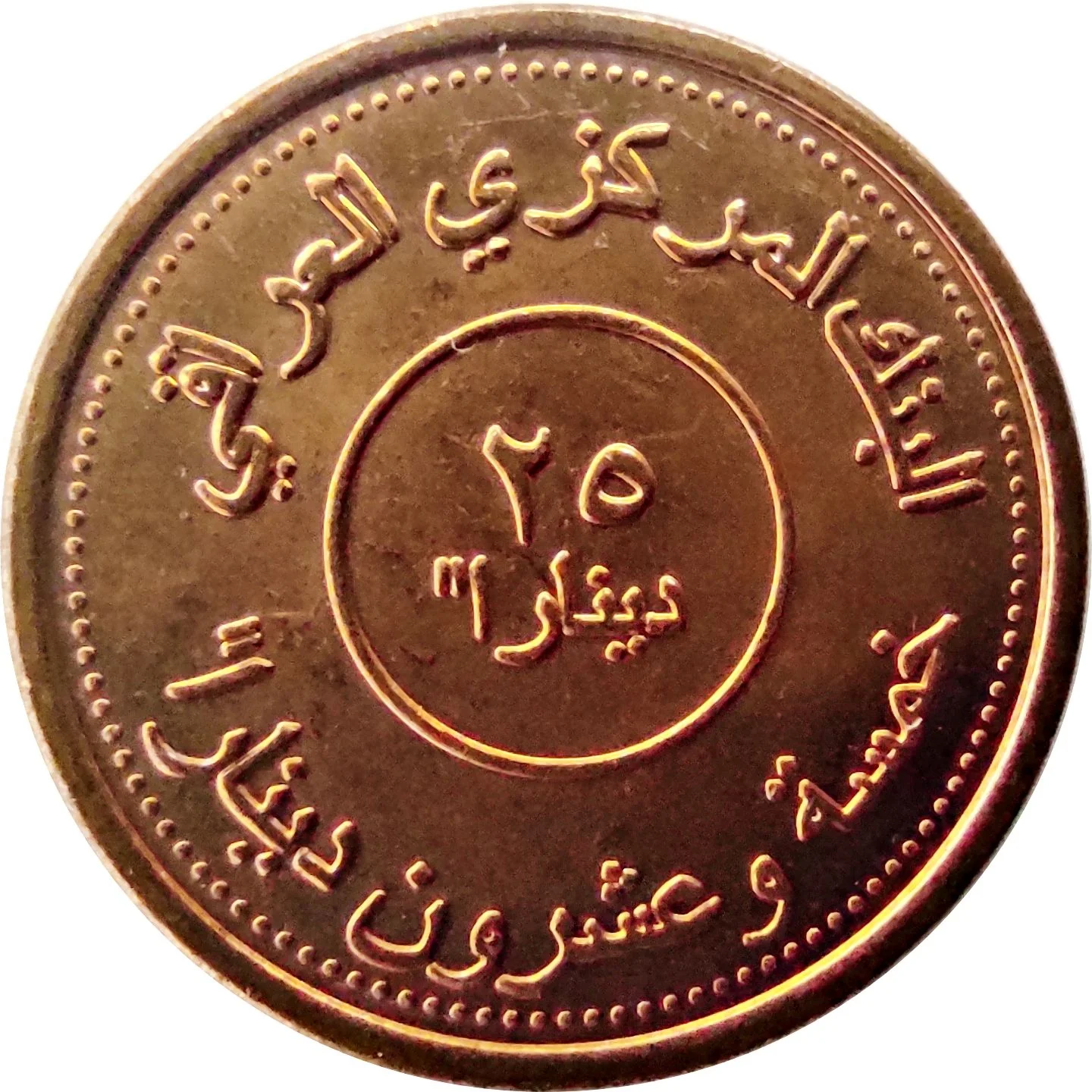
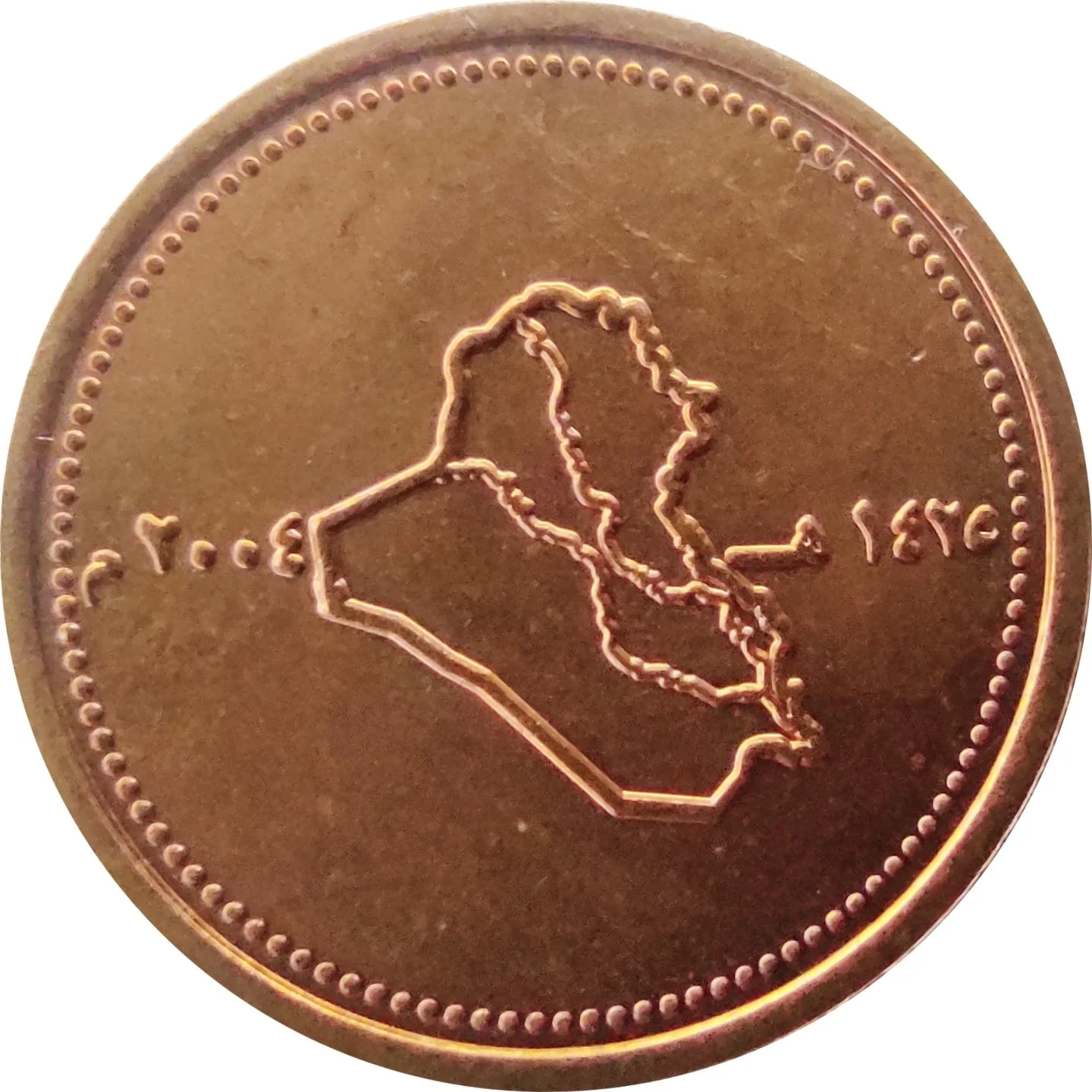
25 dinars – Iraq
Add to wishlist
Iraq
Context
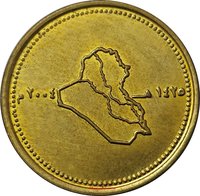
Year: 2004
Islamic (Hijri) Year:: 1425
Issuer: Iraq
Issuing organization: Central Bank of Iraq
Period:
(since 1958)
Currency:
(since 1931)
Material
References
KM: #
Numista: #4662
Value
Exchange value: 25 IQD
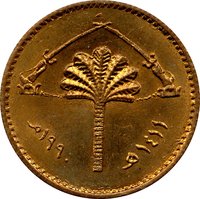
Obverse
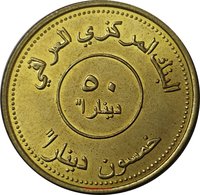
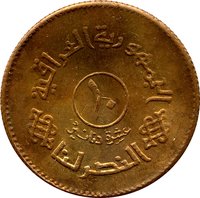
Reverse
Edge
Plain
Categories
| Map |
Mintings
| Year | Mint Mark | Mintage | Quality | Collection |
|---|---|---|---|---|
| 2004 | — | — |
Historical background
Following the 2003 invasion and the fall of Saddam Hussein's regime, Iraq in 2004 faced a critical and complex currency situation. The country was effectively operating with two competing currencies: the old "Swiss dinar" from the pre-1991 era, which remained strong and stable in the Kurdish north, and the post-1991 "Saddam dinar," which had been printed in massive quantities without backing, leading to severe inflation and a collapse in value. This dual-system created confusion, hindered national economic integration, and symbolized the fractured state of the nation.
To address this, the Coalition Provisional Authority (CPA), in coordination with the newly established Central Bank of Iraq, embarked on a ambitious and logistically perilous currency reform. The cornerstone was the introduction of a new, unified Iraqi dinar in October 2003, with a comprehensive exchange period running through January 2004. The new notes, printed abroad and shipped into the country under tight security, featured distinct designs without Saddam Hussein's image, aiming to foster a fresh national identity. The exchange rate was set at one new dinar for one old Swiss dinar and 150 new dinars for one old Saddam dinar.
By 2004, the immediate swap was largely complete, successfully establishing a single, unified currency for the entire country—a rare post-invasion achievement. However, the new dinar entered circulation in an economy shattered by war, sanctions, and looting, with a weak banking sector and rampant unemployment. Its value was initially managed by the CPA through a de facto dollar peg, but the fundamental challenges of rebuilding the oil-dependent economy, securing the physical currency shipments from attacks, and establishing monetary policy credibility for the nascent central bank defined the ongoing currency situation throughout the year.
To address this, the Coalition Provisional Authority (CPA), in coordination with the newly established Central Bank of Iraq, embarked on a ambitious and logistically perilous currency reform. The cornerstone was the introduction of a new, unified Iraqi dinar in October 2003, with a comprehensive exchange period running through January 2004. The new notes, printed abroad and shipped into the country under tight security, featured distinct designs without Saddam Hussein's image, aiming to foster a fresh national identity. The exchange rate was set at one new dinar for one old Swiss dinar and 150 new dinars for one old Saddam dinar.
By 2004, the immediate swap was largely complete, successfully establishing a single, unified currency for the entire country—a rare post-invasion achievement. However, the new dinar entered circulation in an economy shattered by war, sanctions, and looting, with a weak banking sector and rampant unemployment. Its value was initially managed by the CPA through a de facto dollar peg, but the fundamental challenges of rebuilding the oil-dependent economy, securing the physical currency shipments from attacks, and establishing monetary policy credibility for the nascent central bank defined the ongoing currency situation throughout the year.
🌱 Very Common