

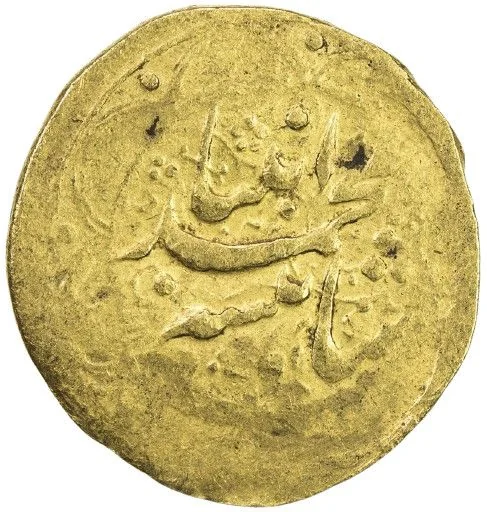
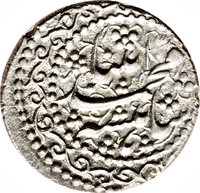
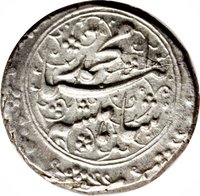
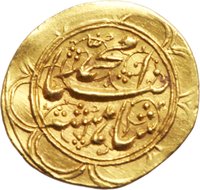
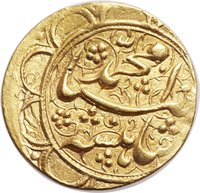
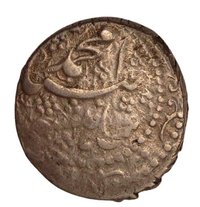
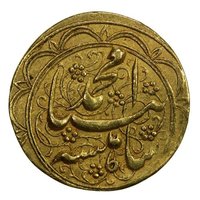
Obverse
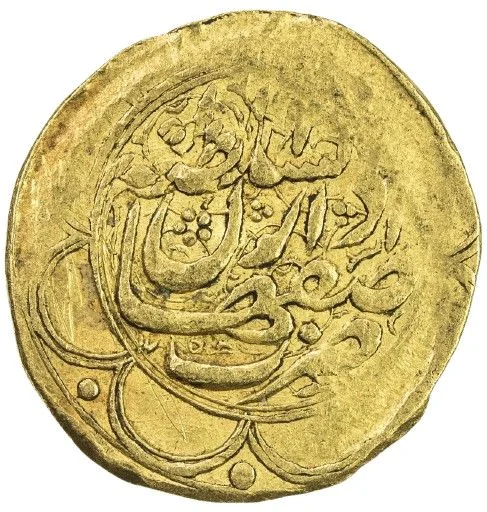
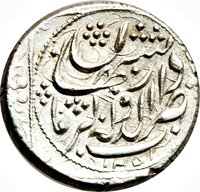
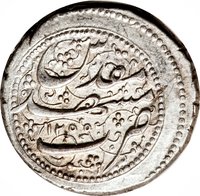
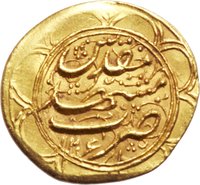
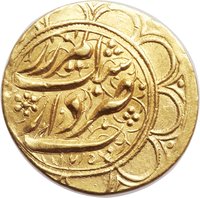
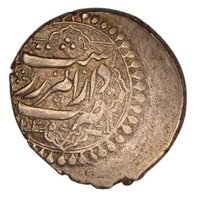
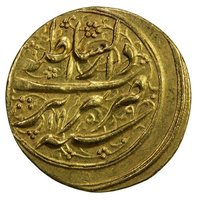
Reverse
Inscription:
ضرب در السلضنت اصفهان
۱۲٥۶
۱۲٥۶
Translation:
Struck in the Sultanate of Isfahan
1256
1256
Language: Persian
Edge
Plain
Mints
| Name | Mark |
|---|---|
| Isfahan | اصفهان |
Mintings
| Year | Mint Mark | Mintage | Quality | Collection |
|---|---|---|---|---|
| 1839 | — | — | ||
| 1840 | — | — |
Historical background
In 1839, Iran’s currency system was a complex and fragmented reflection of its weak central authority and economic stagnation under the Qajar dynasty. The monetary landscape was dominated by the silver qiran (also spelled kran), a thin, irregularly minted coin that served as the primary unit of account. However, the absence of a standardized, nationwide coinage meant that provincial mints produced coins of varying weight and purity, leading to chronic confusion in trade. Alongside these, older gold tomans (worth 10 qirans) and a plethora of copper shahis and dinars for small transactions circulated, creating a multi-tiered and inefficient system.
This disarray was exacerbated by a severe shortage of specie, particularly silver, which was being drained from the economy due to an entrenched negative trade balance. Iran’s main exports—like carpets and silk—were overshadowed by its imports of manufactured goods from Europe and Russia, as well as substantial imports of tea and sugar. The resulting outflow of silver bullion caused frequent debasements of the coinage, as the government sought to stretch its limited metal reserves, further eroding public trust in the currency and fueling inflation in local markets.
The situation was a direct symptom of Iran’s integration into the global economy on unfavorable terms. While European powers, notably Britain and Russia, were increasing their political and commercial influence in the region, their economic engagement did not translate into monetary stability for Iran. The state’s fiscal weakness, reliance on traditional agrarian revenue, and inability to control its borders or monetary policy left it with no effective tools to combat the currency crisis. Thus, in 1839, Iran’s monetary system was not only a domestic challenge but also a clear indicator of its declining economic sovereignty in the face of external pressures.
This disarray was exacerbated by a severe shortage of specie, particularly silver, which was being drained from the economy due to an entrenched negative trade balance. Iran’s main exports—like carpets and silk—were overshadowed by its imports of manufactured goods from Europe and Russia, as well as substantial imports of tea and sugar. The resulting outflow of silver bullion caused frequent debasements of the coinage, as the government sought to stretch its limited metal reserves, further eroding public trust in the currency and fueling inflation in local markets.
The situation was a direct symptom of Iran’s integration into the global economy on unfavorable terms. While European powers, notably Britain and Russia, were increasing their political and commercial influence in the region, their economic engagement did not translate into monetary stability for Iran. The state’s fiscal weakness, reliance on traditional agrarian revenue, and inability to control its borders or monetary policy left it with no effective tools to combat the currency crisis. Thus, in 1839, Iran’s monetary system was not only a domestic challenge but also a clear indicator of its declining economic sovereignty in the face of external pressures.
Series: 1839 Iran circulation coins

✨ Legendary