

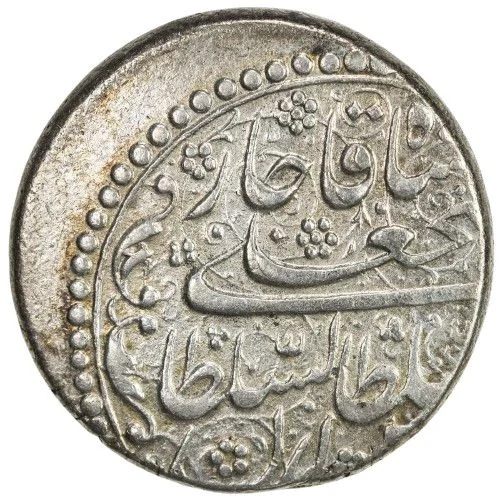
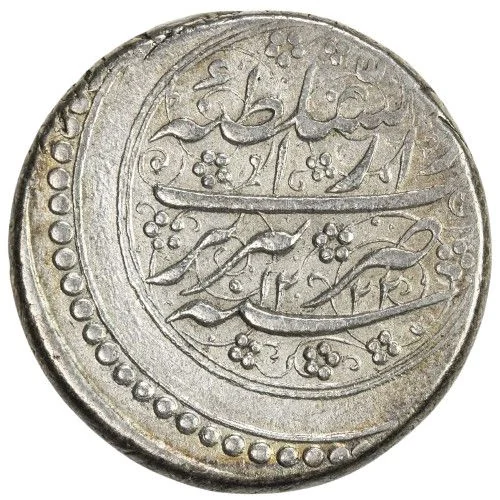
1 rial – Iran
Add to wishlist
Iran
Context
Material
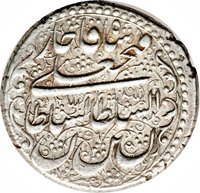
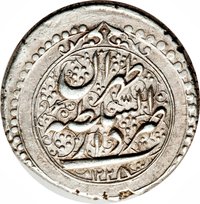
Diameter: 24.1 mm
Weight: 10.5 g
Silver Weight:: 10.50 g
Shape: Irregular round
Composition: Silver
Magnetic: No
Technique: Hammered
References
KM: #
Numista: #465804
Value
Bullion value: $26.80
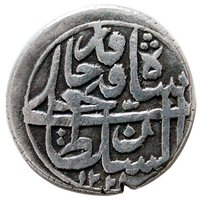
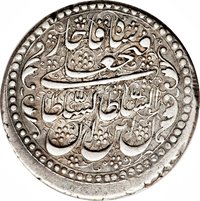
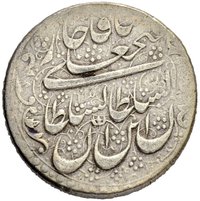
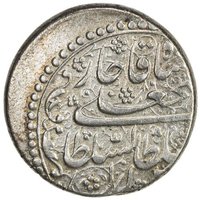
Obverse
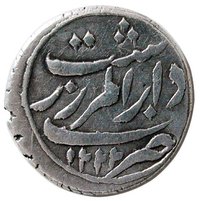
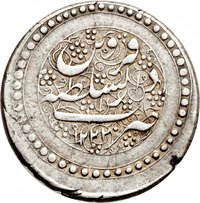
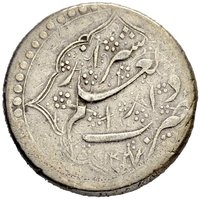
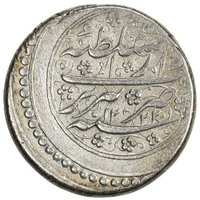
Reverse
Edge
Plain
Mints
| Name | Mark |
|---|---|
| Tebriz | تبریز |
Mintings
| Year | Mint Mark | Mintage | Quality | Collection |
|---|---|---|---|---|
| 1807 | — | — | ||
| 1808 | — | — |
Historical background
In 1807, Iran's currency system was in a state of profound disarray, a direct consequence of the political and military instability that had plagued the Qajar dynasty since its founding. The country was embroiled in the second phase of the Russo-Persian Wars (1804-1813), a conflict that was draining the royal treasury and causing severe economic strain. Fath-Ali Shah Qajar, facing immense war expenses and the costs of maintaining a vast court, resorted to the debasement of coinage—reducing the precious metal content in coins while maintaining their face value—as a primary method of raising short-term revenue. This practice eroded public trust in the currency and fueled inflation, particularly in urban markets.
The monetary landscape itself was complex and fragmented. The primary unit was the silver qiran (later rial), but coins were minted in various denominations and purities across different provincial mints, leading to a lack of standardization. Alongside official coinage, a multitude of older Safavid-era and even regional coins remained in circulation, their values subject to local negotiation and the fluctuating price of silver. Furthermore, foreign currencies, particularly the Russian ruble and British Indian rupee, circulated in border regions and trade hubs, often holding more stable value than the debased domestic coinage, which complicated both domestic trade and state finances.
This chaotic currency situation was symptomatic of a deeper structural weakness: the absence of a central bank or a unified fiscal policy. Revenue collection was often farmed out, and the state's financial apparatus was rudimentary. The debasement of 1807 and the surrounding years was not an isolated event but a recurring fiscal strategy that would continue throughout the century, undermining economic development. Thus, the currency crisis of the era reflected a vulnerable empire struggling to fund its military ambitions and administrative costs through inflationary means, setting a precedent for persistent monetary instability in 19th-century Iran.
The monetary landscape itself was complex and fragmented. The primary unit was the silver qiran (later rial), but coins were minted in various denominations and purities across different provincial mints, leading to a lack of standardization. Alongside official coinage, a multitude of older Safavid-era and even regional coins remained in circulation, their values subject to local negotiation and the fluctuating price of silver. Furthermore, foreign currencies, particularly the Russian ruble and British Indian rupee, circulated in border regions and trade hubs, often holding more stable value than the debased domestic coinage, which complicated both domestic trade and state finances.
This chaotic currency situation was symptomatic of a deeper structural weakness: the absence of a central bank or a unified fiscal policy. Revenue collection was often farmed out, and the state's financial apparatus was rudimentary. The debasement of 1807 and the surrounding years was not an isolated event but a recurring fiscal strategy that would continue throughout the century, undermining economic development. Thus, the currency crisis of the era reflected a vulnerable empire struggling to fund its military ambitions and administrative costs through inflationary means, setting a precedent for persistent monetary instability in 19th-century Iran.
Series: 1807 Iran circulation coins
✨ Legendary