

1 guilder – Curaçao
Add to wishlist
Netherlands
Context
Year: 2025
Country: Netherlands
Issuer: Curaçao
Issuing organization: Central Bank of Curaçao and Sint Maarten
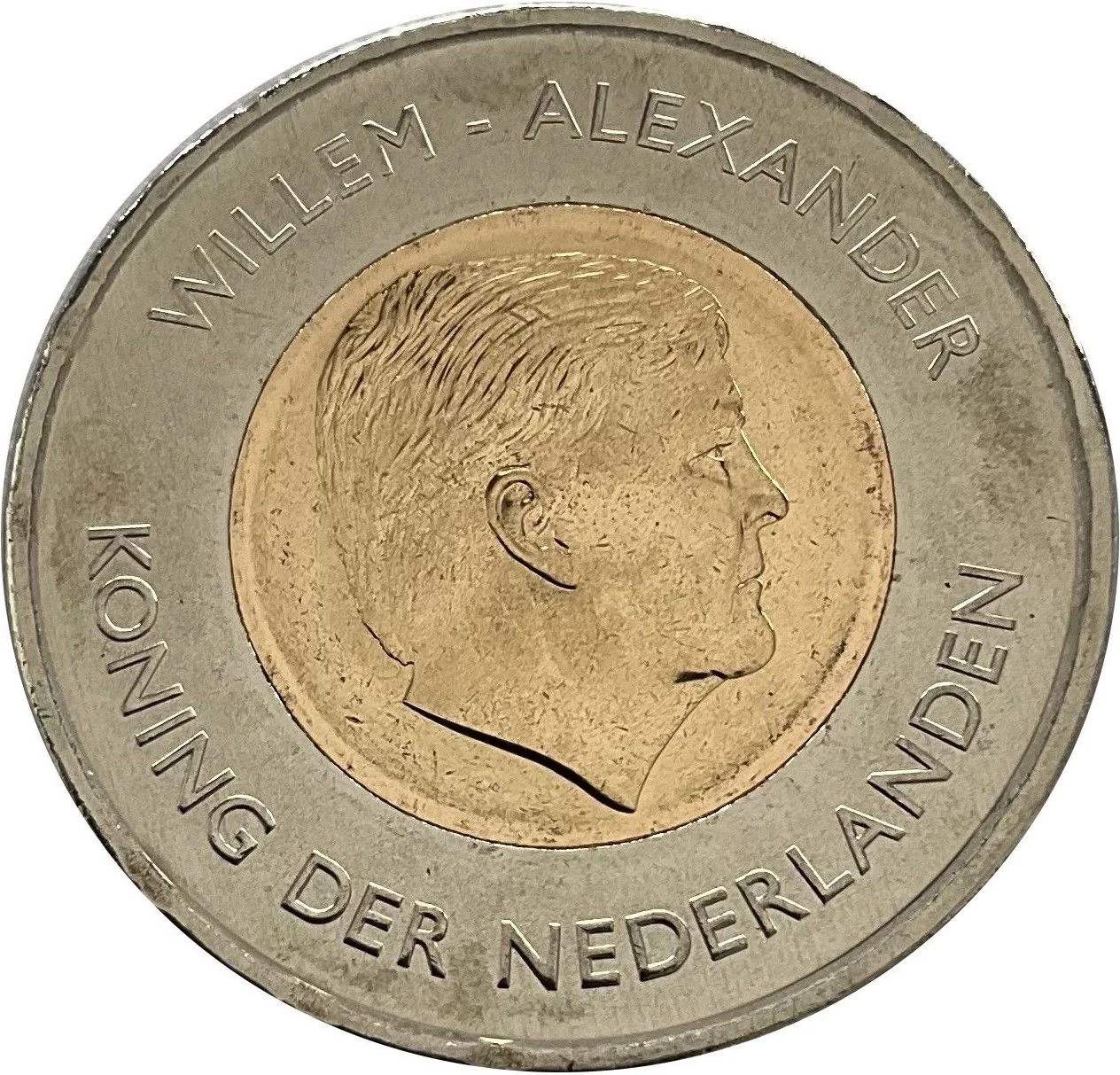
Ruler: Willem-Alexander
Currency:
Material
Diameter: 28 mm
Weight: 7.2 g
Thickness: 1.7 mm
Shape: Round
Techniques: Micro inscriptions, Milled
Alignment: Coin alignment
flip
References
Numista: #462590
Obverse
Description:
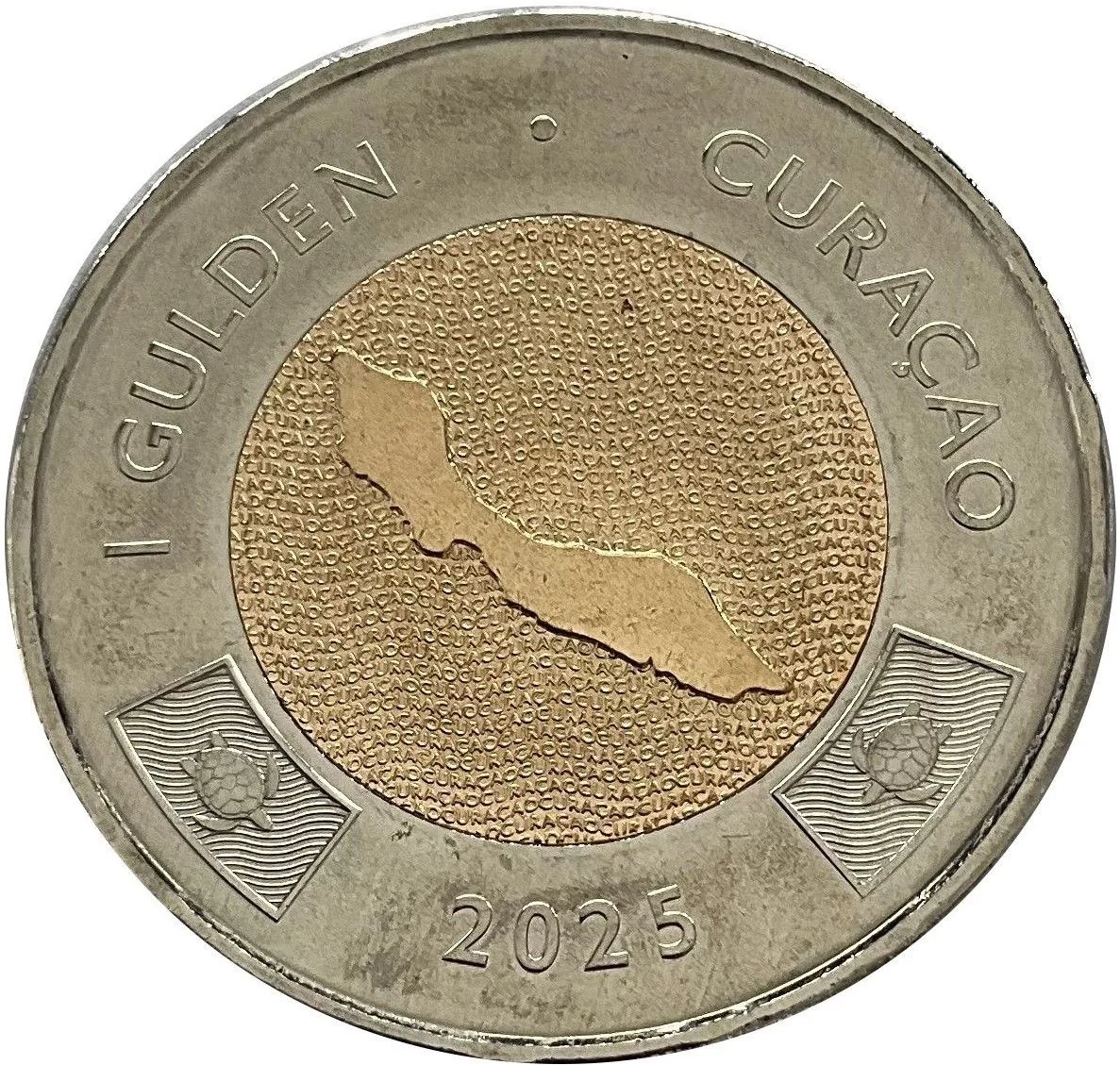
Map of Curaçao, encircled by Caribbean Sea waves formed from microlettering, with two Green Sea Turtles below.
Inscription:
1 GULDEN CURAÇAO
2025
2025
Translation:
1 Guilder Curaçao
2025
2025
Script: Latin
Languages: Papiamento, Dutch
Reverse
Edge
Categories
| Map |
| Animal> Reptile |
| Animal> Turtle or tortoise |
Mints
| Name | Mark |
|---|---|
| Royal Canadian Mint of Ottawa | — |
Mintings
| Year | Mint Mark | Mintage | Quality | Collection |
|---|---|---|---|---|
| 2025 | — | — |
Historical background
As of 2025, Curaçao remains in a protracted period of monetary transition, still utilizing the Netherlands Antillean guilder (ANG) as its official currency. This situation is a legacy of the dissolution of the Netherlands Antilles in 2010, which left Curaçao and Sint Maarten sharing the common currency managed by the Centrale Bank van Curaçao en Sint Maarten (CBCS). The long-stated goal has been to introduce a new, independent currency, the Caribbean guilder, but its implementation has faced repeated delays due to technical complexities, economic instability, and the need for seamless alignment with fiscal and monetary policy.
The primary driver for the proposed change is political and economic sovereignty, aiming to sever the final formal monetary tie with Sint Maarten and provide the CBCS with tools more directly responsive to Curaçao's specific economic conditions. However, the transition is fraught with challenges. The economy, heavily reliant on tourism and international financial services, requires absolute stability, and any misstep in introducing a new currency risks inflation and loss of public confidence. Furthermore, the peg to the US dollar (1.79 ANG:1 USD), a cornerstone of financial stability for decades, must be meticulously maintained for the new currency to ensure no disruption to trade, investment, and the cost of living.
Consequently, 2025 finds Curaçao in a holding pattern. Public communication from the CBCS and the government continues to reference the Caribbean guilder as a future objective, but without a definitive launch date. The focus remains on strengthening the economic fundamentals and finalizing the digital and physical infrastructure required for the switch. For residents and businesses, the practical reality is the continued use of the Antillean guilder, with the promise of change lingering on the horizon but subordinate to the paramount need for monetary stability.
The primary driver for the proposed change is political and economic sovereignty, aiming to sever the final formal monetary tie with Sint Maarten and provide the CBCS with tools more directly responsive to Curaçao's specific economic conditions. However, the transition is fraught with challenges. The economy, heavily reliant on tourism and international financial services, requires absolute stability, and any misstep in introducing a new currency risks inflation and loss of public confidence. Furthermore, the peg to the US dollar (1.79 ANG:1 USD), a cornerstone of financial stability for decades, must be meticulously maintained for the new currency to ensure no disruption to trade, investment, and the cost of living.
Consequently, 2025 finds Curaçao in a holding pattern. Public communication from the CBCS and the government continues to reference the Caribbean guilder as a future objective, but without a definitive launch date. The focus remains on strengthening the economic fundamentals and finalizing the digital and physical infrastructure required for the switch. For residents and businesses, the practical reality is the continued use of the Antillean guilder, with the promise of change lingering on the horizon but subordinate to the paramount need for monetary stability.
Series: 2025 Curaçao circulation coins
🌱 Fairly Common