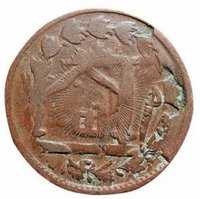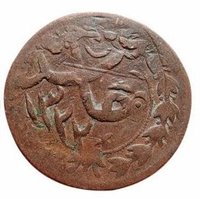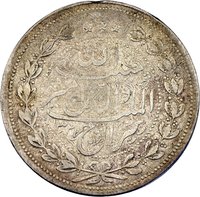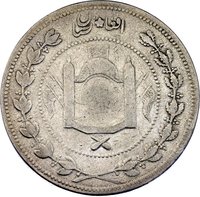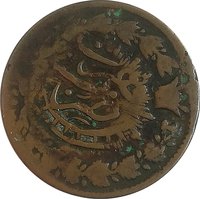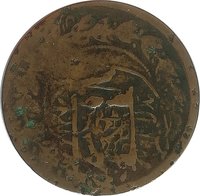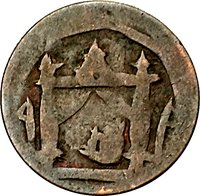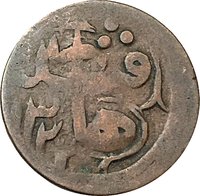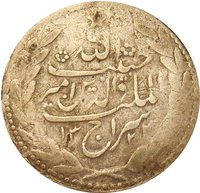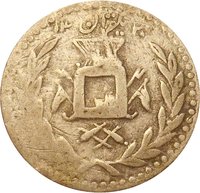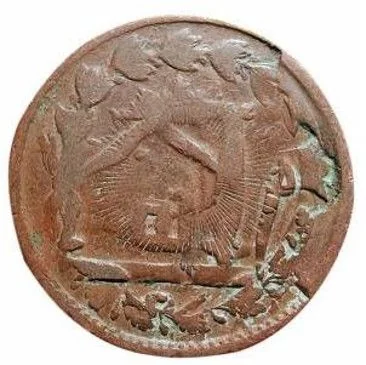
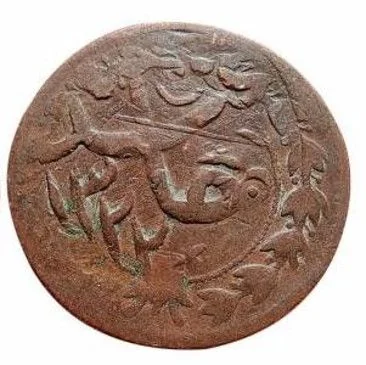
In 1904, the currency situation in the Emirate of Afghanistan under Emir Habibullah Khan was characterized by a complex and fragmented monetary system, a legacy of his father Abdur Rahman's centralization efforts. The primary unit was the silver rupee, but its value and physical composition were not uniform across the realm. The Kabuli rupee, minted in the capital, circulated alongside older Kandahari rupees and various regional and foreign coins, including British Indian rupees, Persian
krans, and Russian
tillas. This multiplicity created confusion in trade and taxation, as exchange rates between these coins fluctuated.
Emir Habibullah inherited a state treasury that was financially strained, and the currency disorder hampered both internal administration and external commerce. While Abdur Rahman had begun standardizing coinage to assert state authority, the process was incomplete. The coins in circulation often varied in weight and silver purity, leading to distrust and the practice of weighing coins rather than counting them in significant transactions. Furthermore, the economy remained largely reliant on barter, especially in rural areas, limiting the government's ability to collect taxes efficiently in sound money.
Recognizing these challenges, 1904 fell within a period of gradual monetary reform for Habibullah. He continued his father's policy of consolidating minting operations, primarily at the Kabul mint, to improve standardization. His reign would later see the introduction of a more uniform coinage and the issuance of the first paper currency (
Aman-i-Afghani) in 1919. Thus, the situation in 1904 represents a transitional phase where the central authority was actively working to impose a unified monetary system over a historically decentralized and diverse economic landscape, a crucial step in building a modern Afghan state.